DroneShield's Order Book Is Full — the Argument Is About What Comes Next
Published on 10/23/2026 at 20:21 | Editorial boerse-global.de
DroneShield finds itself caught between two very different readings of the same story. One measures what the company has already locked in. The other asks how fast fresh business is arriving — and whether costs are climbing faster than sales. For anyone weighing the stock, that gap matters more than any single day's move.
The company said roughly a week ago that committed revenue for the current fiscal year stands at A$261 million, a figure that lands inside its own guidance range of A$250 million to A$270 million. That is a solid number on its face. It describes the revenue base already secured, not the pace of new signings. A figure within the forecast band does not, by itself, answer questions about how quickly the business is expanding beyond what is already booked.
Jefferies Presses on the Underlying Run Rate
Those questions came from Jefferies, which — according to media reports — downgraded the stock to "Underperform" around the same time. The broker's reasoning did not hinge on whether DroneShield would hit its revenue forecast. Strip out orders won earlier, and Jefferies saw the underlying sales momentum for fiscal 2026 as flat. On top of that came concern that expenses were growing faster than revenue. That was an analyst's judgment, not a statement DroneShield made about its own outlook.
The distinction is easy to blur. A filled order book and convincing momentum in new business are not the same claim, and treating them as interchangeable can lead investors astray. Hitting the guidance range does not automatically dispel doubts about the speed of new sales.
Should investors sell immediately? Or is it worth buying DroneShield?
A Software Release, and What It Can and Cannot Prove
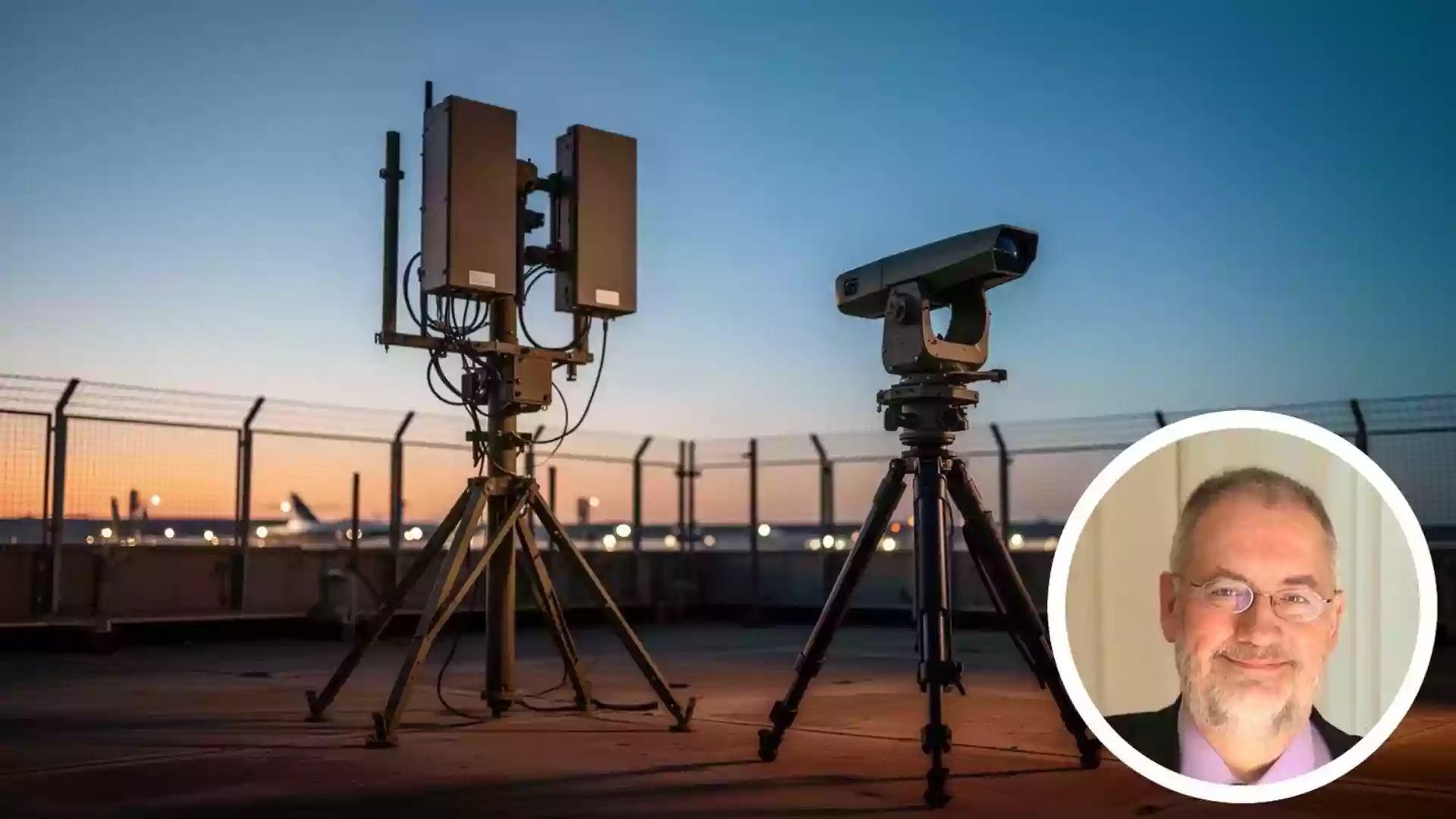
DroneShield addressed a separate part of the story with a software release announced about a week ago. Per the company, the update brings improvements in detecting, identifying, tracking and defeating drones. Classification accuracy for thermal cameras improved by 44%. The DroneSentry-C2 version was slated for availability on 3 November 2026. The release also covers alerts for unknown signals, better optical classification and coordinated electronic jamming.
Technical progress, though, does not translate one-for-one into revenue. What counts for the economic picture is whether product advances help close further deals — and how spending moves alongside them. Product performance and sales performance deserve to be judged on separate ledgers.
Short Interest and a Nine-Session Losing Streak
Market positioning tells its own story. Bets on falling prices have moved to the fore, and the stock has now fallen for nine consecutive trading sessions. Today's move of -2.6% fits that weak backdrop, though it cannot be pinned on any single news item. A high short-interest ratio sitting alongside a prolonged stretch of losses shows skepticism is running high — but it is no proof that the short sellers' expectations will be borne out.
Two layers need separating here. Positioning reflects sentiment in the market. Whether that sentiment is justified on fundamentals depends on how the business develops. The short-interest ratio alone does not settle that question, nor does it explain today's price action.
Where the Two Sides Meet
What the skeptics are focused on is not the size of the existing commitments but the pace of additional sales. DroneShield's A$261 million in committed revenue for fiscal 2026 provides a counterweight to the bearish positioning, yet it does not directly rebut Jefferies' point, which explicitly targeted growth excluding business already booked. Investors should keep those two reference points apart.
The announced software features are an operational step forward, not evidence of extra revenue. That is precisely where the central question behind the heavy skepticism gets decided: can DroneShield supplement its existing commitments with fresh sales momentum? The reported short-interest ratio documents the doubt — it does not confirm it. Today's -2.0% decline changes none of this. Against the committed revenue stands a specific critique of growth quality, so the size of the order book is not the only thing that counts — the relationship between new business and cost development matters just as much.
Ad
DroneShield Stock: New Analysis - 23 October
Fresh DroneShield information released. What's the impact for investors? Our latest independent report examines recent figures and market trends.