Global Industrial Accidents Highlight Persistent Safety Failures
Published on 07/29/2026 at 18:37 | Redaktion boerse-global.de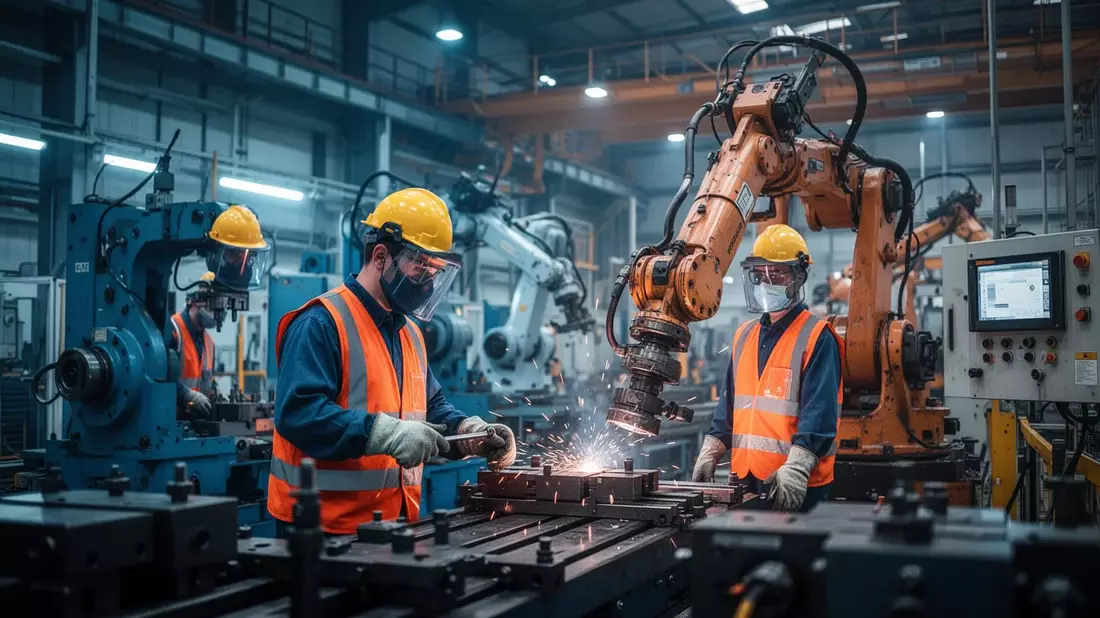
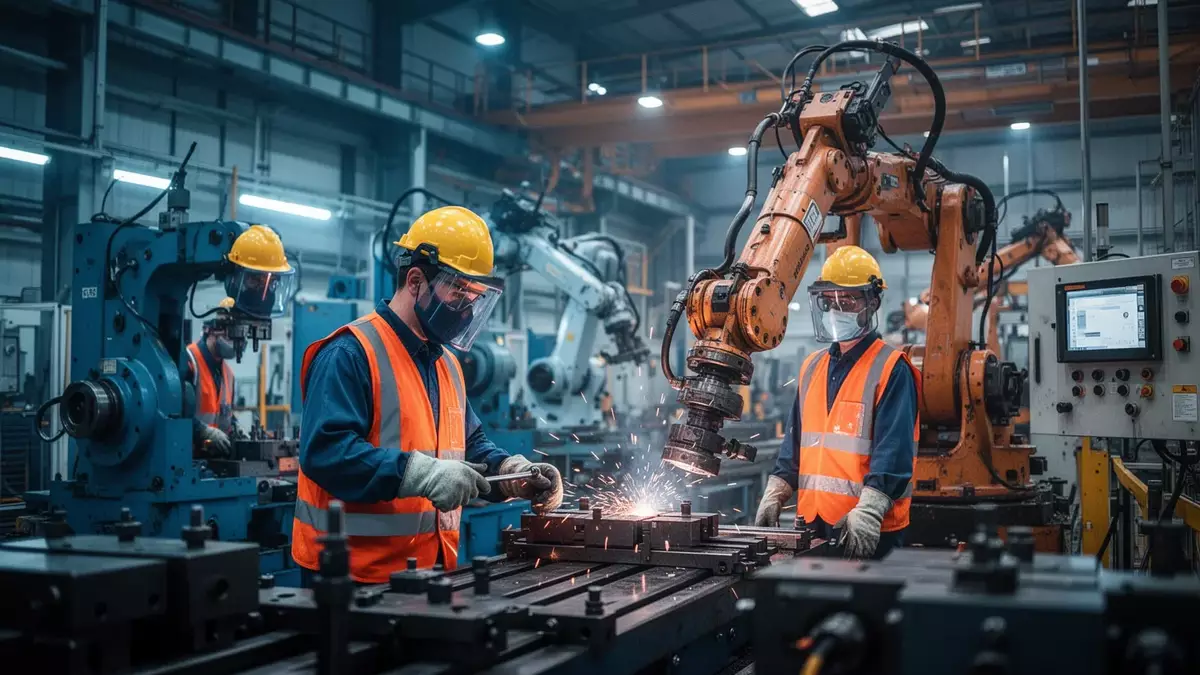
A string of fatal workplace incidents in the United States and South Korea during late July 2026 has intensified concerns about the effectiveness of safety training and hazard controls in high-risk industries. The deaths, involving heavy machinery and construction work, come as international data continues to show a stubbornly high toll from work-related injuries and diseases worldwide.
US Manufacturing Fatalities Under Investigation
On the evening of 27 July, 43-year-old Fan Weifeng, a Chinese national working as a contract employee for a Texas-based valve manufacturer, died from crushing injuries at the Grammer Inc. automotive interior components plant in Shannon, Mississippi. Local coroners confirmed that the US Occupational Safety and Health Administration (OSHA) has been notified and is investigating the incident.
Just a week earlier, on 20 July, 56-year-old Andrew J. Bengel was killed at the Alton Steel Inc. facility in Illinois. According to the Madison County Coroner, a lifting hook fractured during operations, causing a heavy chain to strike the worker. Both local police and OSHA have launched inquiries into the equipment failure.
In Michigan, state officials reported on 28 July that 21 workplace fatalities had occurred during the first seven months of 2026. The Michigan Occupational Safety and Health Administration (MIOSHA) noted a particularly concerning period in July, which included three trench collapses in just two days. Specific deaths included a 23-year-old worker killed in a trench collapse on 1 July and a 38-year-old auto technician who died on 7 July. MIOSHA has urged employers to prioritise hazard assessments and grant workers the authority to stop work when risks are identified.
Southeast Asia: Rising Numbers and Regulatory Responses
In Indonesia, data from the social security agency BPJS Ketenagakerjaan recorded approximately 319,000 workplace accident claims in 2025, with more than half involving workers under 35. The reports show that 9,834 workers died that year — an average of 26 fatalities per day. In response, the Indonesian Minister of Manpower issued Regulation No. 11/2026 to strengthen supervision and safety standards across the workforce.
Singapore’s Ministry of Manpower reported a decline in workplace fatalities, with 36 deaths in 2025 compared with 43 the previous year. While construction-sector deaths fell to 13, fatalities in manufacturing doubled to four. Vehicular incidents remained the leading cause of death, accounting for 15 fatalities. The country also saw a rise in occupational diseases, which reached 1,028 cases in 2025.
A recent coroner’s ruling in Singapore highlighted the long-term consequences of inadequate training. The inquest addressed a 2020 fatality at a facility in Tuas, where a worker died while operating a boom lift. Investigators found that the operator had received no formal training and was running the machinery at maximum speed without a banksman present.
The Global Burden of Work-Related Disease
Beyond immediate traumatic injuries, international health bodies continue to stress the long-term impact of occupational illness. Joint estimates from the World Health Organisation (WHO) and the International Labour Organization (ILO) suggest that 1.9 million work-related deaths occurred globally in 2016, with approximately 81% attributed to non-communicable diseases.
Long working hours — defined as 55 hours or more per week — were identified as the single largest risk factor, contributing to an estimated 745,000 deaths. Chronic obstructive pulmonary disease (COPD) was the leading cause of work-related disease deaths, accounting for 450,000 fatalities.
Rethinking Safety Metrics
As safety agencies review these trends, industry leaders are questioning the effectiveness of traditional monitoring tools. According to the 2026 Risk Recalibrated Report, more than 75% of environmental, health, and safety leaders believe that current metrics do not accurately reflect the factors driving serious harm. There is a growing call among professionals to move away from using safety frameworks purely as compliance scorecards and instead deploy them as tools for organisational learning.
Disclaimer regarding our articles: No investment advice, no buy or sell recommendation. Information on prices, companies, and markets is provided without guarantee; changes are possible at any time. Stock market transactions can lead to substantial losses. Our articles are created and reviewed in whole or in part automatically with the support of AI.