Gold's 3.1% Friday Retreat: Why Goldman Still Sees a Multi-Year Recovery
Published on 11/22/2026 at 09:51 | Editorial boerse-global.de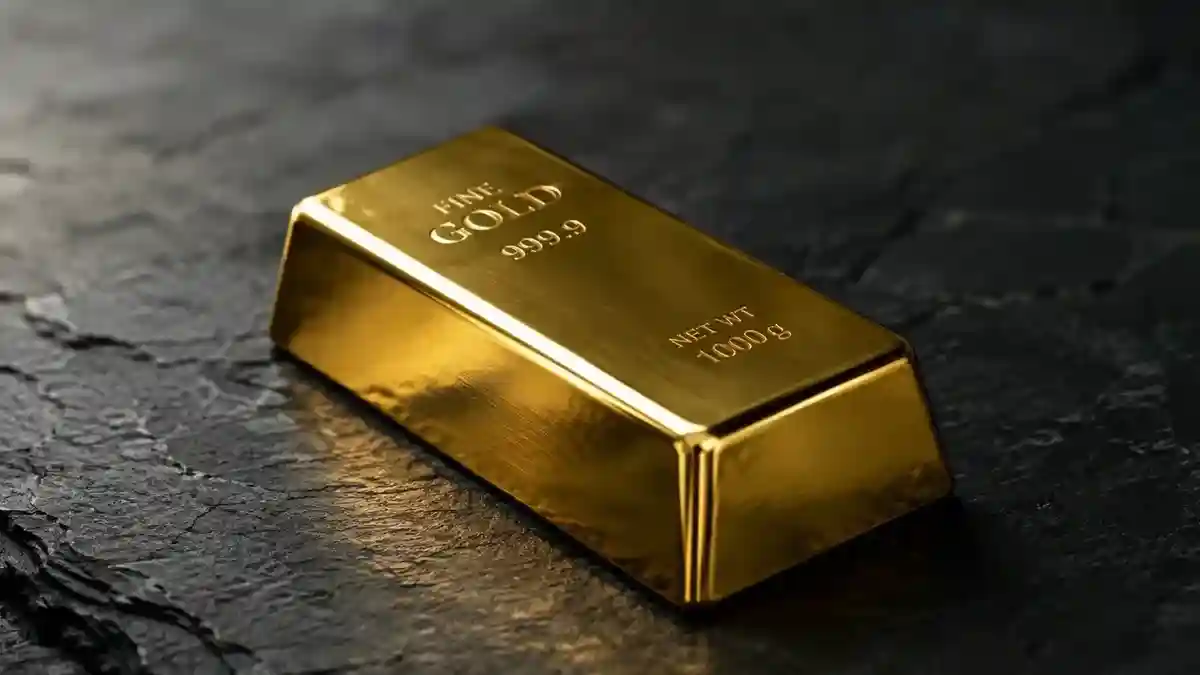
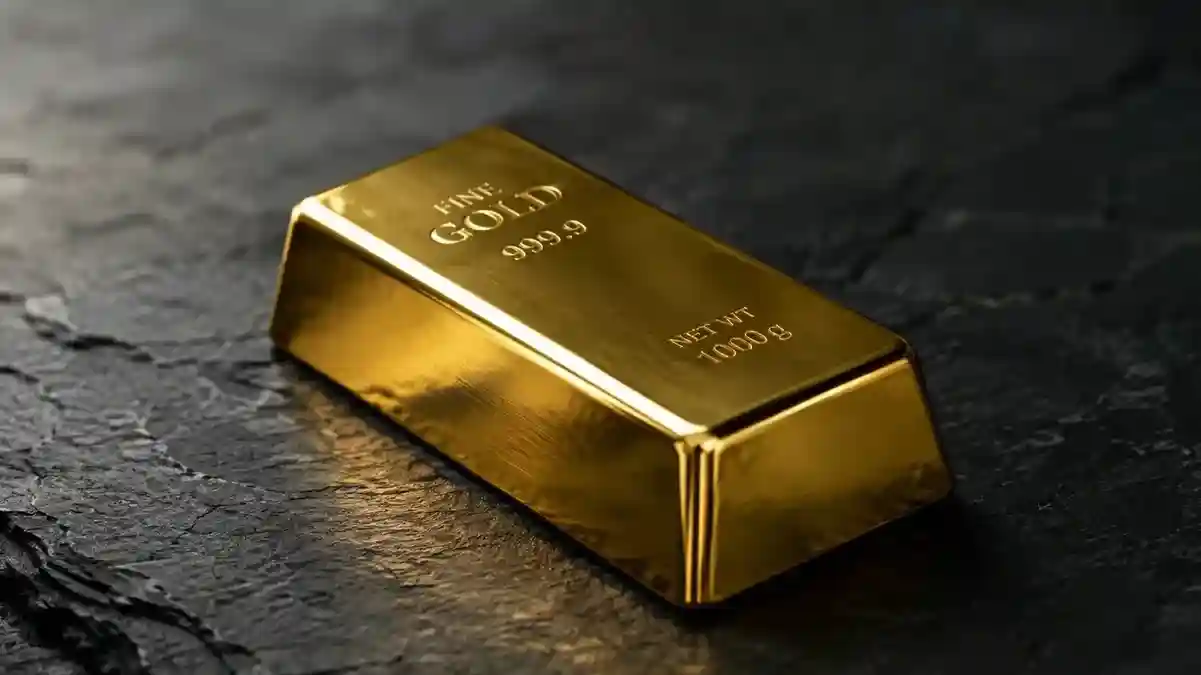
Gold's sharpest one-day decline in months has done little to shake Goldman Sachs' longer-term conviction. Bullion dropped 3.1% on Friday to settle at $3,523.33 an ounce — its weakest level since September 2025 — yet the US investment bank is betting on a recovery over the coming years, anchored by central-bank accumulation and an eventual pivot in US monetary policy.
The two forces behind Friday's slide are distinct, though they fed on each other. A selloff in AI-related equities pushed investors to liquidate gold positions to cover losses elsewhere, according to Reuters, while rising US Treasury yields added a second layer of pressure. Higher bond returns make holding bullion less appealing, since the metal generates no ongoing interest — unlike fixed-income securities.
Rate Expectations and a Firmer Dollar
Behind the climb in US yields sat expectations of a tighter Federal Reserve stance. Stronger-than-expected US inflation data and restrictive comments from Fed officials had already bolstered the dollar, compounding gold's difficulties. Minutes from the central bank's latest meeting showed nearly all participants anticipated a quarter-point hike in December, with two members open to a half-point move.
The next test arrives on November 25, when the October US PCE price index is published. For gold in the near term, the key question is whether the inflation reading reinforces the case for a December rate increase. Goldman's forecast, by contrast, rests on the assumption that US policy will only turn in the metal's favour at a later stage.
Should investors sell immediately? Or is it worth buying Gold?
Official-Sector Buying Remains the Backbone
Central banks continue to provide the structural support underpinning Goldman's thesis. The World Gold Council reported third-quarter 2026 official purchases of 321 tonnes, bringing year-to-date buying to 675 tonnes — a 6% increase over the same period a year earlier. The industry body expects central banks to remain significant buyers.
That support does not, however, insulate bullion from rate expectations. The council itself cautioned that higher policy rates, elevated bond yields and a stronger dollar could all weigh on demand.
Asia's Mixed Picture
Physical demand in China tells a two-sided story. Official reserves rose to 2,435 tonnes in October, the 24th consecutive monthly increase. Wholesale activity was less encouraging: gold withdrawals from the Shanghai Gold Exchange edged up 2% from September to 94 tonnes, but wholesale demand stood 24% below the prior-year month, dragged down chiefly by weaker jewellery purchases.
Gold at a turning point? This analysis reveals what investors need to know now.
India followed a similar pattern. The festive season lifted demand across the board, with estimated gross imports climbing to roughly 70 tonnes in October from September, though they remained below year-earlier levels. In both markets, the month-on-month pickup did not translate into stronger year-on-year demand.
Attention now shifts to the Federal Reserve's meeting on December 8 and 9. Its decision carries particular weight for gold, given that both US yields and the dollar were pressing on the price at the end of last week.
Ad
Gold Stock: New Analysis - 22 November
Fresh Gold information released. What's the impact for investors? Our latest independent report examines recent figures and market trends.