Gold's Official-Sector Anchor Holds While Forecasters Rethink the Ceiling
Published on 11/06/2026 at 13:01 | Editorial boerse-global.de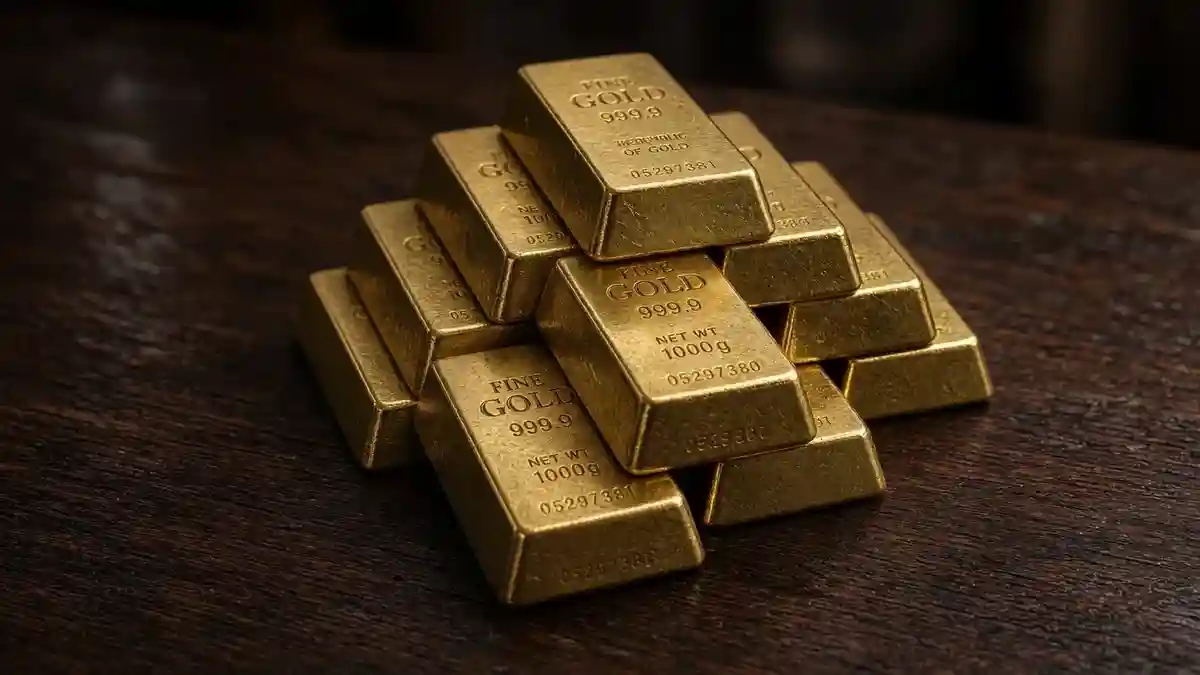
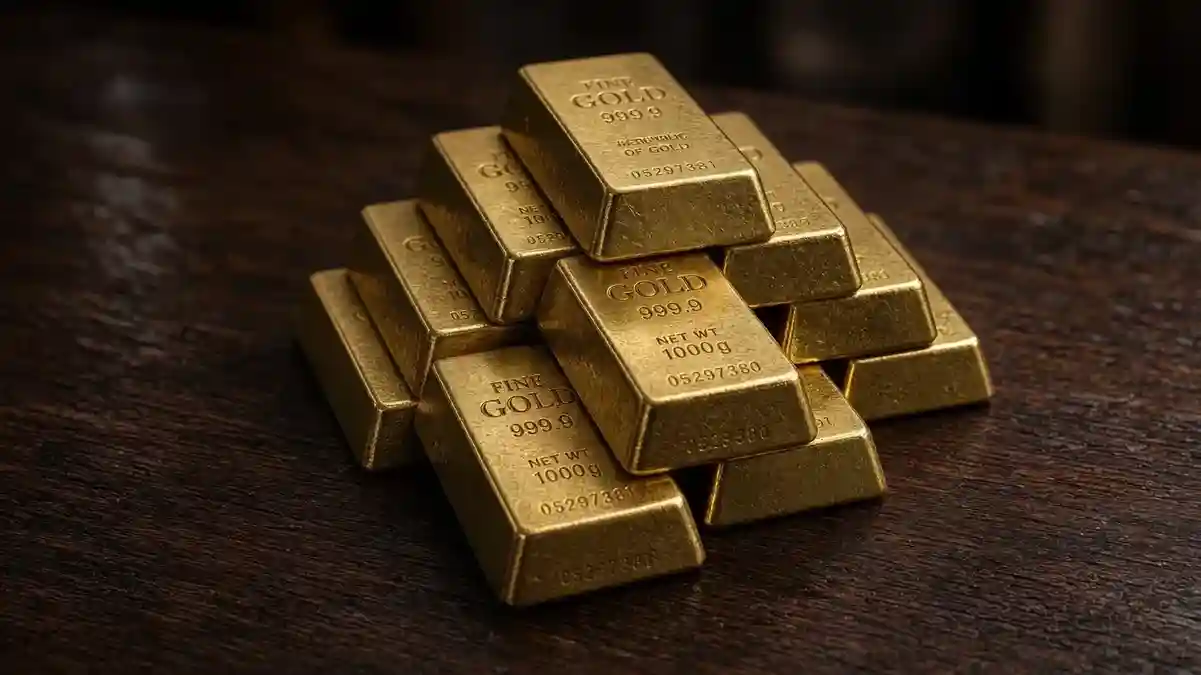
Gold is leaning on an institutional crutch that keeps getting sturdier even as the professionals marking its price keep lowering the bar. Central banks and other official institutions bought 321 tonnes net in the third quarter of 2026, the World Gold Council reported on Tuesday — a 42% jump on the same period a year earlier. That official bid is the backbone of the long-run case. The near-term picture is far less settled.
Goldman Sachs trimmed both of its targets, citing a more restrictive stance from the Federal Reserve. The bank now sees bullion at $4,150 an ounce by the end of 2026, down from $4,650, and at $4,800 by the end of 2027, cut from $5,400. Both figures still imply gains from here — the revision is a matter of degree, not direction. What the lower numbers reveal is how heavily Goldman is weighting the Fed's tighter posture against the demand it expects from reserve managers.
The demand data itself is a study in contrasts. Physically backed gold ETFs pulled in 211 tonnes, offering support alongside official buying. Yet total gold demand slipped 1% year on year to 1,369 tonnes, dragged down by a retreat in jewellery consumption. Institutional accumulation is propping up one side of the market while the consumer base quietly shrinks on the other.
Spot gold last changed hands at $4,064.10 a fine ounce, a level that captures the renewed pressure on the metal. The World Gold Council described the outlook for the remainder of the year as balanced on Tuesday: rising interest rates and uneven inflation expectations could weigh, while geopolitical risk and financial-market stress could burnish gold's appeal as a stability asset.
Should investors sell immediately? Or is it worth buying Gold?
A Seven-Day Surge With a Political Spark
The rebound has been sharp. Gold settled at $4,088.36 an ounce on the prior day, good for a 5.5% gain over seven sessions — a forceful countermove following October's selloff. The trigger came from Washington, where the Democrats' midterm victory had investors pricing in tighter constraints on Trump's spending and borrowing plans. The dollar and Treasury yields both buckled, and softer oil prices fed hopes that inflation pressure would ease and rate hikes would come less aggressively.
Equity-market turmoil cuts both ways for bullion. Money seeking safety in government bonds pushes yields down, which helps gold. But when investors need to raise cash, they sell metals too — and worries over stricter AI regulation and a slower buildout of data centres have added to that selling pressure. How far the political shift actually reshapes fiscal policy depends on negotiations between Congress and the Trump administration, so the tailwind for gold lasts mainly as long as the dollar and yields stay under the cosh.
BCA Sees a Sideways Detour First
Roukaya Ibrahim, strategist at BCA, reckons gold looks technically oversold after October's rout and flags $4,000 an ounce as critical support. She is in no rush to chase the rally. Inflation and monetary policy could still blow against the market, and she expects a relatively firm dollar through the end of 2026, with a friendlier macro backdrop possible in early 2027 should the dollar and inflation both cool. Central-bank purchases she treats as a prop; private investment demand, in her view, could become the bigger catalyst.
Her team also warns of near-term selling from margin calls and the unwinding of leveraged positions if equity markets keep sliding hard. Long-term private investors and central banks, she argues, remain the important anchors.
Gold at a turning point? This analysis reveals what investors need to know now.
Friday's Payrolls Print Is the Next Hurdle
The US jobs report due today is the next real test for rate expectations. The Dow Jones consensus cited by CNBC points to 59,000 nonfarm payroll additions for October, up from 29,000 in September, with the unemployment rate seen at 4.2%. Softer hiring and wage figures could dampen expectations for further tightening and extend gold's recovery. Robust numbers would do the opposite, lifting rate-hike bets and the dollar.
That leaves investors weighing two forces pulling in opposite directions: a hawkish Fed on one side, an official-sector bid on the other. Whether central-bank buying can keep offsetting the drag from tighter policy — and whether the relief in inflation, yields and the currency holds — is the question that will decide how far this rebound runs.
Ad
Gold Stock: New Analysis - 6 November
Fresh Gold information released. What's the impact for investors? Our latest independent report examines recent figures and market trends.