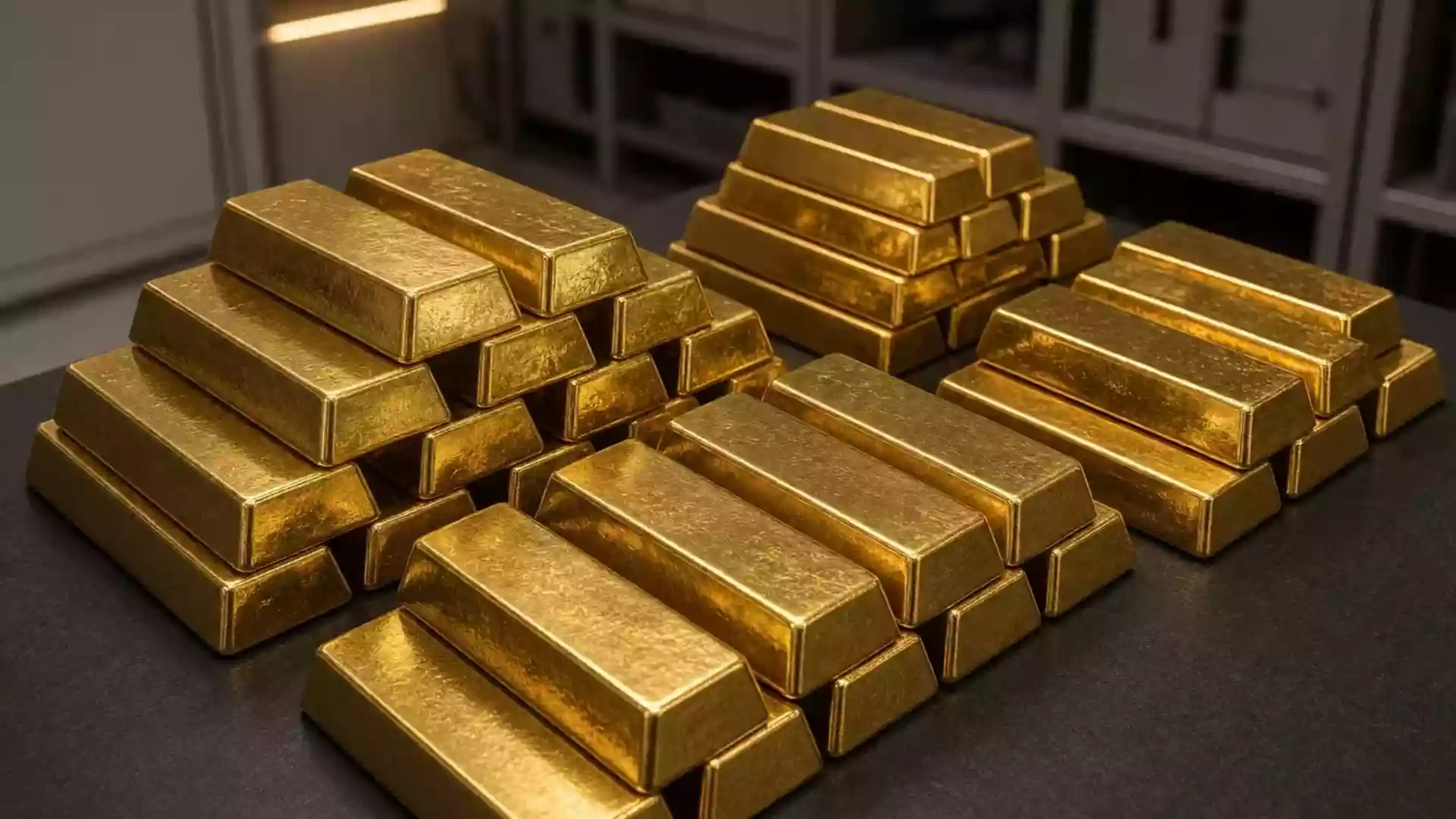
Gold's Physical Buyers Keep Buying. The Price Doesn't Care.
Published on 10/25/2026 at 18:10 | Editorial boerse-global.de
Gold slipped below the $4,000 line on Friday, and the reason has almost nothing to do with whether people want to own it. Spot bullion settled at $3,997.48 an ounce, its first trip under the threshold since mid-July and the sharpest weekly loss in more than four months. The metal's problem is what the oil market is doing to interest-rate expectations — not a shortage of buyers.
Huthi attacks in Saudi Arabia helped set off the crude rally, feeding fears of supply disruption. Reuters had already flagged on Thursday that higher energy prices were sharpening inflation worries ahead of the Federal Reserve's meeting, and by Friday those concerns had pushed US yields up and the dollar firmer. In that combination, gold's usual job as a crisis hedge counts for little.
Why the safe-haven bid failed
ING's analysts put it plainly on Friday: gold did not benefit from haven flows even as US Treasury yields fell. Higher oil prices and their potential monetary-policy consequences were what mattered. Handelsblatt also floated forced selling in the wake of the equity sell-off as a drag, though that remains a possible explanation rather than a confirmed trigger.
The market's reading of the energy spike is the crux. Right now it is being treated first and foremost as a policy risk, and demand for safety has not been enough to offset that weight.
Should investors sell immediately? Or is it worth buying Gold?
A physical market running the other way
Against that backdrop, the physical side keeps sending a different message. Swiss gold exports rose 6% month-on-month in September to 165.2 tonnes, according to media reports on Friday, with shipments to the United Kingdom hitting their highest monthly level since at least 2012.
Central banks are adding too. The World Gold Council put the People's Bank of China's September purchases at 23 tonnes — its largest monthly increase since October 2023. Deutsche Börse on Thursday likewise pointed to central-bank buying and Chinese demand as supporting factors.
India adds another layer. The World Gold Council reported on Tuesday that the Indian market was picking up ahead of the festival and wedding season, with lower prices helping seasonal demand. Estimated net inflows into Indian gold ETFs reached 17.22 billion rupees in the first half of October. None of it stopped the price from falling.
Goldman Sachs, meanwhile, estimated global central-bank purchases at 79 tonnes for August in a note dated 19 October, with seasonally adjusted buying running at 85 tonnes a month on a three-month basis. Those are Goldman's estimates, not official World Gold Council figures.
Gold at a turning point? This analysis reveals what investors need to know now.
Two dates that will decide the next move
The Federal Reserve's rate decision and press conference land on 28 October, with the meeting itself running 27–28 October 2026. Traders overwhelmingly expect rates to stay put, according to Reuters, but recent inflation data have bolstered expectations that a hike could come later in the year. A pause would not automatically spell relief if worries about later increases linger.
The following day brings the PCE price index, the Fed's preferred inflation gauge, which Reuters identifies as a possible fresh catalyst for rate and gold expectations. Physical demand is holding up. Whether that is enough depends on how restrictive the US central bank decides to be in response to the energy shock.
Ad
Gold Stock: New Analysis - 25 October
Fresh Gold information released. What's the impact for investors? Our latest independent report examines recent figures and market trends.