Greek Wildfire Crackdown: Arrests and Custody Orders as Blazes Devastate Attica
Published on 08/07/2026 at 22:27 | Redaktion boerse-global.de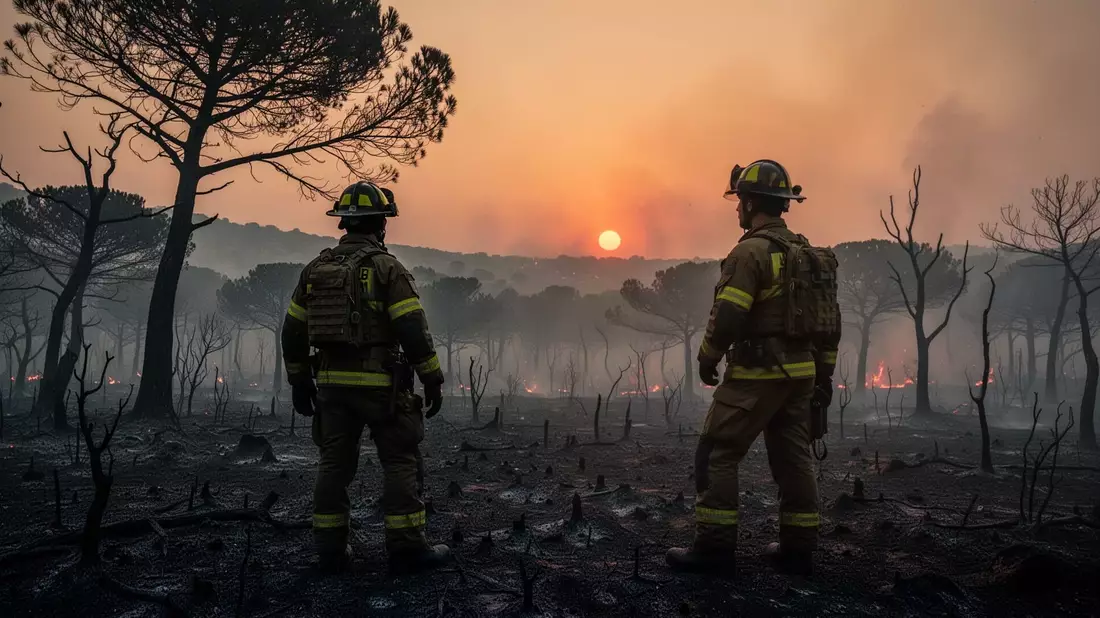
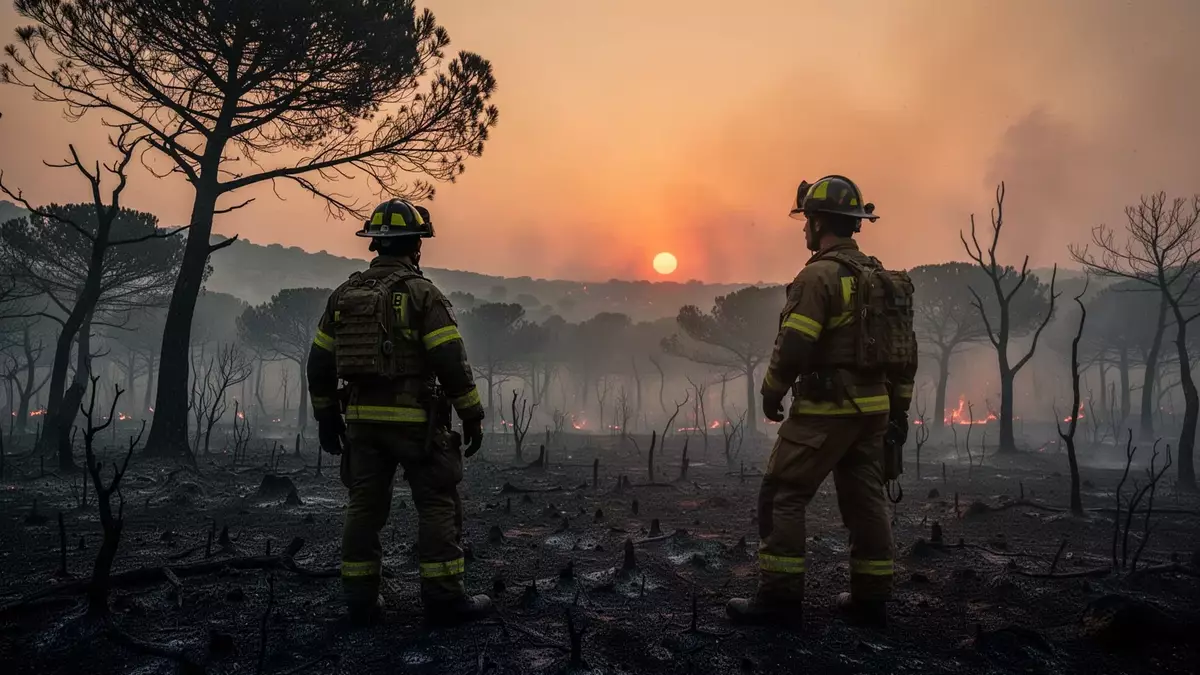
Greek authorities took decisive legal action on August 7, 2026, arresting two people for fire-related negligence and remanding a mayor in custody, as wildfires continue to claim lives and destroy property across the country. The enforcement measures signal a tougher stance on fire safety violations that UK employers with operations in Greece — or supply chains through the region — should note.
Negligence Arrests on Skyros and in Laconia
In separate incidents on August 7, a 63-year-old woman was arrested on the island of Skyros after a fire reportedly started by an electric generator, while a 71-year-old man was detained in Laconia following a barbecue-related blaze. The Laconia fire burned approximately 100 square meters and resulted in a €3,600 fine.
These arrests are part of a wider crackdown on fire safety violations. Between January 1 and August 6, 2026, Greek authorities issued 675 fines totalling more than €1 million. Of the 271 arrests made during this period, roughly 89.3% were for negligence, with the remaining 10.7% involving intentional arson.
Mayor of Stylida Remanded in Custody
In a high-profile case, the Mayor of Stylida, Ioannis Apostolou, was remanded in custody alongside a contractor and a company owner. The charges relate to a massive wildfire that began on July 31 near a wind farm in Boeotia before spreading into Western Attica.
Investigators identified defects in a power line constructed by the mayor's company as the suspected cause. A similar fire had occurred on the same line on June 27. The blaze damaged roughly 200 homes in the Porto Germeno area and had burned 14,400 hectares by August 5. Two helicopter crew members lost their lives during firefighting operations on August 2.
Smoke Pollution Emerges as Primary Health Threat
The impact of this wildfire season extends far beyond the immediate fire zones. Climate scientists at the University of Oxford have warned that smoke is now the primary health threat in France and Spain, often affecting populations well outside evacuation areas. Exposure to wildfire smoke is linked to increased hospital admissions for asthma and heart-lung diseases, as well as premature deaths.
Research into previous wildfire seasons highlights the potential for transcontinental consequences. A study published in Communications Earth & Environment on the 2023 Canadian wildfires found that smoke reached Europe, reducing solar energy production by approximately 3%. The economic cost of this reduction was estimated at €1.17 billion for Europe, with Germany hit hardest due to its increased reliance on fossil fuels to compensate for solar losses.
Heatwaves Add Pressure on Infrastructure
The fire crisis is being compounded by extreme weather. The World Health Organization (WHO) has issued warnings for a new severe heatwave, with temperatures in Portugal and southern Spain forecast to reach 43°C. WHO Regional Director Dr. Hans Kluge noted that less than half of member states currently have national heat-health action plans in place.
The intensity of this year's weather was underscored by a heatwave between June 20 and June 28, classified as the most intense ever recorded. That event led to approximately 3,700 excess deaths across France, the Netherlands, and Belgium. Beyond the public health toll, the heat is straining logistics — low water levels on the Rhine have disrupted freight services and forced cargo ships to reduce their loads, further impacting regional supply chains.