MAIB Investigates Port of Tyne Collision After Major Nurdle Spill
Published on 08/06/2026 at 14:27 | Editorial boerse-global.de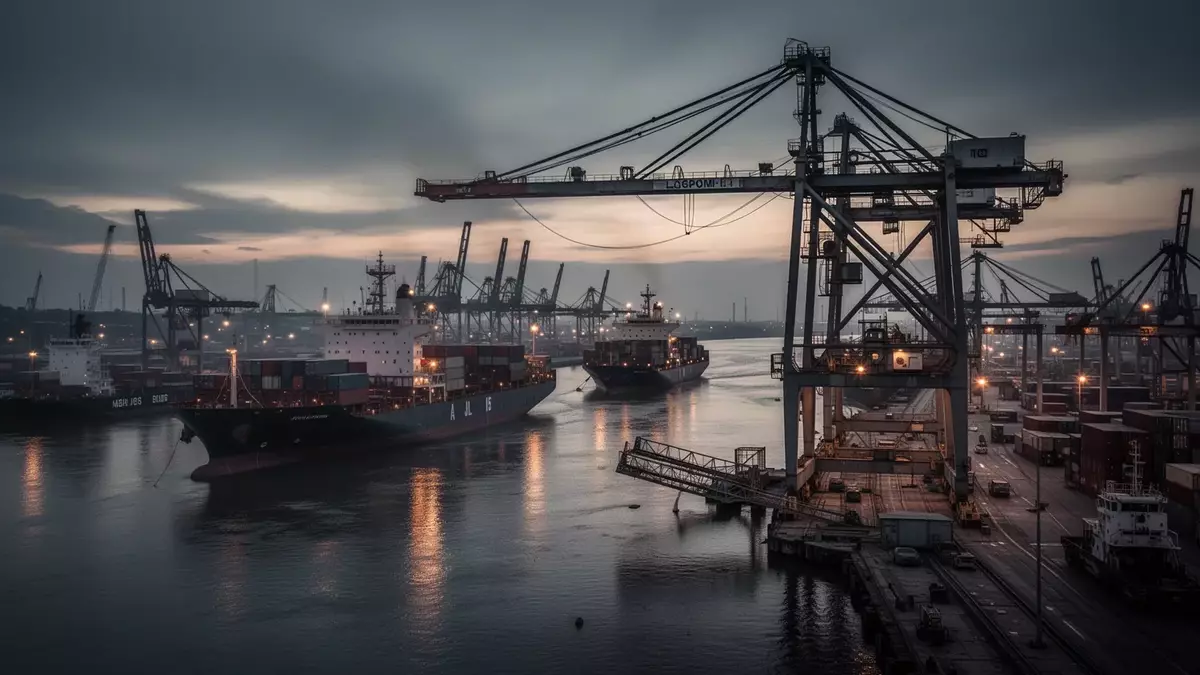
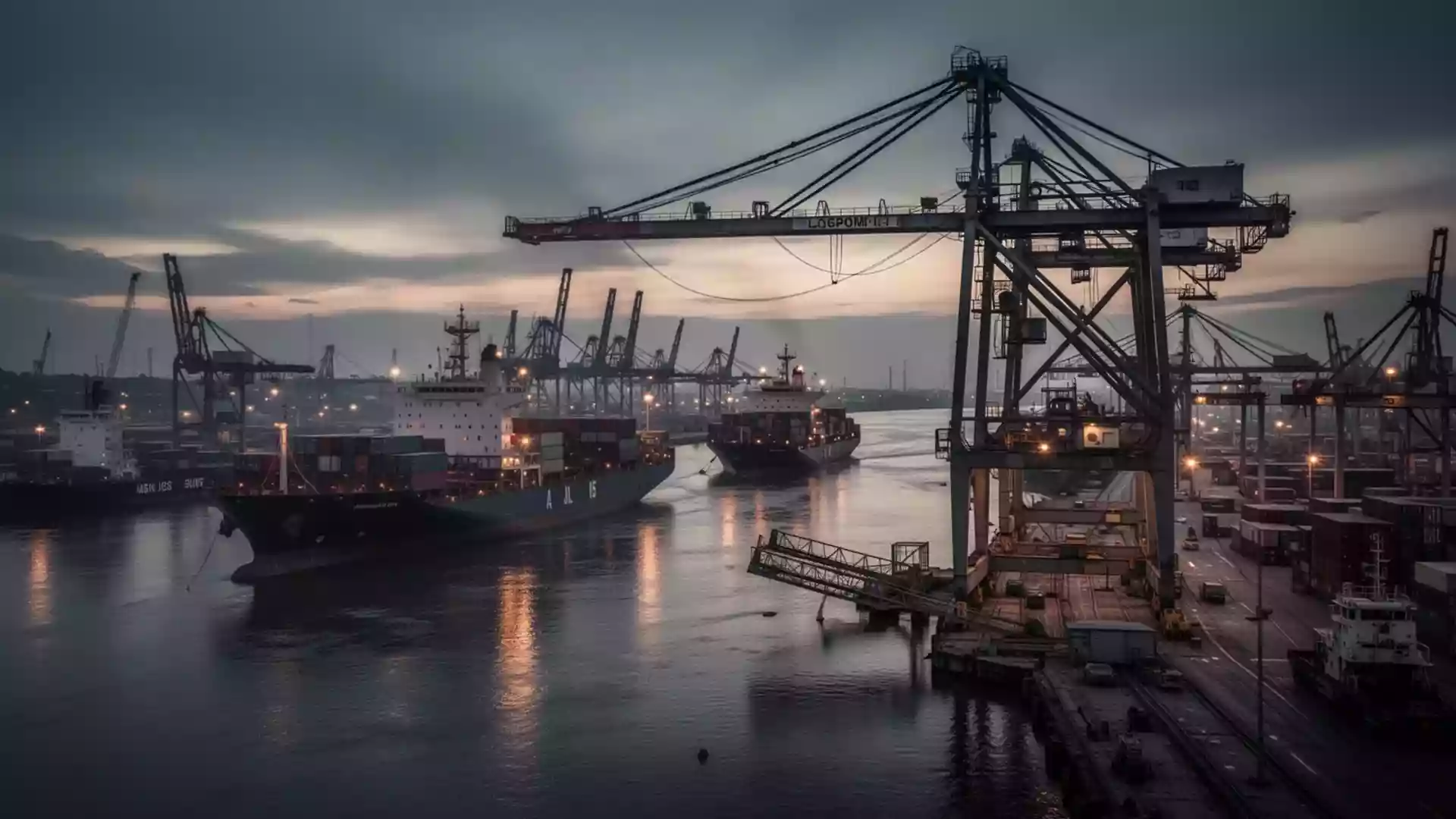
The Marine Accident Investigation Branch (MAIB) has opened a formal investigation into a collision at the Port of Tyne that left a crane operator seriously injured and triggered one of the region's worst plastic pollution events. The July 19, 2026 incident involving the vessels Wind Orca and BG Orange sent around 17 tonnes of plastic nurdles into the River Tyne in a matter of seconds — a spill that UK employers and port operators will be watching closely as questions mount over cargo safety and emergency response.
What Happened
The two vessels collided in mid-July, causing a crane at the port to collapse. The operator sustained multiple bone fractures and was hospitalised, though port officials have confirmed he is now recovering at home.
Port of Tyne CEO Matt Beeton described the incident as traumatic for the staff involved. Beyond the physical damage, the collision breached cargo containers and unleashed what environmental groups are calling an ecological disaster.
The Scale of the Spill
Port authorities confirmed this week that approximately 17 tonnes of plastic nurdles — small pre-production plastic pellets used in manufacturing — entered the river in roughly five seconds. A rapid recovery operation prevented a further 58 tonnes from reaching the water.
Cleanup efforts have been underway since the collision. Nine tonnes of material have been removed directly from the river, with another 285 kilograms collected from local beaches. Despite these efforts, billions of individual pellets are believed to have entered the waterway, prompting a multi-agency response.
Environmental Concerns
The Tyne Rivers Trust has described the event as an environmental disaster, with fish in the river already found to have ingested the plastic. There are 18 recorded fish species in the Tyne that could be affected.
Researchers from Newcastle University have warned that microplastics can cause cellular damage to marine life. The pellets' persistence in the environment makes cleanup particularly challenging, as they are easily dispersed by tides and winds.
Investigation and Next Steps
The MAIB probe is examining the circumstances that led to the collision between the Wind Orca and the BG Orange, as part of a broader multi-agency effort to determine the cause of the crane collapse and subsequent container breach.
As the recovery operation enters its second phase, port officials have announced that volunteer sailors and community members will be invited to assist with further cleanup along the banks and beaches. Beeton emphasised that while preventing a larger spill was a success, the focus remains on mitigating the damage caused by the 17 tonnes that did reach the river.