Nvidia's AI Push Spans Robots, Phone Networks and Data Halls — at Very Different Stages of Readiness
Published on 10/25/2026 at 08:51 | Editorial boerse-global.de
Nvidia spent two days this week sketching out where artificial intelligence goes next: into humanoid robots, into the radio access networks of mobile operators, and into the plumbing of AI data centres. For investors, the announcements are less a single story than a ladder of maturity — some pieces are already in customers' hands, others are prototypes, and several won't ship until 2027.
Robotics: a platform that's live, a humanoid that isn't
On Wednesday the company widened its Isaac robotics platform, making Isaac Lab 3.0 generally available alongside the Isaac OS runtime and a set of workflows for robot development. The emphasis is as much on the tooling for building and running robots as on the machines themselves.
Agile Robots used the same occasion to unveil its Agile ONE SN reference humanoid, with availability pencilled in for early 2027. That gap matters. A platform that is already shipping is not proof that robots built on it will see broad commercial uptake, and a showcased humanoid offers a concrete application outlook without yet demonstrating a completed market launch.
First real-world signals from telecom networks
The telecom projects announced the same day with Nokia and a group of carriers sit closer to live testing. According to Nvidia, T-Mobile completed the world's first AI-RAN call on a commercial network — a world-first designation that comes explicitly from the company's own release. BT, Deutsche Telekom and Elisa, meanwhile, announced pilots in running networks or corresponding test plans.
Should investors sell immediately? Or is it worth buying Nvidia?
Those are further trial steps rather than a rollout. What the announcements do show is Nvidia technology being tied to concrete operating environments, not just development tools. The distinction between one successful individual step and widespread deployment remains the crucial one.
Security tooling and the analyst view
Nvidia also introduced the OpenShell Reference Architecture for AI agents in enterprises and at the network edge, designed to support control, isolation and security. It is available now, according to the company, which named partners spanning models, cloud, cybersecurity and enterprise software.
The analyst verdict lines up with the direction of travel: Nvidia is widening where its technology can be used. What counts for the next stage is which pilots turn into permanent operations and which announced products actually reach the market. Platform releases, tests and planned launches remain separate rungs on the ladder.
Optics move onto the interposer
On the chip side, Nvidia is working to integrate optical components more tightly into its architecture. The design, labelled Optics-on-Interposer, shifts the optical unit onto the interposer, putting the focus on how components are arranged inside the chip package. This is a prototype — a development stage investors should keep distinct from a product in wide use. It cannot be equated with an order or with revenue already booked.
Minerva already has a user
More tangible is Minerva, unveiled on Thursday. The platform combines telemetry from infrastructure and compute workloads to monitor AI data centres. IREN is already using the system, according to Nvidia, and IBM, Lambda and Tesla are among the companies planning deployments. That gives investors a different anchor than a technical demonstration — though planned installations remain intentions, not completed rollouts.
Nvidia at a turning point? This analysis reveals what investors need to know now.
Faster build-outs, with a caveat
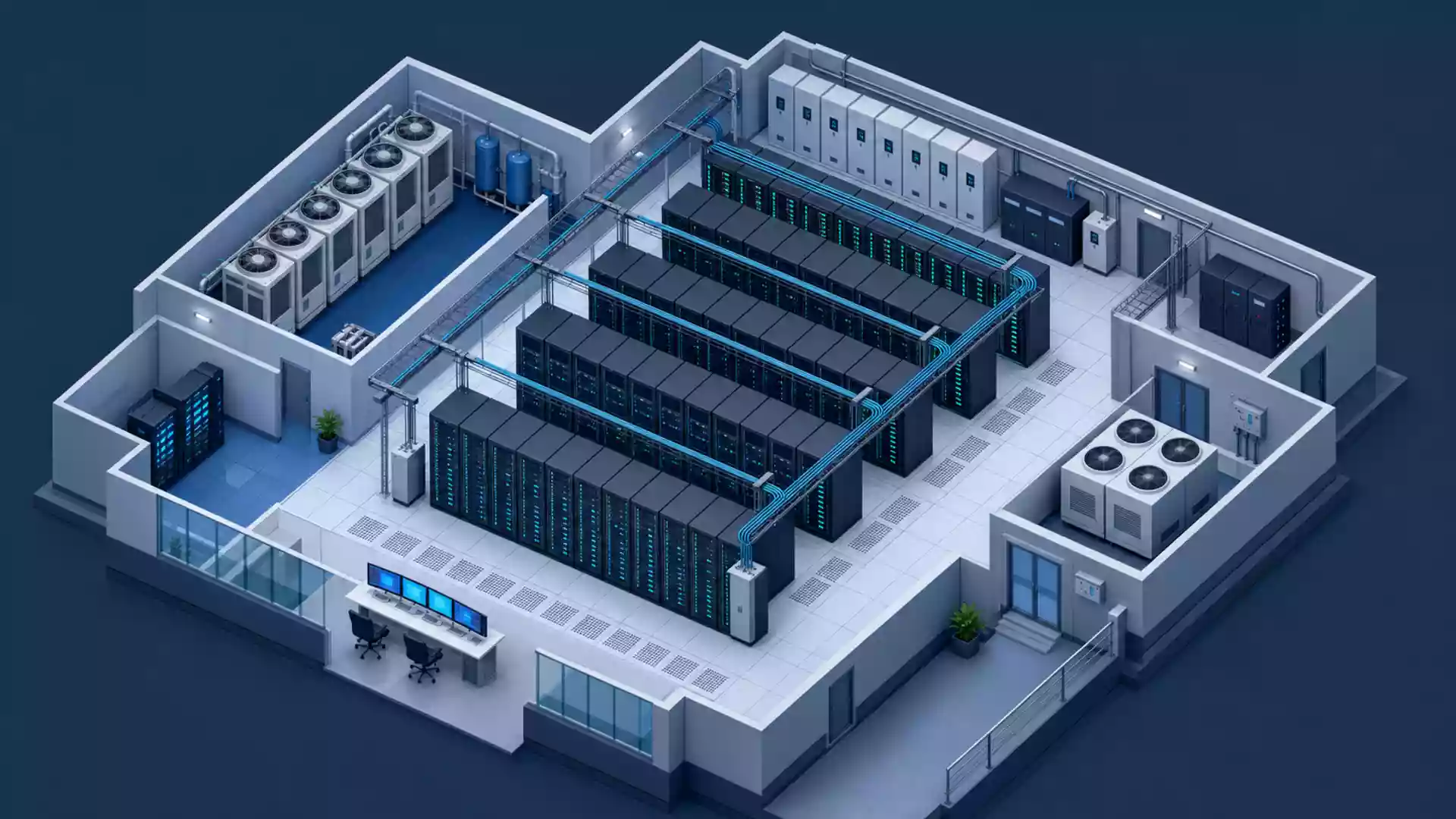
Nvidia is also pushing integration into how AI infrastructure gets built. DSX POD, presented on Wednesday, is a modular pre-fabricated reference design based on Vera Rubin. Nvidia says deployment at a prepared site could shrink from six months to as little as 14 days. Partners are expected to ship the units worldwide from early 2027 — and the potential time saving is tied to the precondition of a site that is ready.
Taken together, the two days of news touch the chip itself, the monitoring of running systems and the delivery of entire facilities. Each carries its own level of maturity: the optical design is a prototype, Minerva has live usage, and DSX POD rests on partner shipments still to come.
Ad
Nvidia Stock: New Analysis - 25 October
Fresh Nvidia information released. What's the impact for investors? Our latest independent report examines recent figures and market trends.