Port of Tyne Crane Collapse Clean-Up Reaches Key Milestone
Published on 07/31/2026 at 16:47 | Editorial boerse-global.de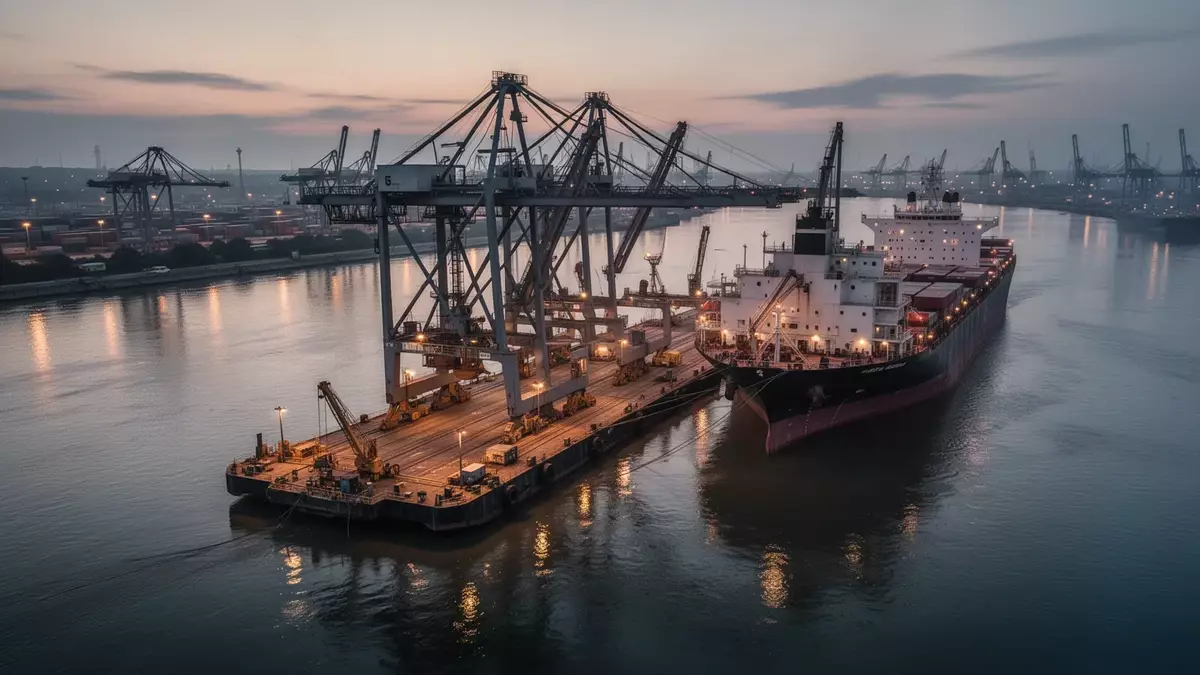
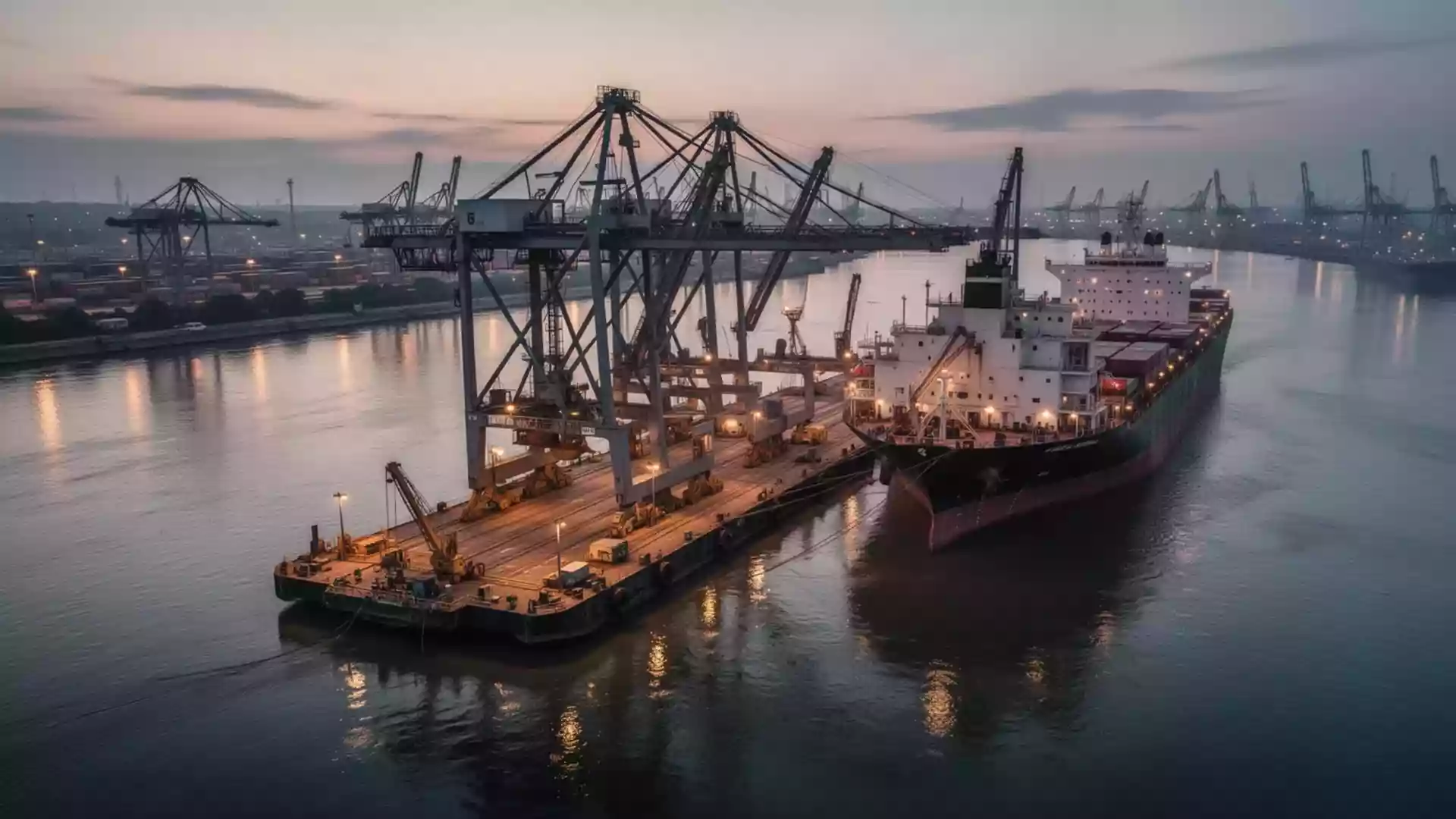
Salvage teams have successfully removed a collapsed crane boom at the Port of Tyne, marking a significant step forward in the recovery operation following a serious dockside incident. The 10-hour operation, which used the Matador 3 floating crane barge to clear debris from the vessel BG Orange, saw the River Tyne closed to traffic for much of July 30 before navigation resumed in the late afternoon. For UK employers and port operators, the incident highlights the critical importance of infrastructure maintenance and emergency response planning.
Major incidents like this show how quickly workplace operations can spiral into complex, multi-agency responses. For employers responsible for safety, having the right documentation in place before an incident occurs is essential. A free toolkit with 41 ready-to-use templates and checklists helps you identify and record workplace risks properly. Download the free Risk Assessment Toolkit
Spill Impact Greater Than First Thought
The Port of Tyne has confirmed that five containers were damaged during the incident — more than initially estimated. Three of these held plastic pellets, known as nurdles, which spilled into the river. Following the removal of the crane boom, officials reported that two containers have been cleared of pellets, while a third is being monitored. Although it still contains material, it is not currently leaking, and floating booms remain in place to contain any further spread.
The environmental impact has been substantial, with an estimated 25 tonnes of nurdles — over a billion individual pellets — released into the water. The spill has affected coastlines across South Tyneside, North Tyneside, Northumberland, and Sunderland. Local wildlife trusts have voiced concern over the threat to marine life, and a public petition has been launched calling for stricter shipping regulations on the transport of plastic raw materials.
What Happened at South Shields
The infrastructure failure dates back to July 19, when the vessel Wind Orca collided with the BG Orange at the South Shields dockside. The impact caused a shore-based crane to collapse onto the vessel, and one person was injured and required hospital treatment at the Royal Victoria Infirmary.
While the crane boom has now been recovered, the long-term clean-up of plastic pellets continues across regional beaches. The incident serves as a reminder of how a single collision can trigger a complex, multi-agency response involving salvage teams, environmental agencies, and local authorities.
Drone Strike Hits Egyptian Gas Terminal
In a separate infrastructure security incident on July 29, a drone attack targeted the Damietta Port in Egypt. The strike hit the staircase of the Energos Winter, a U.S.-owned floating storage and regasification unit (FSRU), causing a fire that spread to the Greek tanker GasLog Salem.
Egyptian authorities reported that the strike narrowly missed the main liquefied natural gas (LNG) storage tanks. Emergency protocols were activated, and the affected vessels were disconnected and towed 3.5 kilometres away from the terminal. While the port remains operational, both vessels have been taken out of service for repairs. The incident is expected to affect approximately 7% of Egypt's daily gas consumption, prompting the government to arrange an interim vessel from Aqaba to maintain supply.
Port Infrastructure Concerns in Guyana
Questions over port infrastructure integrity have also been raised at the Port Kaituma Wharf in Guyana. Reports indicate the facility failed due to design flaws and an inadequate foundation, with piles reportedly not driven deep enough into unsuitable ground. These structural issues have prevented the vessel MV Ma Lisha from berthing at the terminal.
When infrastructure fails, the consequences ripple far beyond the immediate site — as these port incidents demonstrate. UK employers have a legal duty to protect workers and visitors under the Health & Safety at Work Act 1974, and failing to document risks properly can leave you exposed. A free toolkit provides risk assessments, checklists and a director's liability guide to help you stay compliant. Get the free Health & Safety at Work Act Toolkit
Recent Road Fatalities
The road transport sector has also seen a series of fatal accidents in recent days. On July 31, a collision between a car and a tanker lorry in Gua Musang, Malaysia, resulted in three fatalities. This followed a fatal crash on July 30 on the A27 highway near Oosterhout in the Netherlands, involving a car and a truck, which led to a multi-hour highway closure.
Closer to home, an investigation is underway in the United Kingdom following a fatal collision involving a livestock lorry on the A46 in Lincoln.