Rolls-Royce Investors Weigh Hard Buyback Evidence Against Soft UltraFan Aid Talk
Published on 10/28/2026 at 13:52 | Editorial boerse-global.de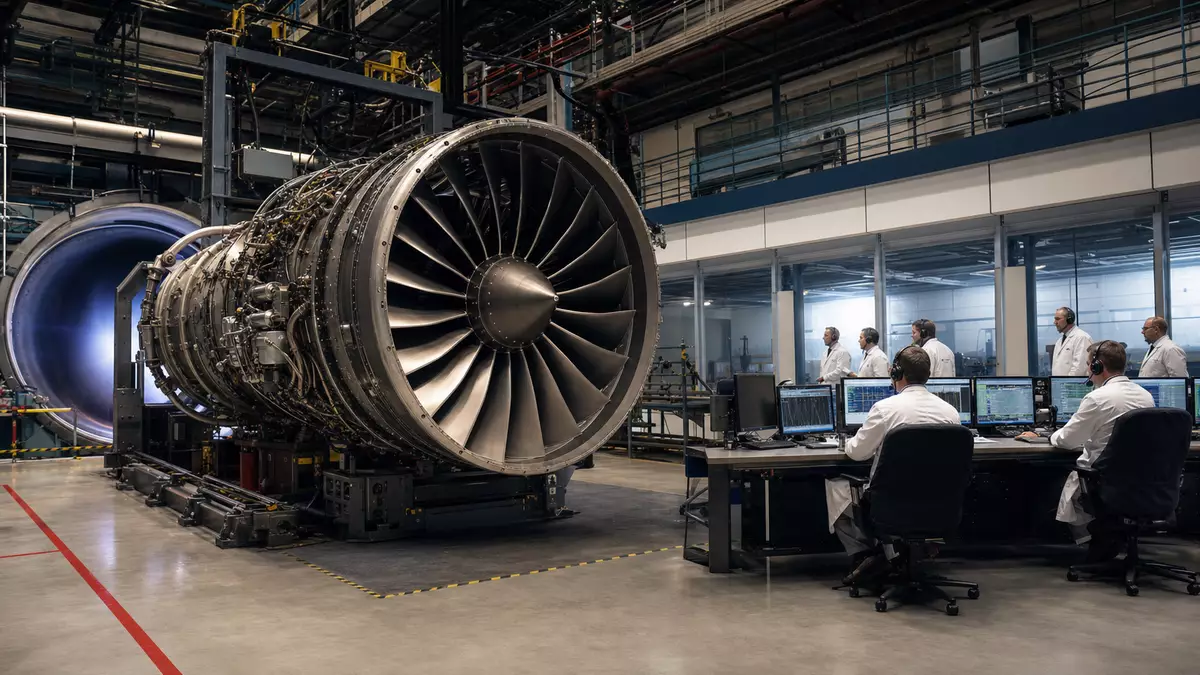
Rolls-Royce has given shareholders two very different kinds of news to chew on this week: a capital return that is already happening, and a possible government lifeline that is not yet confirmed. Sorting one from the other is the whole exercise.
The concrete item is the buyback. Rolls-Royce reported purchases of its own shares under a £2.3 billion repurchase programme, with the acquired stock slated for cancellation. That announcement, dated 20 October, puts a completed capital measure on the table while other potential catalysts remain works in progress or, in one case, an unconfirmed arrangement.
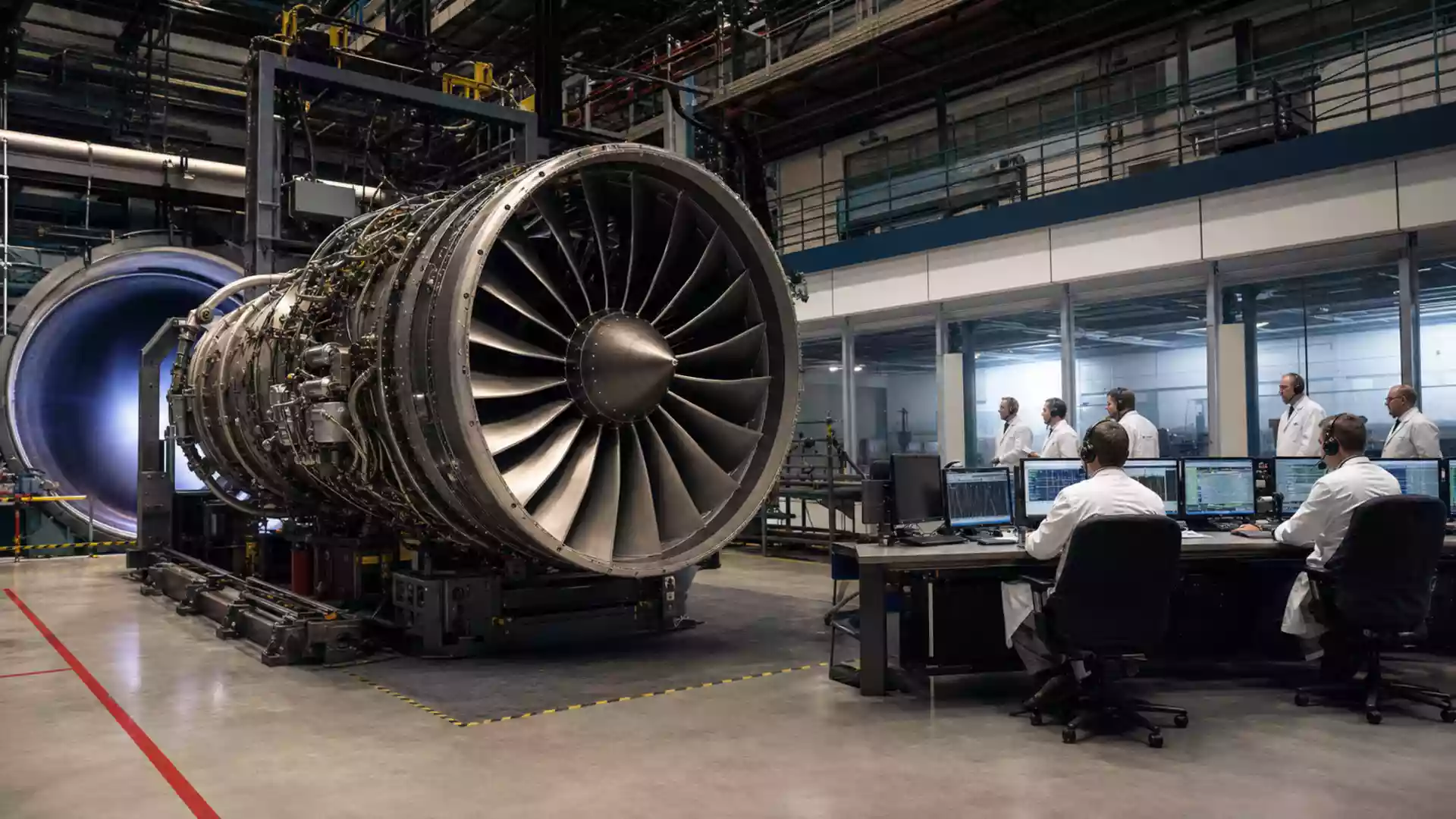
The speculative item concerns the UltraFan-30 demonstrator. Reuters reported on Friday, citing the Financial Times, that a British support package worth up to £200 million could back development and testing of the demonstrator for short-haul aircraft. Reuters could not independently verify the report, and Rolls-Royce declined to comment. A reported approach is neither a signed contract nor a guaranteed payout, so the figure itself matters far less than whether it hardens into a binding agreement.
What the Money Would and Would Not Cover
Even in the best case, the reported aid is tied to building and testing a demonstrator. It does not represent a commercial order, and investors should treat it as backing for one development stage rather than as secured revenue from a future product. Keeping that distinction sharp guards against confusing technical progress with economic results.
Should investors sell immediately? Or is it worth buying Rolls-Royce?
The same discipline applies to the company's other engineering news. On 20 October, Rolls-Royce told Axios it had brought its MV-75 engine to full power with a new digital FADEC control system, and that it is preparing to support the US Army's MV-75 aircraft programme, including work on engine controls. That report covered the development and certification path, not a freshly announced award. The technical milestone can bolster how the project is viewed, but anyone extrapolating extra revenue from it would be running ahead of what was disclosed.
On the services side, the change is already in force. Rolls-Royce widened its CorporateCare Enhanced maintenance programme with five additional benefits, covering items such as smaller foreign object damage and parts with expired service life for eligible Pearl engines. The programme's hourly rate was not raised. Additional coverage without a higher rate may make the offer more attractive to customers, yet a bigger contribution to earnings does not follow automatically.
Reading the Share Price
Context matters for the latest move in the stock, which climbed 2.6% yesterday. That gain on its own says nothing about a re-rating of the company's projects, nor does it establish any causal link to the buyback. The investor question stretches past a single session: how much weight should reliable execution carry relative to prospects that remain open?
The bull case rests on Rolls-Royce continuing the repurchase while delivering further verifiable progress on its projects, so that the investment thesis does not lean on capital measures alone. Technical execution and commercial prospects could then reinforce each other. A confirmed support agreement for the demonstrator would sharpen the outlook for that programme, and additional benefits under CorporateCare could strengthen the appeal of the service offering.
The bear case does not require an engineering setback. It gains traction if investors assign less economic significance to development milestones than they had hoped, leaving the MV-75 achievement as progress but not grounds for upgraded business expectations. Nor can the expanded CorporateCare benefits be booked as extra income by default; a more attractive offer at an unchanged hourly rate still leaves open the question of its economic contribution. And the aid report carries its own uncertainty, since it is unverified and the company would not comment. Assuming a deal is already in place ties the investment view to an outcome nobody has confirmed. The ongoing buyback does not remove that risk.
Rolls-Royce at a turning point? This analysis reveals what investors need to know now.
The Yardstick From Here
What would shift the picture? A company confirmation of the British support package ranks as the most obvious next catalyst, and its terms would set the following valuation benchmark; should the support come in below expectations, the optimistic reading would have to narrow accordingly. Fresh concrete steps in the MV-75 programme could likewise move the assessment. In each case the substance of the confirmation, not the headline, is what counts.
Until then, the hierarchy is clear: completed measures deserve different weight than development successes, and development successes different weight than possible agreements. Durable confidence would have to build through further hard evidence, not through the repetition of hopes already familiar to the market.
Ad
Rolls-Royce Stock: New Analysis - 28 October
Fresh Rolls-Royce information released. What's the impact for investors? Our latest independent report examines recent figures and market trends.