Siemens Energy: A Nigerian Transformer Contract, a Buyback Ledger, and the Price Debate Hanging Over Both
Published on 10/26/2026 at 05:51 | Editorial boerse-global.de
Siemens Energy shares fell 2.9% on Friday, caught in a broader retreat from technology and AI-linked names as investors questioned the returns on heavy artificial intelligence spending. Yet on the same day the Munich-based equipment maker confirmed a concrete piece of business in Nigeria — a reminder that sentiment and order flow are two separate stories.
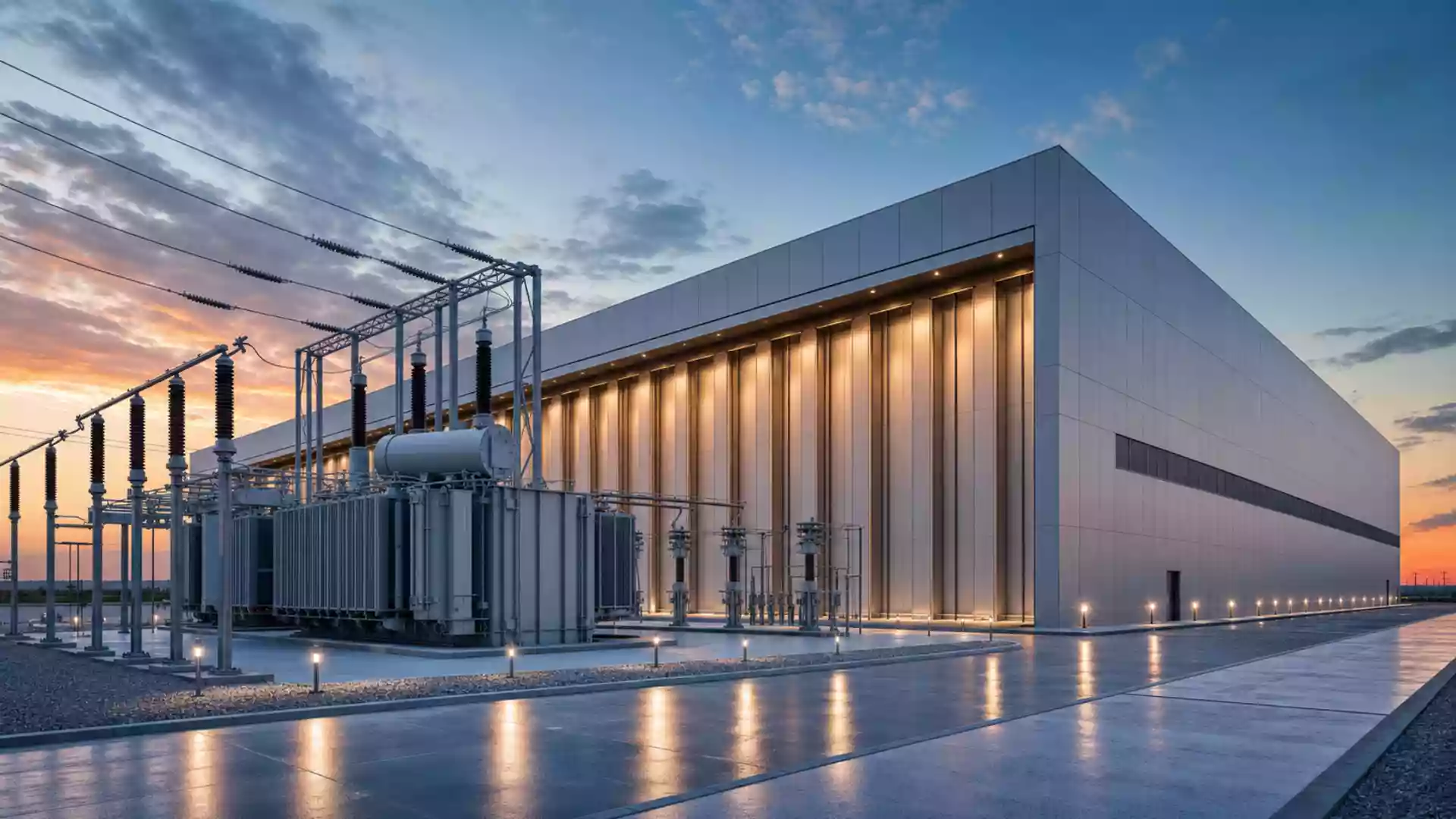
Geregu Power said Friday it had reached an agreement with Siemens Energy covering three generator transformers for its Geregu plant. The scope runs well beyond a single technical service: Siemens Energy will handle design, manufacturing, testing and delivery of the units, which are destined for generating units GT11, GT12 and GT13.
What the announcement does not do is put a number on revenue or profit. It evidences real work in the pipeline, but on its own it says nothing about the earnings contribution — a distinction worth keeping in mind while the wider sector trades on expectations rather than signed contracts.
Two Forces Pulling in Opposite Directions
The backdrop is more complicated than a single down day suggests. Large gas turbines are reportedly quoting lead times of several years, a clear signal of robust demand for the equipment Siemens Energy builds. That is a positive industry marker, though not a fresh company-specific order.
Long queues for delivery, however, do not settle the question of future margins. Demand, pricing and cost are three different variables, and that gap has become the fault line in the debate over suppliers to the AI infrastructure build-out.
Should investors sell immediately? Or is it worth buying Siemens Energy?
On October 20, Barclays analyst George Featherstone flagged pricing pressure on equipment vendors, reasoning that AI companies and cloud providers are watching their own costs more closely. Siemens Energy came under pressure alongside other data-centre and energy-technology suppliers. The caution concerns the sector, not a profit warning from the company itself — a line investors should not blur.
What the Buyback Ledger Shows
Alongside the industry argument, Siemens Energy kept repurchasing its own stock. Between October 12 and October 18 inclusive, the company bought back 1,096,894 shares. Since the programme began on September 24, the cumulative volume had reached 3,218,898 shares by that cut-off date.
Those purchases are a tangible corporate action, but they offer no answer to how stricter cost discipline among customers might feed through to the operating business.
A Second Analyst Voice, and a Date to Circle
JPMorgan left Siemens Energy at "Overweight" on October 19, without changing its price target. The endorsement is a useful reference point, though it does not amount to a fresh assessment of the Nigerian contract disclosed on Friday.
The next hard checkpoint arrives on November 11, when annual results and the outlook for fiscal 2027 are due. That release will carry far more weight for judging the operating trajectory than a single session's move in a weak technology market.
Until then, the key distinction for shareholders is straightforward: a multi-year gas turbine order book is a genuine positive, but it is not yet proof of expanding margins — and a transformer deal in Nigeria, welcome as it is, belongs in the same category of evidence still waiting to be quantified.
Ad
Siemens Energy Stock: New Analysis - 26 October
Fresh Siemens Energy information released. What's the impact for investors? Our latest independent report examines recent figures and market trends.