
Siemens Energy Seals Iraq Pact and Canadian Nuclear Deal While Board Shake-Up Ends Siemens Era
Published on 09/26/2026 at 19:10 | Editorial boerse-global.de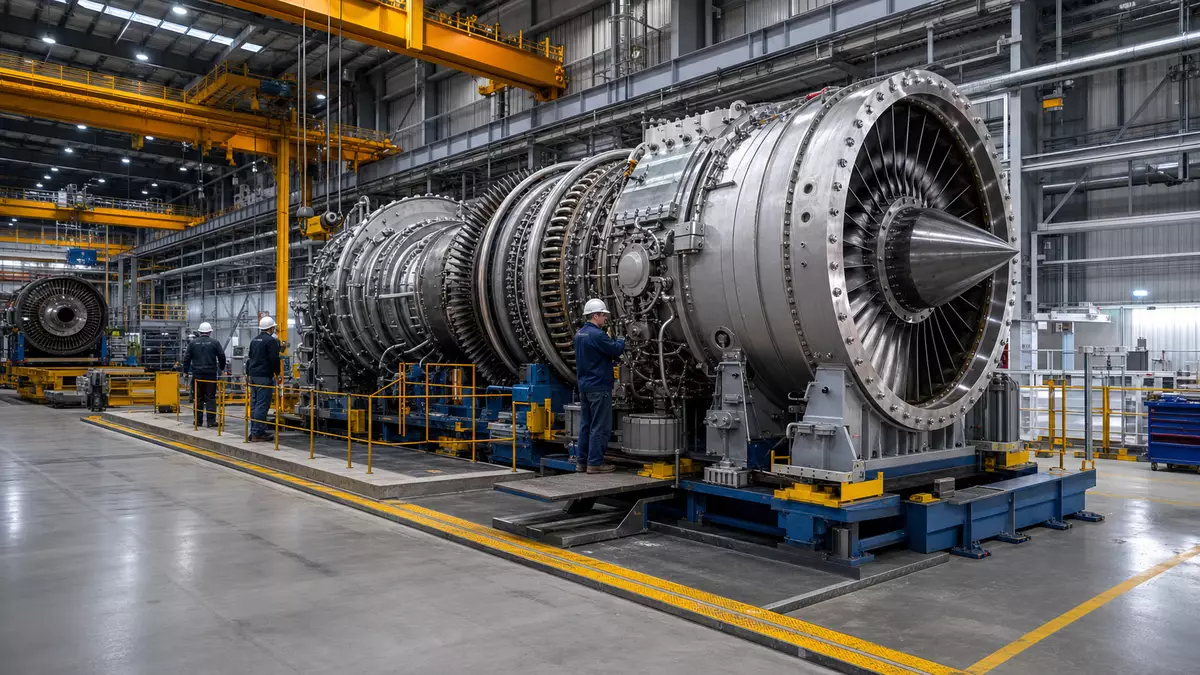
Siemens Energy has packed a remarkable stretch of deal-making and corporate housekeeping into a matter of days, underscoring how far the former Siemens subsidiary has travelled since its spin-off. A framework agreement with Iraq's electricity ministry, a major Canadian nuclear contract and the departure of the last Siemens-appointed supervisory board member all landed within the same news cycle — a trio of developments that together sketch the outlines of a fully independent company.
Baghdad Framework Targets Iraq's Grid Woes
The Munich-based energy technology group and Iraq's electricity ministry signed a framework agreement in Berlin on 15 September covering the fourth phase of their joint energy cooperation, according to media reports. The deal is designed to stabilise the country's power supply through a mix of modernisation work and greenfield projects.
Under the arrangement, new power plant projects and additional substations are planned to lift generation capacity and expand the transmission network. A further focus lies on upgrading existing facilities and taking targeted steps to relieve acute grid bottlenecks — chronic problems that have weighed on Iraqi businesses and households for years.
Beyond construction and repairs, the framework includes long-term maintenance contracts. The parties have also held talks on project financing and accompanying training programmes for local personnel.
Pickering Retrofit Adds C$1.3 Billion to Order Book
Days earlier, a consortium of Aecon and Siemens Energy Canada secured a significant contract in Ontario. The modernisation of the Pickering nuclear power plant carries a total volume of CAD 1.3 billion, equivalent to roughly EUR 800 million.
Should investors sell immediately? Or is it worth buying Siemens Energy?
Siemens Energy's share covers the overhaul of generators as well as the supply of 14 steam turbine rotors and modern control technology. The project highlights the group's strong footing in the conventional energy and power plant business, which continues to generate dependable revenue.
Rebellius Exit Marks the Final Siemens Thread
Alongside the expansion of its overseas project business, the DAX-listed group is undergoing a change at the top of its supervisory body. Matthias Rebellius will step down from the supervisory board on 30 September 2026 at his own request, leaving ahead of schedule. He is the last representative of former parent Siemens on the panel.
The Munich district court appointed Pekka Lundmark as his successor effective 1 October 2026. Shareholders will be asked to formally elect Lundmark at the annual general meeting on 25 February 2027.
The corporate ties to the former parent are loosening in shareholding terms as well. Siemens AG, through Siemens Beteiligungen Inland GmbH, fell below the 5 percent reporting threshold. Following completion of the transaction, the Munich technology group retains 4.98 percent, or 42,896,843 voting rights, in Siemens Energy. The voting rights notification was published on Thursday.
Running alongside these changes is a share buyback programme worth up to EUR 2 billion, capped at 50,000,000 no-par-value shares, with a term running at the longest until 31 March 2027.
Wind Turnaround Is the Test That Matters
For the capital market, the pivotal question is how durable the recovery in the wind business proves to be. The overhaul of subsidiary Siemens Gamesa sat at the heart of the group's crisis for years, with quality defects and project delays racking up billions in losses.
The wind division reported a positive quarterly result more than a month ago — its first since the 2022 financial year — yet the full-year test still lies ahead. Management is holding firm to its target of reaching break-even across the entire 2026 financial year. Clearing that hurdle would remove the group's single largest uncertainty.
Support comes from a record order backlog of EUR 162 billion on the books as of 30 June. The task for investors is to see those orders executed at solid margins and without costly rework.
Earnings Momentum and the Omterra Spin-Off
In the bullish scenario, earnings momentum gathers further pace in the coming quarters. Group revenue already climbed 17.47 percent to EUR 11.45 billion in the third quarter, with earnings per share of EUR 1.28. Those figures confirm that demand for grid technology and conventional power plant infrastructure remains robust.
Additional potential stems from the planned spin-off of the Transformation of Industry division, which is to operate as a standalone company under the name Omterra. The supervisory board approved the move roughly a month ago. With annual revenue of EUR 5.7 billion and an 11.3 percent margin in the 2025 financial year, the segment ranks as highly profitable. A later partial sale or IPO could unlock substantial value, while Siemens Energy would retain a significant minority stake.
Siemens Energy at a turning point? This analysis reveals what investors need to know now.
Operational progress in the offshore sector adds to the picture. The Borkum Riffgrund 3 wind farm in the North Sea entered commercial operation at the end of August with 83 turbines installed. Against this backdrop, many market participants see further upside: media reports on Wednesday put the average analyst price target at EUR 194.80.
Long-Dated Projects and a High Bar
Weighing against the optimism are genuine risks rooted in the long timelines of complex infrastructure work. Major orders for offshore grid connections, including high-voltage components, can run until the end of 2034. Unexpected supply bottlenecks, inflation or technical complications can generate substantial extra costs over a project life spanning years.
The stock has also priced in plenty of good news. Siemens Energy shares have gained 20 percent since the start of the year and closed Friday at EUR 144.06, a daily rise of 0.4 percent. Setbacks on major projects or manufacturing delays could quickly translate into palpable disappointment.
The Omterra separation cuts both ways. While independence opens new strategic options, the remaining group loses a dependable earnings contributor that has steadied more volatile divisions in the past.
A Clear Fork in the Road
For investors, the situation boils down to a straightforward decision point. As long as Siemens Energy stays on course toward its targeted break-even in wind for the 2026 financial year, the foundation for a re-rating holds. Should the division slip back into loss in the final quarter, market confidence would likely take a heavy hit.
A key milestone for the group's future direction arrives next spring, when shareholders vote on Lundmark's formal election to the supervisory board at the 25 February 2027 meeting. Until then, the coming annual results will show just how solid the energy technology group's operating base really is.
Ad
Siemens Energy Stock: New Analysis - 26 September
Fresh Siemens Energy information released. What's the impact for investors? Our latest independent report examines recent figures and market trends.


