Silver's Slide Exposes a Market Torn Between Forced Selling and Shrinking Solar Demand
Published on 10/31/2026 at 07:40 | Editorial boerse-global.de
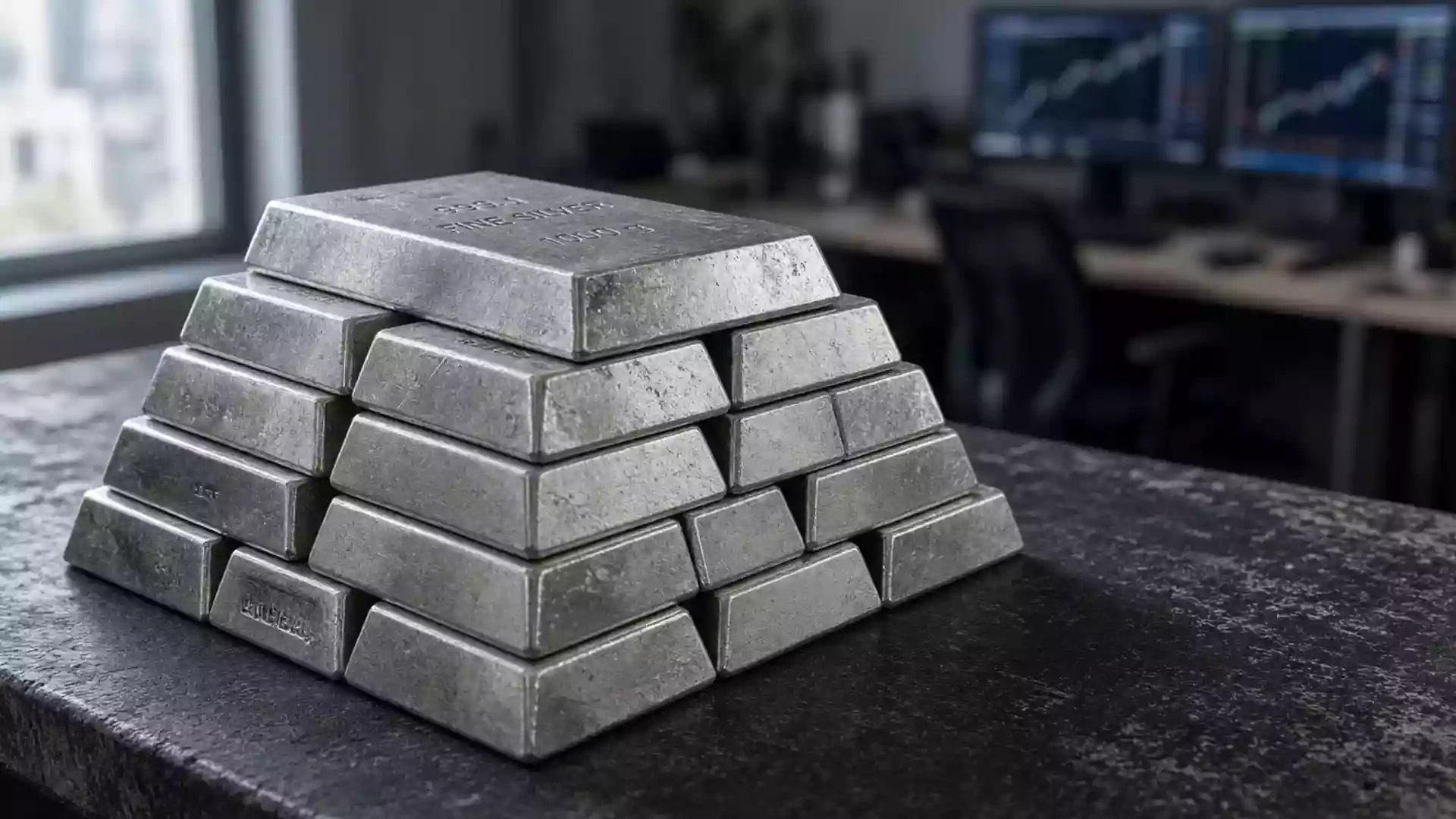
Silver's sharpest one-day drop in recent memory has left investors grappling with a question that goes well beyond the headline number: how much of the selloff reflects a genuine reassessment of the metal's prospects, and how much is simply the byproduct of stressed balance sheets elsewhere in the market?
The metal settled at USD 49.14 per troy ounce yesterday, a daily move of -6.3% that underlined the force of the retreat. Technical indicators, according to media reports, showed no signs of the selling pressure abating even today — a signal that the decline has yet to run its course.
Margin Calls and the Liquidity Channel
Commerzbank, cited by Reuters, pointed to margin calls triggered by the selloff in technology stocks as a factor amplifying the pressure on silver. Doubts about the returns on hefty artificial intelligence investments drove investors out of tech names, and according to the German bank, some may have been forced to liquidate precious metals positions as well. That explanation remains a possibility rather than a confirmed cause of every sale.
The distinction matters. Liquidity-driven selling does not, in itself, say anything about whether the physical supply picture has changed — though it can certainly add to price pressure. A technical rebound, should one materialize, would therefore not prove that the monetary-policy headwinds have cleared.
Should investors sell immediately? Or is it worth buying Silber Preis?
Inflation Keeps the Pressure On
Those headwinds remain firmly in place. The US PCE price index rose 3.6% year-on-year in September, with the core rate at 3.1% — both above the Federal Reserve's 2% target. Higher oil prices have sharpened inflation worries and kept expectations of a possible US rate hike in December alive. No such increase has been decided, but the prospect of rates staying elevated for longer is already weighing on non-yielding precious metals through market expectations alone. Robust US growth data have added to the difficulty, dimming hopes for a swift monetary easing.
Markets currently price the probability of a December hike at 70–80%, according to today's market assessment — a long way from a done deal, but enough to keep any recovery fragile. Higher real yields and inflation concerns have been among the heaviest burdens on silver of late.
Solar Demand Cracks the Deficit Story
The physical market offers little in the way of a counterweight. The World Silver Survey forecasts a 3% decline in industrial silver demand for 2026, with solar demand expected to fall by roughly 19% as manufacturers cut their silver consumption. That puts pressure on precisely the segment that has underpinned industrial offtake. An expected supply deficit, in other words, does not automatically translate into a higher price in the near term.
The Silver Institute still anticipates a supply deficit of 46.3 million ounces in 2026 — the sixth consecutive annual shortfall — but market observers also expect the gap between supply and demand to narrow. What counts for investors is not merely the existence of a deficit but its trajectory. Weaker industrial demand and a persistent shortfall are not mutually exclusive.
A Question of Time Horizons
Mirae Asset Sharekhan warned yesterday that silver could fall further, to USD 48 per ounce. The research house drew an explicit distinction between time frames: further declines are possible in the short run, while lower levels look attractive over the medium and long term. That view is not a call that a bottom has formed — it describes the tension between ongoing selling pressure and a potentially more favorable long-term entry point.
Silber Preis at a turning point? This analysis reveals what investors need to know now.
HSBC, for its part, projects an average silver price of USD 64 per ounce for 2027 and USD 71 for 2026. Those annual averages are not short-term price targets, and they do not contradict the possibility of further near-term losses.
What would a durable recovery require? First, the selling pressure would have to ease; second, rate fears would have to recede. Neither is assured. A lower price on its own provides no evidence that either condition has been met — and until both fall into place, the metal's path remains exposed to the financing conditions and cross-market flows that have dominated trading this week.
Ad
Silber Preis Stock: New Analysis - 31 October
Fresh Silber Preis information released. What's the impact for investors? Our latest independent report examines recent figures and market trends.