South African Factory Shut Down After Raids Expose Safety Failures and Wage Abuse
Published on 08/08/2026 at 19:57 | Redaktion boerse-global.de
Inspectors have ordered the immediate closure of a clothing factory in Hammarsdale, west of Durban, after a two-day enforcement blitz uncovered serious breaches of labour law and workplace safety standards. The operation, led by South Africa's Deputy Minister of Employment and Labour Jomo Sibiya alongside eThekwini Metro officials on August 7 and 8, 2026, found workers exposed to hazardous conditions and, in at least one case, paid a fraction of the legal minimum wage.
Safety Violations Force Closure
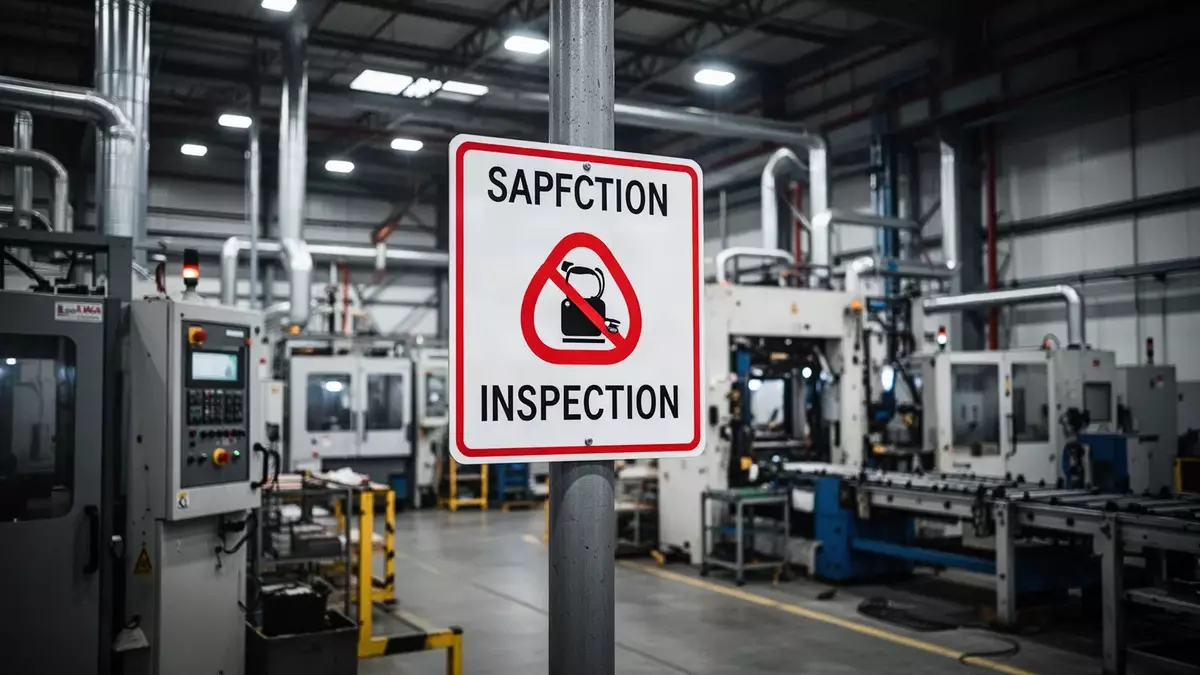
The inspection revealed what officials described as dilapidated working conditions throughout the Hammarsdale complex. Documented hazards included falling roof panels, unsecured electrical wiring, and a complete absence of ventilation. The factory will remain shut until every identified violation has been fully remedied.
Deputy Minister Sibiya said the government would not tolerate the exploitation of job seekers or the disregard of safety protocols. He noted that conditions found during the surprise raid represented a clear breach of established occupational health and safety frameworks.
Documenting workplace hazards properly isn't just about compliance — it's about protecting your people and your business from exactly the kind of enforcement action seen here. A free toolkit with 41 ready-to-use templates and checklists helps you identify risks and keep your documentation inspection-ready. Download the free Risk Assessment Toolkit
Wage Payments Fall Far Below Legal Minimum
Beyond the physical dangers, inspectors uncovered significant discrepancies in wage payments and employment contracts. Documentation reviewed during the raids showed some staff were being paid well below the national minimum wage — in one instance, a cleaner was earning just R300 per month.
South African labour regulations currently set the minimum wage at approximately R30 to R30.23 per hour. Officials indicated the factory owners now face potential fines of R10,000 for every worker found to be employed in violation of immigration or labour regulations.
Arrests Made in Immigration Crackdown
The enforcement blitz on August 7 resulted in the arrest of 28 foreign nationals working without valid permits, including 25 nationals from Lesotho and two Chinese nationals. Three Chinese employers were also taken into custody for immigration violations related to the hiring of undocumented staff.
These actions come amid a period of significant instability for South Africa's manufacturing and agricultural sectors. Recent months have seen a large-scale departure of migrant workers following anti-migrant protests and intensified immigration enforcement.
When safety inspections happen, having the right documentation can make all the difference between a warning and a shutdown order. Over 37,000 UK businesses use a free Health & Safety toolkit covering key regulations like COSHH and PUWER to stay compliant and avoid costly penalties. Get the free Health & Safety Toolkit
Industry Struggles With Worker Exodus
The textile and clothing industry in KwaZulu-Natal is now navigating a labour crisis. Reports from recent months indicate that more than 160,000 foreign workers had left South Africa by the end of June 2026. In Newcastle, clothing factories have reported losing between 12% and 19% of their staff, while some agricultural operations in the KwaZulu-Natal sugar belt have lost up to 80% of their cane cutters.
While the government has expanded its Trusted Employer Scheme to assist with legal compliance, factories in areas such as Chatsworth and Hammarsdale continue to struggle with production orders due to the exodus of skilled machinists from neighbouring countries. Department officials stated that compliance raids will continue to intensify to ensure remaining operations adhere to national standards.