Sparks, Soap Suds and a 30-Centimetre Rule: What to Know Before You Cut Into a Wall Near a Gas Pipe
Published on 10/24/2026 at 00:30 | Editorial boerse-global.de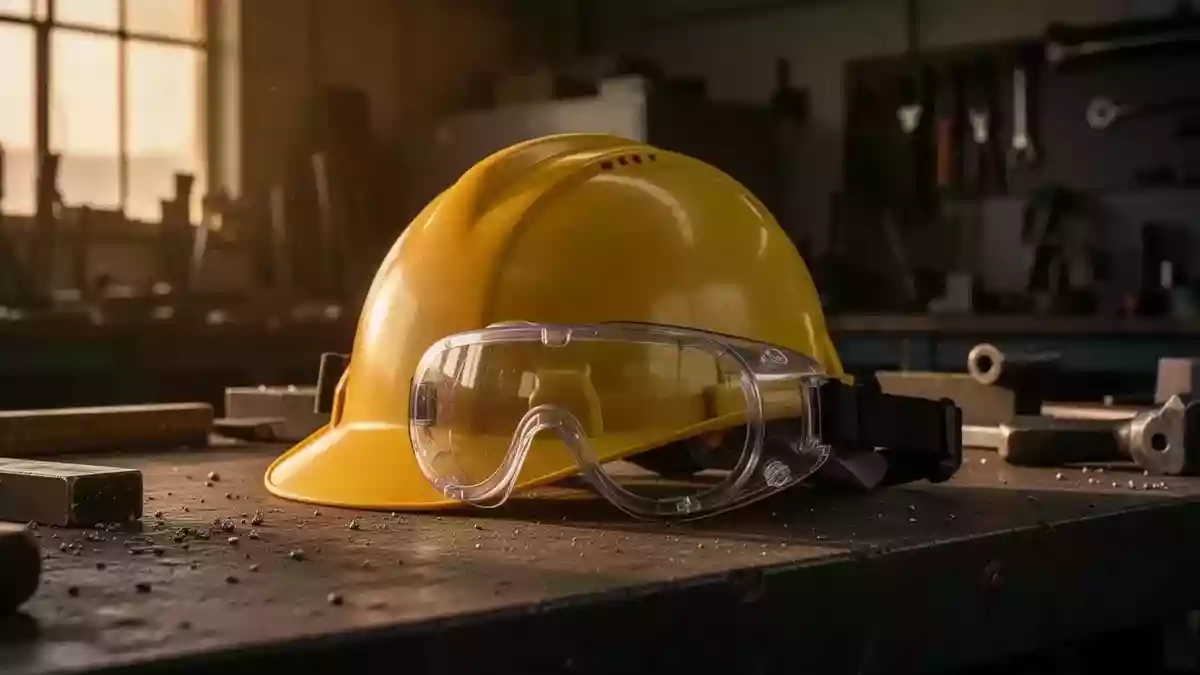
Anyone planning to knock a hole through an interior wall or strip out a kitchen during a renovation has a hidden hazard to think about first: the gas line running somewhere behind the plaster. Trade guidance circulating in current specialist reports sets out how to keep that infrastructure intact and avoid an uncontrolled release of gas.
Find the pipe before the saw finds it
The starting point is knowing exactly where the supply lines run. Builders and installers are advised to consult construction and installation plans, carry out visual inspections, and bring in electronic line scanners and gas detectors.
For cutting work on building components, a clearance of at least 30 cm from the presumed gas pipe is the recommended benchmark. Where the actual route of the line is unclear, that distance should be increased — or the pipe shut off beforehand.
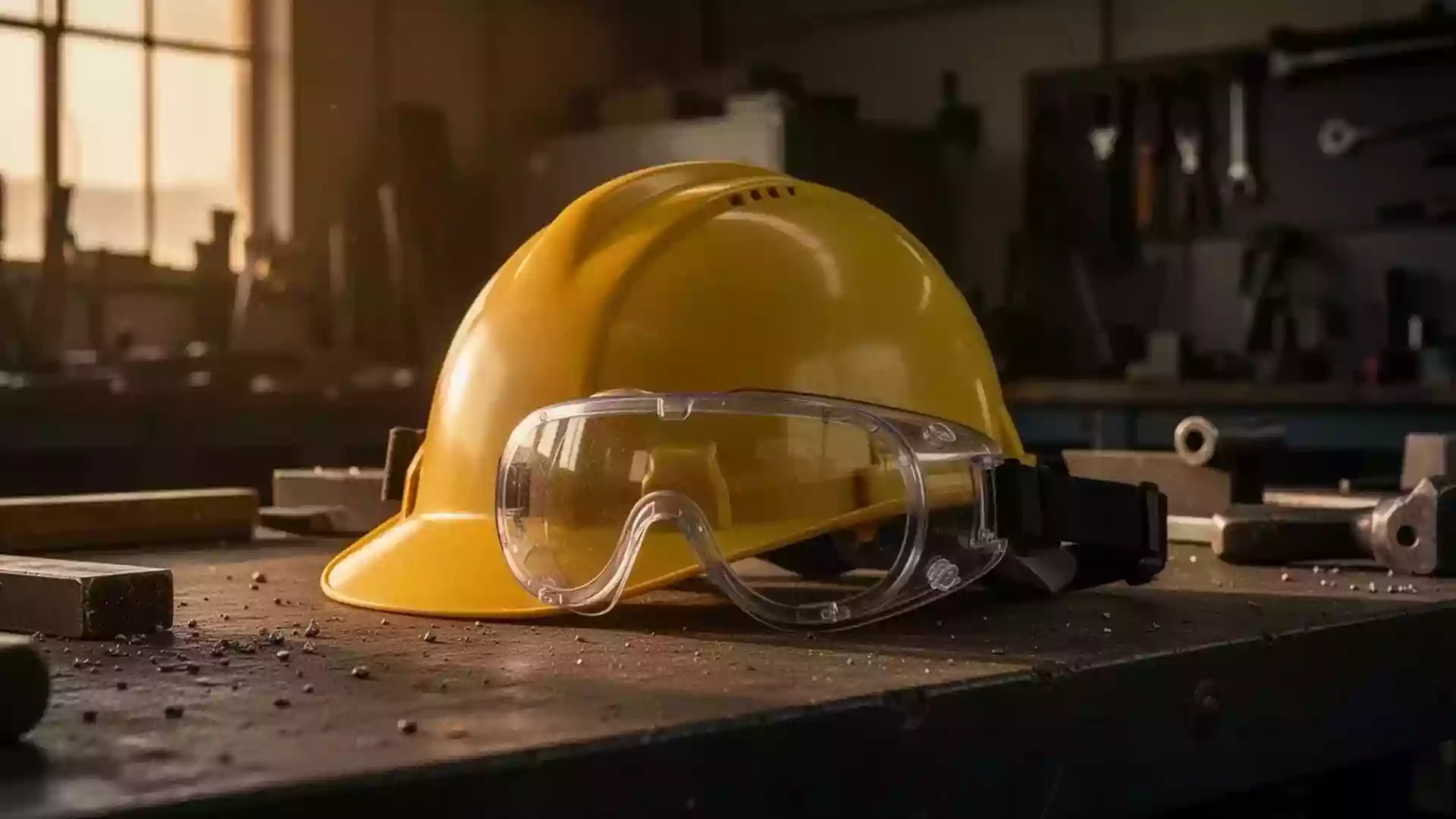
Tool choice matters as much as measurement. Fine-toothed saw blades and low-spark working methods are recommended, and limiting the cut depth by hand helps prevent an accidental strike on a concealed pipe. Personal protective equipment includes safety glasses, sturdy work gloves and, where needed, respiratory protection. A suitable fire extinguisher should also be kept within immediate reach of the workstation.
Some jobs are off-limits to do-it-yourselfers entirely. If the work comes close to verified pipe sections, involves the main line, or concerns installations in apartment buildings, a certified specialist contractor must carry it out. The same applies once a leak has been identified.
If you smell gas, stop
Work must halt immediately if gas odour appears or a warning device goes off. The immediate steps are to ventilate the rooms and leave the danger zone at once. Electrical switches must not be touched under any circumstances, to prevent sparks.
The emergency service should be called from a safe distance outside the building. Because natural gas is odourless in itself, a distinctive warning substance is added to it for safety reasons.
A simple check is possible at connections where household gas pressure typically sits in the millibar range: apply a soap solution made from two parts water and one part washing-up liquid. If bubbles form, there is a leak.
Dedicated electronic leak detectors pick up combustible gases early, while pressure gauges make a drop in system pressure visible. Improvised attempts at sealing are not permitted; standard-compliant testing and repairs require certification by qualified personnel.
The paperwork landlords and owners must keep
Responsibility for the gas installation rests with building owners and landlords from the main shut-off device, which is often located right next to the gas meter.
The Technical Rules for Gas Installations (Technische Regeln für Gasinstallationen) set out specific inspection duties: alongside an annual documented visual inspection that includes maintenance of all gas appliances, a comprehensive serviceability check by an approved specialist firm is due every twelve years.
Complete inspection records are essential, since they serve as evidence in court if damage occurs — and missing documentation can give rise to claims for compensation.
The risk extends underground
Dangers are not confined to the inside of a building. Trench and earthworks near buried gas mains carry their own hazards, and the Polish distribution network operator Polska Spó?ka Gazownictwa runs public information campaigns on the subject, including through municipalities such as Stopnica, B?onie and Radzionków.
To minimise damage to infrastructure, excavation work near pipelines must be registered in advance. Digging directly alongside a gas pipe may only be done by hand before machinery is brought in. If a line is damaged, the area must be evacuated and secured, and the emergency number called.