Tesla's Cybertruck Order Book Outruns the Assembly Line, and Buyers Are Getting Their Money Back
Published on 11/11/2026 at 03:02 | Editorial boerse-global.de
Tesla has more Cybertruck orders than it can build before the truck's production line is torn down — and CEO Elon Musk says many customers will simply get their deposits back. The admission, reported by Reuters on Monday, turns an abstract strategic pivot into a hard number for shareholders: demand exists, but the company has decided not to chase all of it.
The refunds stem from a timing squeeze rather than a collapse in interest. Musk said orders exceed available production capacity, and Tesla intends to build as many vehicles as possible before the line is shut down in roughly eight months. On Saturday, the company had already moved to buy itself room, announcing an extra Cybertruck production shift to work through the outstanding backlog ahead of the conversion.
A line that has to serve two masters
That extra shift is the most demanding piece of the whole realignment. Tesla must keep delivering to waiting customers while simultaneously preparing the same floor space for a different product. Musk has pegged the dismantling of the Cybertruck line for the Cybercab build-out at around June or July 2027, giving the company a fixed deadline against which progress on both fronts can be measured.
The backdrop is a model whose sales have been persistently weak. Reuters reported on Friday that sluggish Cybertruck demand underpinned the decision to end production. Musk's Monday remark about orders outrunning capacity strikes a different note, and the two statements describe different things: past sales on one hand, the limited production window that remains on the other. A shrinking runway can become a bottleneck even while the decision to stop building the truck for good stands unchanged.
Should investors sell immediately? Or is it worth buying Tesla?
For investors, the tension sits in that pairing. Tesla wants to fill additional Cybertruck orders and is holding firm to the end of the line at the same time. Such prioritization can convince — provided the freed-up capacity generates more economic value in Cybercab form than the forgone truck orders would have delivered.
Wall Street warms as the factory floor is redrawn
Sentiment on the equity has brightened. William Blair upgraded Tesla from "Market Perform" to "Outperform" yesterday, a friendlier analyst verdict arriving alongside the contentious production overhaul. The upgrade fits a more optimistic reading of the shift, though no rationale for the ratings move can be derived from it.
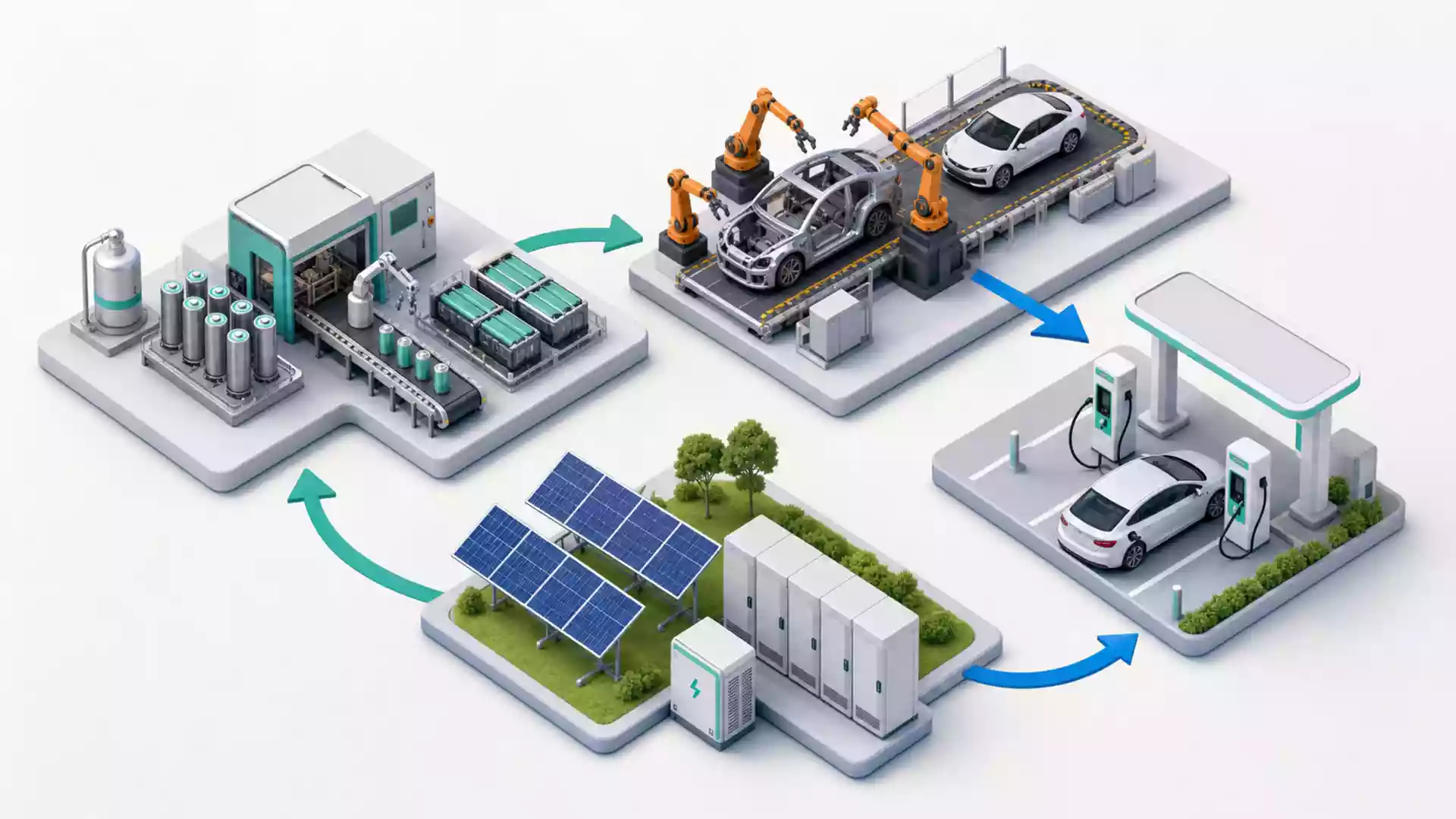
What the factory itself makes plain is the scale of the bet. Choosing between vehicle manufacturing and a robotaxi business is a decision that lands on the shop floor, where machines, assembly lines and available capacity give the strategy physical form. For Tesla, the vision of a company oriented more heavily toward autonomous mobility now carries a very tangible price tag.
The demand picture also runs on two clocks. A limited remaining production window can turn into a constraint while the decision against a permanent continuation of the truck remains in place. Tesla deserves credit for its willingness to prioritize, so long as it backs its more promising projects with conviction. Weighing against that are the customer refunds — a concrete consequence of the change of course.
San Antonio extends the map
The robotaxi rollout belongs in the same frame. On Monday, Tesla was reported to have launched service in San Antonio, its fifth Texas city, with local reports describing a driverless operation. The coverage area is said to span the downtown and adjacent districts out to The Shops at La Cantera and Six Flags Fiesta Texas. A geographic expansion of the service now sits opposite the planned ramp-up of Cybercab production.
The bull case rests on a single condition: Tesla would need to extract greater benefit from the new production priority than from continuing the old capacity allocation. A successful execution could justify the Cybertruck restrictions, if the capacity switch actually becomes productive. The additional shift could meanwhile help serve part of the existing order book before the changeover.
The bear case starts with the demand already on the books. Tesla is planning the conversion despite an order overhang, which creates an economic risk if future use of the line fails to match the lost contribution from those orders. A scheduling conflict could compound it. If clearing the remaining backlog needs more capacity than planned, it could complicate the switch; if Tesla instead holds strictly to the timetable, refunds would make the limits on Cybertruck output tangible for more customers.
Tesla at a turning point? This analysis reveals what investors need to know now.
The combination investors would least welcome is limited order fulfillment on the existing product paired with delays on the new production focus — a scenario in which Tesla surrenders present demand before the expected payoff of the conversion comes into reach.
What to watch before the line goes dark
As long as Tesla can reconcile the Cybertruck deliveries still planned with the capacity change that follows, the concentration on Cybercab remains a defensible strategic option. Should that sequence stall, the risk of an economically disadvantageous transition period gains weight.
The concrete anchor is the June or July 2027 dismantling date Musk has named, with the extra shift meant to clear outstanding orders before then. Progress on that backlog — and on the announced rebuild — will therefore drive the next leg of the valuation debate.
That leaves shareholders with a straightforward question: can Tesla execute the switch consistently and convincingly? An orderly handover of capacity would be the positive outcome. A path in which refunds multiply while the planned expansion slips would be the one to fear.
Ad
Tesla Stock: New Analysis - 11 November
Fresh Tesla information released. What's the impact for investors? Our latest independent report examines recent figures and market trends.