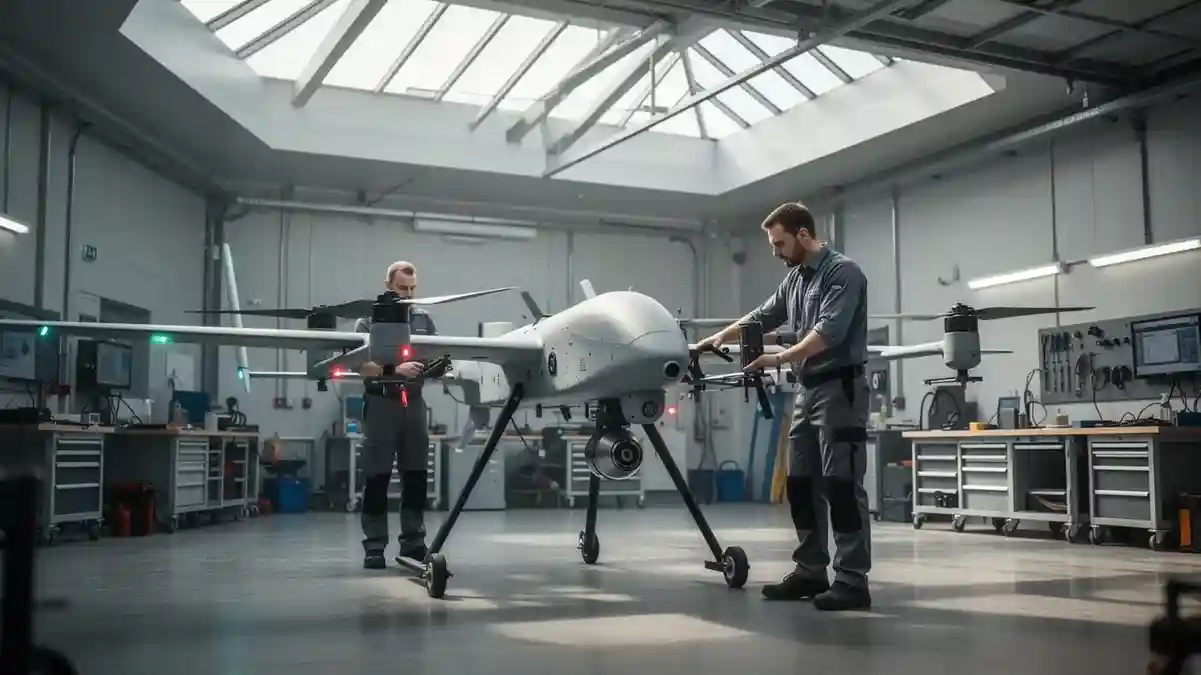
Volatus Aerospace: A C$50.6 Million Cash Cushion, a C$101.7 Million Backlog, and a November Deadline That Matters
Published on 11/13/2026 at 05:01 | Editorial boerse-global.de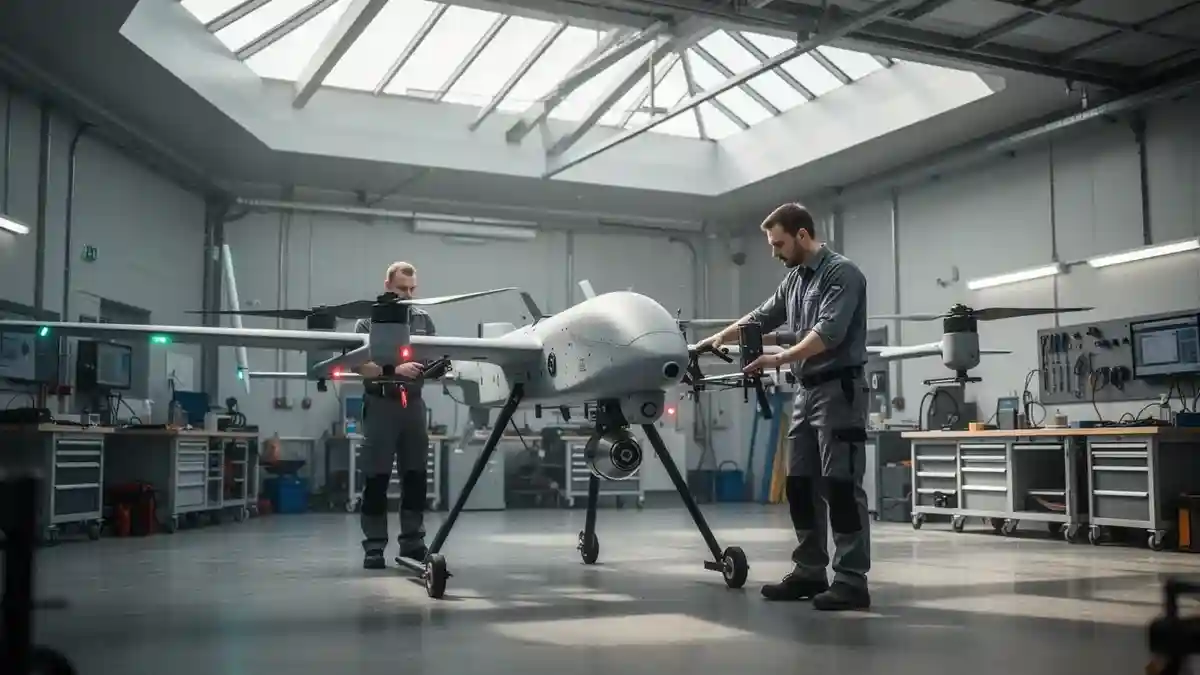
Volatus Aerospace has given investors two numbers to weigh against each other. One is the C$50,605,356 sitting in its bank account at quarter-end, disclosed on Tuesday. The other is the C$101.7 million in contracted work the company says it holds, with delivery expected to run through 2031. Between those figures lies the question that will decide the investment case: can the drone maker convert technical capability and signed paper into revenue that carries a margin?
The cash position matters because it buys time. Volatus can fund its next development steps, provided the money is steered toward products it can actually deliver and contracts it can actually execute. That transition — from engineering promise to a commercially viable business — is where the story now turns.
Where the numbers stand
Third-quarter 2026 revenue came in at C$10,512,712, a 24.9% increase over the prior quarter. Gross margin was 30.4%. The company also reported an adjusted EBITDA loss of C$2,861,177 and a net loss of C$6,182,288.
The top-line improvement is encouraging only if further deliveries and contract execution keep it going. A single stronger quarter gains economic weight when it hardens into a more dependable pattern of business, which is why the link between sales growth and earnings power deserves close attention.
Should investors sell immediately? Or is it worth buying Volatus Aerospace?
Over the first nine months of 2026, revenue reached C$24,562,101 — down 8.7% from the year-earlier period. Management attributed the decline to delayed commercial order awards and deliveries of ISR systems. That explanation ties the liquidity question directly to the business model: when deliveries slip, financial headroom becomes valuable, and a smoother delivery pipeline would make the backlog more meaningful once it shows up in booked revenue.
The delivery test arrives within weeks
CEO Glen Lynch said Tuesday that Volatus aims to ship the first 100 systems to the Canadian Armed Forces by late November or early December. That would put the company ahead of a September 2027 schedule and gives the coming weeks a concrete operational checkpoint.
The five-year Canadian government contract covers an initial order of 100 systems plus options on as many as 4,900 more. Those options hold additional potential — but only if they turn into orders. A favorable read on that potential therefore depends on sequential proof: first the initial order delivered, then possible follow-on purchases. The more solid those steps, the better the longer-term business outlook can be judged.
Margins, not just revenue, set the bar
The starting position demands a strict yardstick. Even a successful delivery could leave the earnings improvement short of expectations, particularly if added revenue arrives at weaker margins or if costs swallow a larger share of gross profit. A slip in the targeted delivery window would likewise weaken the near-term thesis, pushing the expected economic effect further out while the multi-year backlog continues to offer perspective.
Adjusted EBITDA is the gauge to watch, because it ties the question of new business to the burden of running costs. A more favorable trajectory would support the view that Volatus can extract real value from its contract book. A durable improvement would require revenue, gross margin and operating expenses to move in step; rising sales would be most convincing if the adjusted operating loss fell at the same time. Investors should read the next delivery alongside the financial reports that follow — only that combination shows whether execution strengthens the income statement too.
Volatus Aerospace at a turning point? This analysis reveals what investors need to know now.
Manufacturing and technology partnerships fill out the picture
On the industrial side, FDC Aero Composites has been selected to produce V-100 composite airframes and tooling, with deliveries to the Mirabel site expected in the fourth quarter of 2026. A cooperation agreed last week with Calian Group and Instrumar fits the same arc: the companies will examine ice detection, de-icing and Arctic operating capability for unmanned aerial systems. That memorandum of understanding is non-binding and carries no financial obligations; further testing, integration or marketing would require separate agreements.
The contract book includes customer options worth up to C$26 million, so valuation hinges both on executing existing work and on customers deciding to take up additional scope. The investor's gaze has to travel from signature to actual delivery.
For now, the positive case gains substance if Volatus holds its delivery window and then shows progress on earnings. Should execution stall or results stay weak, a more cautious reading of the backlog is warranted. The next catalyst is the targeted shipment in late November or early December; after that, what counts is operational follow-through paired with financial effect. A credible re-rating would rest above all on Volatus advancing both at once.
Ad
Volatus Aerospace Stock: New Analysis - 13 November
Fresh Volatus Aerospace information released. What's the impact for investors? Our latest independent report examines recent figures and market trends.