Vulcan Energy: A 5.3% Slide, a 64-Litre Well Test, and Two Bank Filings That Prove Less Than They Appear
Published on 10/23/2026 at 10:30 | Editorial boerse-global.de
Vulcan Energy shares fell 5.3% on Wednesday, caught in a broad selloff of Australian lithium stocks as demand worries weighed on the sector. The trigger, according to media reports, was the European Union's decision to cap Chinese hybrid vehicle imports at 350,000 units a year — a demand-side blow to the lithium complex rather than anything specific to Vulcan.
That distinction matters. No fresh operational setback from the company accompanied the drop; the pressure came from the sector, and a weak market backdrop is not the same thing as a deteriorating business.
Two filings, one caution
On the same day, JPMorgan Chase & Co. disclosed a stake of 5.38% in Vulcan's voting rights, and Citigroup's position rose from 8.1917% to 9.6615%. Both disclosures include interests from securities lending and proprietary trading positions, which means neither can be read as a straightforward purchase of stock in the market. A prominent name on a regulatory filing is not an investment verdict, and it offers no evidence that either institution has formed a view on Vulcan's operating prospects.
That cuts both ways. The filings say nothing negative about the banks or about Vulcan — they simply carry less signal than their headline size suggests. What they document is a notifiable position and its legal allocation, not a project milestone or an improvement in the company's economics. Anyone reading them as a joint vote of confidence from big banks is assigning more meaning than the paperwork supports.
Should investors sell immediately? Or is it worth buying Vulcan Energy?
The stronger evidence comes from underground
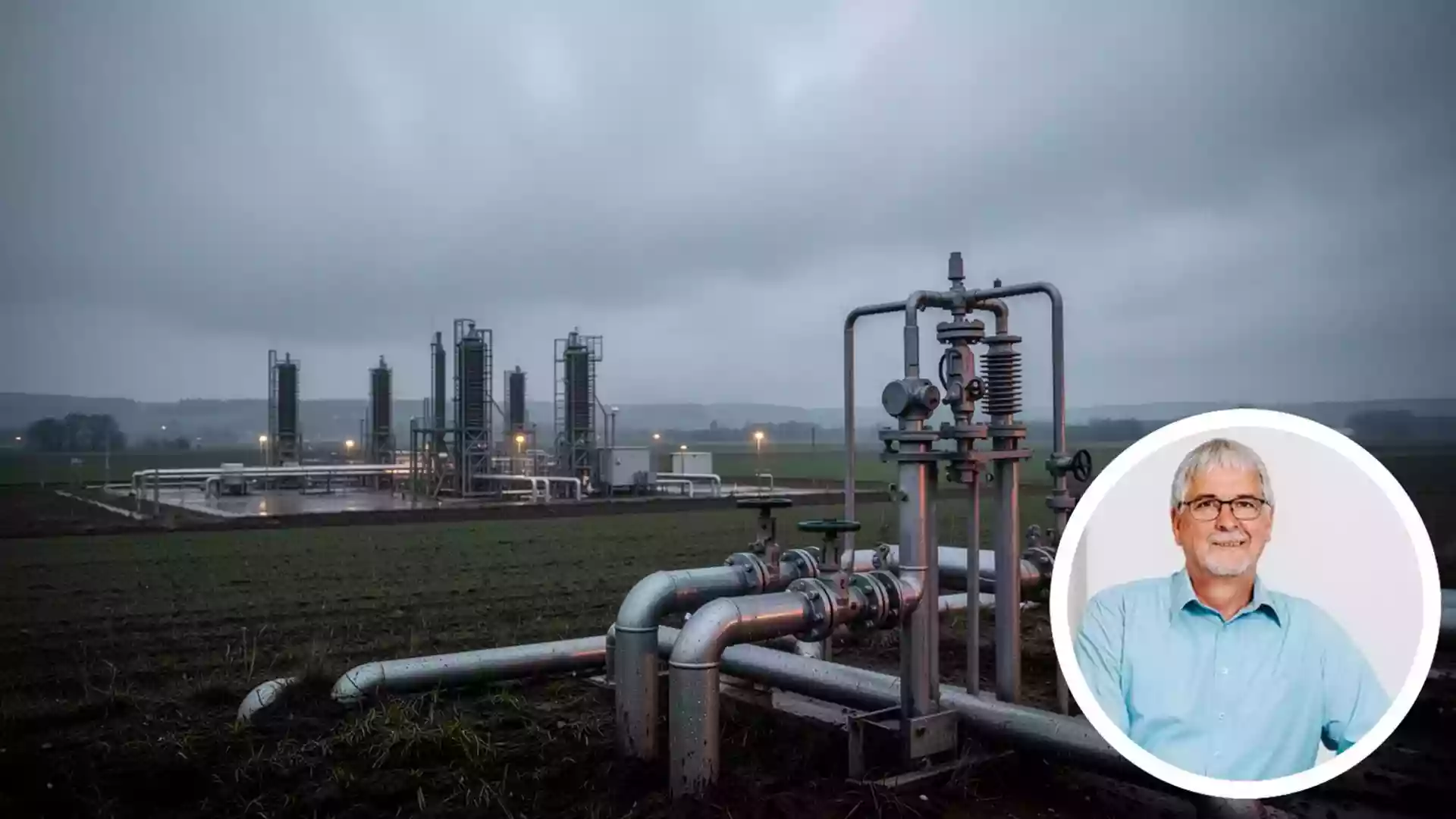
Far more telling, in our view, is last week's reinjection test at the LSC-3a well in Schleidberg. Vulcan put the estimated matrix injection capacity under planned operating conditions at roughly 64 standard litres per second, against the approximately 40 standard litres per second the company had pencilled in for the injection wells at its Lionheart project. The result, per the company, confirms a key component of the base case and reduces subsurface uncertainty — a concrete development assumption tested and supported, rather than a voting-rights line moving.
The findings are to feed into planning for the LSC-4 and LSC-5 wells. That is where the real value sits: the data can shape the next stage of work. Whether it translates into added efficiency has yet to be demonstrated.
Scope discipline is essential here. A successful test backs specific project assumptions; it does not prove that every subsequent development step will unfold the same way. Keeping that line clear actually makes a positive reading more defensible — the progress does not need to be inflated into a comprehensive success to be economically meaningful.
A second building block arrived about two weeks ago, when Vulcan reported commercial production in Germany of VULSORB, its own lithium extraction adsorbent. The material serves the first-fill volumes ahead of the planned start-up of Lionheart in the second half of 2028. That production launch is a preparatory step; the project's commissioning remains a scheduled event. The two should be neither conflated nor played off against each other.
What the September quarter has to answer
The September quarterly report is the next checkpoint for judging operational momentum, and what additional detail Vulcan will provide in it is not being pre-empted here.
Vulcan Energy at a turning point? This analysis reveals what investors need to know now.
As long as technical progress is underpinned by traceable implementation steps, the bull case remains arguable. If demand worries entrench themselves, or if further operational disclosures fail to convince, the risk scenario gains weight. The risk sits in a double expectation: investors may be assuming both a swift sector recovery and additional operational confirmation. Should either premise fail, the foundation of the positive scenario weakens.
There is a counterargument worth taking seriously. Technical advances do not shield a stock from a weak sector — a successful well test, after all, does not answer the question of future lithium demand. Should the reported demand concerns persist, investors may greet even good company news with restraint.
Our conclusion is therefore a measured one. The operational advances point to growing technical assurance on individual project assumptions. The stake disclosures justify no additional euphoria. Vulcan's more persuasive arguments are the verifiable development steps — not the lustre of big bank names.
Ad
Vulcan Energy Stock: New Analysis - 23 October
Fresh Vulcan Energy information released. What's the impact for investors? Our latest independent report examines recent figures and market trends.