
Chicago 2026: Why the Legendary Band’s Tour Still Hits Hard
10.02.2026 - 18:12:27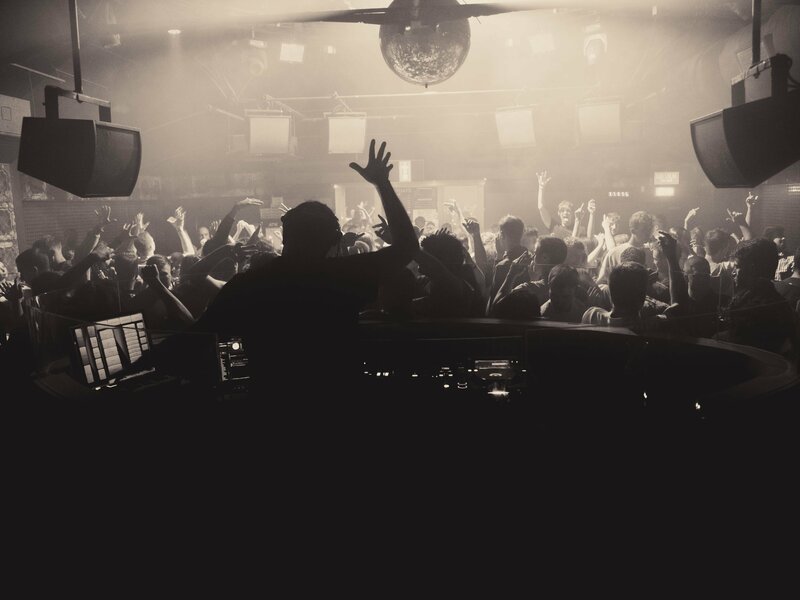
You can feel it across TikTok comments, classic rock Reddit threads, and every time "Saturday in the Park" randomly hits your playlist: people still care deeply about Chicago. Not in a distant, "my parents liked them" way, but in a very now, very real, "wait, should I finally see them live?" kind of way. With fresh tour dates keeping their calendar full and fans hunting for the perfect night to sing along to "If You Leave Me Now", the buzz around Chicago in 2026 is quietly massive.
And if you're even half-considering grabbing tickets, you'll want to see what's actually happening on this run, how the setlist looks, and what other fans are saying before the best seats vanish.
Check Chicago's official 2026 tour dates & tickets here
Chicago aren't just doing a nostalgia lap. They're proving, night after night, why this band has survived every musical trend you can think of and still walks into packed venues full of three different generations singing the same horn lines back at them.
The Backstory: Breaking News in Detail
Here's the big picture: Chicago in 2026 are in their elder-statesman era, but it doesn't feel sleepy. The band has leaned fully into their status as one of the most successful American rock bands of all time, while still tweaking shows and lineups so each tour feels fresh rather than museum-level frozen.
Recent announcements on their official channels have focused on extended US touring, festival appearances, and carefully chosen co-headline or special-guest nights. While they haven't dropped a surprise new studio album out of nowhere, they've kept releasing live recordings, archival content, and reissues that give fans more to chew on between gigs. Interviews with band members over the last year have made one thing clear: touring is still the heartbeat of Chicago.
In conversations with major music outlets, long-time members have talked about a kind of second life for the band. Streaming has pulled Gen Z and younger millennials into their orbit. Iconic tracks like "25 or 6 to 4", "You're the Inspiration", and "Hard to Say I'm Sorry" keep landing on curated playlists and trending on short-form video, which means every tour leg pulls in people seeing them for the very first time, standing next to fans who've been there since the '70s.
On the touring front, Chicago's official site shows a heavy focus on North America, with multiple city runs and a clear emphasis on classic venues and outdoor amphitheaters. Think iconic sheds, casinos that double as live-music hubs, and summer spots where a horn section just sounds better under open skies. While European runs have been more selective, the global interest is obvious from comment sections full of fans in the UK, Germany, and beyond asking, "When are you coming back here?"
Crucially, the band isn't just tossing the same show at you year after year. They've been subtly rotating deep cuts, adjusting arrangements, and leaning into the songs that stream the heaviest. That makes a lot of sense: if your algorithm recently fed you "Beginnings" or "Does Anybody Really Know What Time It Is?", you want to hear those live, not just the power ballads that dominated '80s radio.
The implication for fans is simple: if you've skipped past tours because you assumed it would be the exact same greatest-hits package you saw a decade ago, 2026 is a good time to rethink that. The core of the show is absolutely the hits, but the details are evolving, and the band is playing like they still have something to prove every night.
The Setlist & Show: What to Expect
If you're the type who checks setlist sites religiously before you buy a ticket, Chicago's recent shows give you a pretty clear template for what 2026 looks like. The structure changes slightly city to city, but certain anchors keep holding everything together.
You can almost guarantee to hear:
- "25 or 6 to 4" – the signature riff, still a total monster live. It usually lands late in the set or as a closer, and even casual fans recognize it three seconds in.
- "Saturday in the Park" – arguably the biggest sing-along of the night. People film this one the most; scroll fan videos and you'll see entire crowds shouting the chorus.
- "If You Leave Me Now" – the ballad that breaks even the toughest dad in the audience.
- "You're the Inspiration" and "Hard Habit to Break" – the '80s power-ballad era that TikTok has quietly rediscovered.
- "Beginnings", "Does Anybody Really Know What Time It Is?", and "Make Me Smile" – the horn-driven, jazz-rock roots that remind you this band started out daring and weird.
Recent setlists often run in two acts or with a short intermission, almost like a theater show. The first half leans more into the early, horn-heavy era: long intros, intricate arrangements, and moments where individual players get to flex hard. The second half pushes more toward the chart-topping ballads and the big, wide-chorus hits. That structure works: older fans get their deep musicianship fix, newer fans get the songs they know from playlists and movie soundtracks.
Atmosphere-wise, don't expect a mosh pit. But that doesn't mean the room is dead. Chicago's fanbase has become this really specific mix: original-era fans, '80s kids who grew up with the power ballads, and younger listeners pulled in by algorithm magic. You'll see vintage tour tees next to fresh merch, people in their 60s filming on their phones right beside teenagers doing the same thing for TikTok. When the horn section rips into "Introduction" or the band hits the first big chorus of "Too Much Time on My Hands" if they sneak in a Styx co-bill cover on certain dates, the energy spikes in a way no classic-rock playlist can replicate.
Musically, Chicago still build the show around those brass parts. Live, that's the thing that separates them from every other legacy rock act still touring. Guitar solos are great, but a tight horn section hitting in sync over a huge chorus? That's a different level of goosebumps. Over the last few years, fans have pointed out how strong the current lineup sounds vocally as well. With multiple singers trading leads and harmonies, songs like "Old Days" and "Just You & Me" feel surprisingly fresh, not like tired covers of their own catalog.
Fans keep noting in reviews that Chicago shows are long, generous, and low on filler. You're not getting a polite 70 minutes; you're getting a proper night out, packed with songs you recognize and a handful you&aposll probably go home and add to your library. If you&aposre the "I'll just go for the hits" type, odds are good you leave with three new favorites.
What the web is saying:
Rumor Mill: What Fans Are Speculating
Chicago don't operate in the same drama ecosystem as pop stars, but that doesn't mean there isn't a rumor mill quietly grinding away in Reddit threads and comment sections.
One recurring fan theory: a special anniversary focus on the early '70s albums. Every time a big anniversary year rolls around for those first records, fans on r/music and classic rock subreddits start speculating about whether the band will build a tour segment around full-album performances or deep-cut medleys. You'll see posts begging for more love for tracks like "Questions 67 and 68" or "Poem 58". While the band hasn't fully gone into "we're playing this album front to back" mode, they have sprinkled in more vintage material when it makes sense, which just keeps the speculation alive.
Another hot topic: ticket prices and VIP packages. Like pretty much every legacy act still selling big venues, Chicago attract some criticism for the price of prime seats and meet-and-greet-style add-ons. Threads pop up comparing what you pay to see them versus newer acts. But what stands out is how often fans who actually went to the show jump in to say it was worth it: long set, polished production, and a band that doesn't phone it in. If you&aposre on the fence, that's the pattern—sticker shock online, gratitude after the fact.
Then there's the inevitable "new music vs. legacy" debate. Some fans argue that Chicago should put more energy into new studio work, while others are perfectly happy with live albums, special editions, and tours that highlight the classics. On TikTok, you&aposll see younger fans discovering individual songs via edits and then working backward through the catalog, which has sparked hopes for more unexpected deep cuts in the set. A viral edit using "Street Player" or the horn riff from "Beginnings" is sometimes enough to set off new calls for that track to show up live again.
There's also quieter whispering about potential collabs. With so many modern pop and indie artists openly influenced by '70s horns and yacht rock vibes, fans love to fantasy-cast who Chicago could team up with—think younger singers stepping in on a verse, or a live-TV performance with a contemporary pop star who grew up on their parents' Chicago vinyl. Nothing official there, but the appetite for a cross-generational moment is real, especially online where mashups and edits already pair Chicago tracks with completely new visuals.
And of course, every time a tour leg ends, the question bubbles up again: Is this the last run? That's basically the background noise of any long-running rock band now. The band themselves tend to keep it measured—grateful, realistic about age and logistics, but not hammering a fake "farewell" narrative. If anything, that's made fans more protective: the vibe in comment sections is often, "See them while you can, because you'll regret it if you don't."
Key Dates & Facts at a Glance
| Type | Detail | Why It Matters |
|---|---|---|
| Tour Info | Official 2026 Chicago tour dates | Most up-to-date list of cities, venues, and ticket links. |
| Typical Set Length | Roughly 2+ hours, often with an intermission | Plenty of room for hits, deep cuts, and solos. |
| Core Era Songs | "25 or 6 to 4", "Saturday in the Park", "Beginnings", "If You Leave Me Now" | These appear on the vast majority of recent setlists. |
| Audience Mix | Multi-generational: '70s originals, '80s fans, and younger listeners | Changes the energy: less nostalgia-only, more active fandom. |
| Streaming Presence | Millions of monthly listeners on major platforms | Keeps songs in rotation for Gen Z and millennials discovering them. |
| Style Live | Rock, jazz, pop, and horn-heavy arrangements | Makes their show stand out from guitar-only legacy acts. |
| Typical Venues | US theaters, casinos, and outdoor amphitheaters | Designed for good sound and big, sing-along crowds. |
FAQ: Everything You Need to Know About Chicago
Who exactly are Chicago in 2026—are there still original members?
Yes, Chicago in 2026 still includes long-time core members, alongside newer musicians who've stepped in over the years. Like pretty much every band that's been around for over five decades, the lineup has evolved, but what matters most to fans is whether the identity of the band is still intact. Judging by live reviews, the answer is yes. The horns, the layered vocals, and the mix of rock, jazz, and pop are still there. When they play the classics, they don't feel like a cover band version of themselves—they feel like a modern incarnation of the same machine.
What kind of fan will actually enjoy a Chicago show?
If you grew up with Chicago on the radio, this is basically your comfort zone. But the surprise is how well they work for younger fans who just love strong melodies and live musicianship. If you're into artists that blur genre lines, horns in modern pop, or big emotional choruses, you'll probably be into this even if you've never done a deep discography dive. A typical Chicago audience now is: people in their 50s and 60s who've seen them multiple times, couples in their 30s and 40s chasing a date night built around songs they both know, and younger friends or kids dragged along who end up reluctantly impressed by how tight the band is live.
How should you prep for the concert if you're a casual listener?
You don't have to prep—show up and you'll still know more songs than you expect. But if you want to go in feeling fully locked in, build a short playlist with the obvious essentials: "25 or 6 to 4", "Saturday in the Park", "If You Leave Me Now", "You're the Inspiration", "Hard to Say I'm Sorry", "Make Me Smile", "Beginnings", and "Does Anybody Really Know What Time It Is?". Then throw in a couple of later-era tracks or live versions. Listen once or twice in the week before the show, and you'll find yourself way more emotionally invested when those opening chords hit in real life.
What's the vibe in the venue—sit-down theater or full-on party?
It's a mix, and that's part of the charm. During big ballads, people sit, sway, and sing. When the band kicks into more driving tracks, especially anything from the early '70s or the rockier cuts, you'll see whole rows jump to their feet. Some venues are more strictly seated and polite, others turn into near-festival energy depending on the city and night. Expect a lot of phone lights during slower songs and a ton of filming when the horn section goes off. If you want to stand and move, aim for aisle seats or higher tiers; if you're more about absorbing the show, mid-theater seats or closer rows can be perfect.
Why do people still care about Chicago when there are so many newer bands?
Because Chicago sit at this unusual intersection of songcraft and musicianship. They didn't just write earworm choruses; they built arrangements that still feel sophisticated and musical decades later. In an era where a lot of pop is built on laptops, there's a growing respect for bands that can walk onstage and fill a room purely with human playing. Chicago's horn section is a huge part of that—hearing those lines live feels different from hearing them through headphones. Plus, nostalgia is powerful, but it only carries you so far; the reason people come back again and again is because the shows are actually good.
Are there any surprises or deep cuts you might hear?
Yes, and that's part of the fun if you're a long-time fan. While the hits are locked in, recent tours have seen the band rotate in less obvious tracks from their early records and mid-period albums. You might catch something like "Questions 67 and 68" popping up when you don't expect it, or a medley that touches on songs casual fans don't know by name but older fans absolutely lose their minds over. They also sometimes rework arrangements slightly—stretching solos, shifting vocal lines, or letting the horns take an extended spotlight. That keeps the show from feeling like a strict museum piece.
How do you actually get the best info on dates and tickets?
Always start at the source. Chicago's official tour page is the most reliable hub for confirmed dates, venue details, and ticket links. Secondary ticketing sites and random social posts can lag behind when shows are added, moved, or sold out. If you're trying to plan a trip around a specific city or date, keep an eye on that official page and consider signing up for venue newsletters too—they're often the first to send notice of pre-sales, added shows, or last-minute seat releases.
Bottom line: Chicago in 2026 aren't just coasting on a name. They're still doing the work onstage, still pulling together multi-generational crowds, and still making the case that live horns, real players, and huge songs can cut through any algorithm. If those opening piano notes or horn stabs have ever given you chills through a speaker, hearing them in a room full of people who all know the words is on a completely different level.
@ ad-hoc-news.deHol dir den Wissensvorsprung der Profis. Seit 2005 liefert der Börsenbrief trading-notes verlässliche Trading-Empfehlungen – dreimal die Woche, direkt in dein Postfach. 100% kostenlos. 100% Expertenwissen. Trage einfach deine E-Mail Adresse ein und verpasse ab heute keine Top-Chance mehr. Jetzt anmelden.


