BYD’s Overseas Gambit from Hungary to Formula One Fails to Lift Stock Out of Oversold Territory
20.06.2026 - 16:33:48 | boerse-global.de
The numbers tell a story of two BYDs. On one side, a flood of 150,000 pre-orders for the new Great Tang electric SUV, an 80% surge in exports, and a flurry of global expansion moves from a Hungarian factory to a potential Formula One sponsorship. On the other, a home market in freefall — down 24% in May, the 13th straight monthly decline — and a stock that closed Friday at €8.90, barely a hair above its 52-week low of €8.82. The shares have lost roughly 35% over the past twelve months, and the relative strength index of 25.6 points to technically oversold conditions.
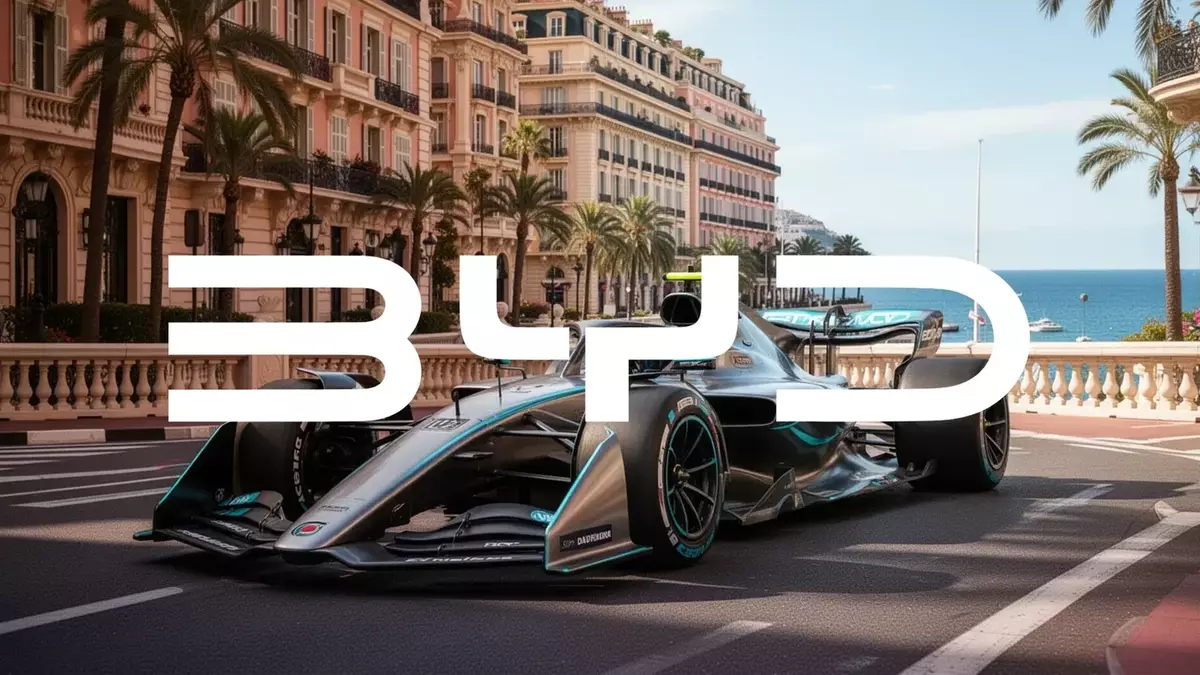
That technical distress has not deterred the automaker from an aggressive international push. BYD is weighing an entry into Formula One, though it would likely take the form of a sponsorship rather than a full-blown team — the latter would require hundreds of millions in entry fees alone, plus the cost of factories and wind tunnels. A pure sponsorship, by contrast, would cost tens of millions annually and bypass the sport’s strict technical regulations. The move risks rubbing shoulders — and clashing — with established players such as Ferrari, Mercedes and Ford, but it fits neatly into a broader brand-building blitz. Next month at the Goodwood Festival of Speed, BYD will erect its largest-ever display, covering over 2,000 square metres, showcasing the main brand alongside the Yangwang models and officially launching its Denza premium sub-brand in the United Kingdom.
The marketing offensive is backed by concrete production moves. In Hungary, BYD will begin building its first European factory, with output slated to start in the fourth quarter of 2026. The facility is designed to sidestep EU punitive tariffs on Chinese-made EVs and mark the Great Tang’s entry into the region’s premium segment. Meanwhile, in Brazil, the company plans to invest roughly $100 million in a new production line for stationary battery storage. By early 2027, vehicles assembled locally should achieve 50% domestic content.
Should investors sell immediately? Or is it worth buying BYD?
Analyst sentiment offers a rare bright spot. On June 18, UBS raised its price target on BYD’s H-shares to HK$135 and reiterated a buy rating, citing May’s year-on-year sales growth — the first such increase since last September. The broker also noted that EV demand outside China has been firming since March, helped by rising oil prices, and called the full-year overseas target of 1.5 million units achievable, possibly even beatable.
Yet the home-market rot continues to weigh on the stock. China sales fell 24% in May, the 13th consecutive drop, even as exports jumped 80%. The political climate has also darkened: the US recently added BYD to a list of companies alleged to have ties to the Chinese military. On the chart, the stock sits far below its 200-day moving average, and while the oversold RSI hints at a short-term bounce, no sustainable turnaround is in sight. Should the price slip below €8.82, further downside may open up. For now, BYD’s global blitz has yet to win over the equity market — and the clock is ticking for its European marketing push to translate into hard sales numbers.
Ad
BYD Stock: New Analysis - 20 June
Fresh BYD information released. What's the impact for investors? Our latest independent report examines recent figures and market trends.