Gold Locked in $4,100–$4,200 Range as JPMorgan’s Steep Target Cut Contrasts with Robust Physical Buying
Veröffentlicht: 07.07.2026 um 16:13 Uhr, Redaktion boerse-global.de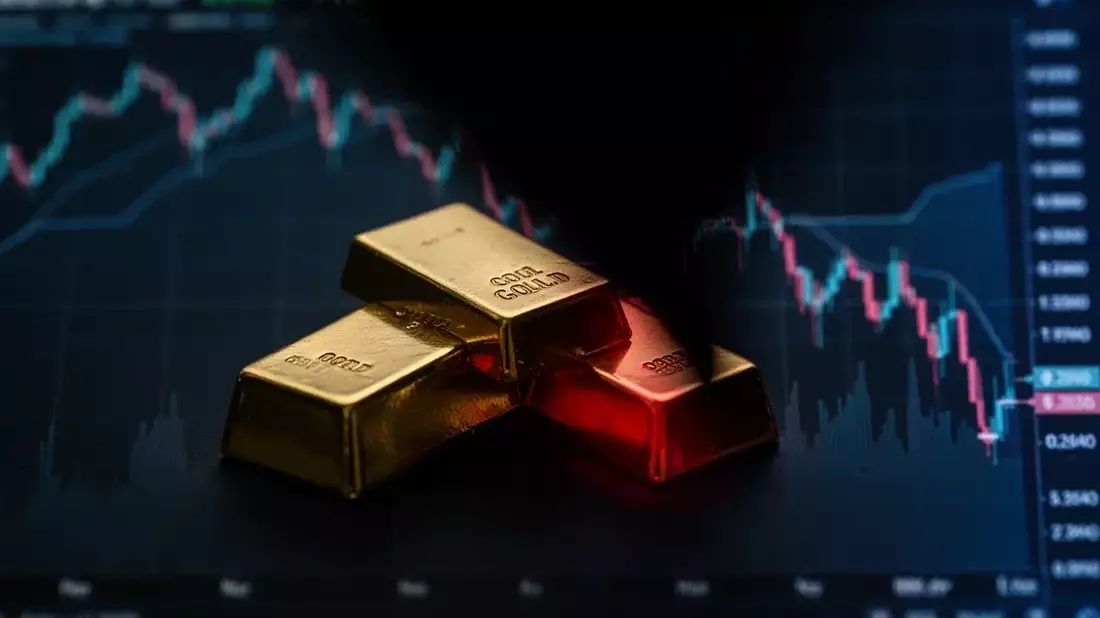
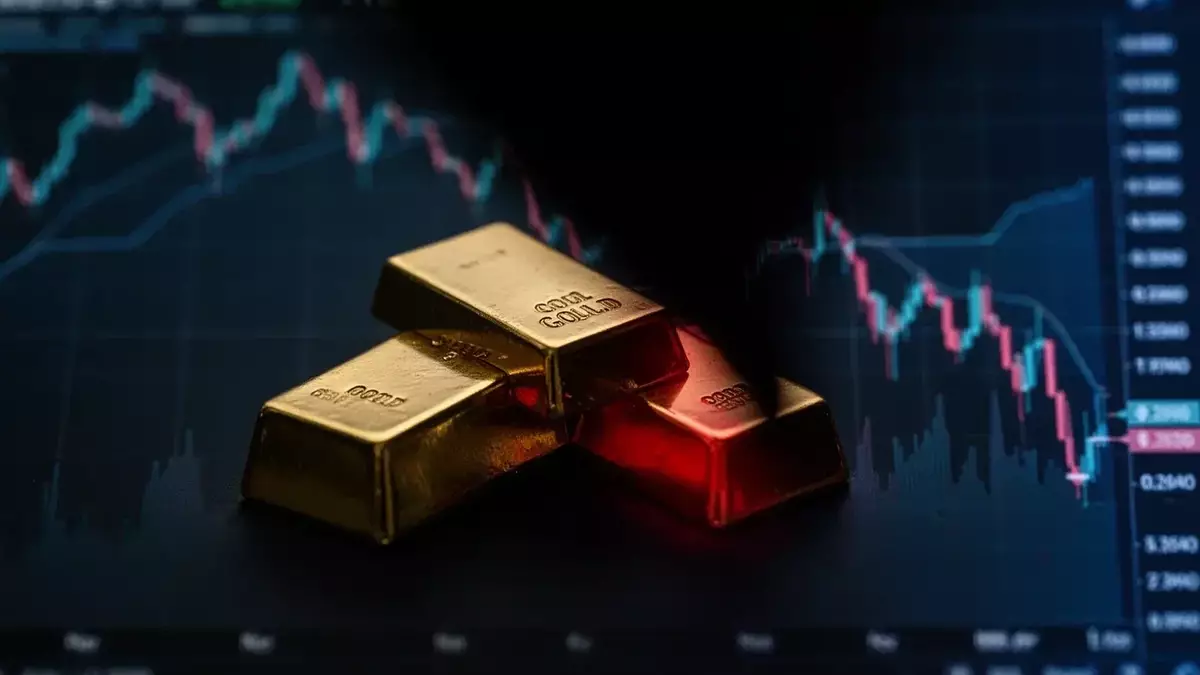
Gold is trapped in a tight trading band near $4,175, caught between a soured macro backdrop and stubbornly strong physical demand. After a brutal second quarter that analysts at Kettner Edelmetalle have labeled the weakest for the metal in decades, the price has stabilized but shows no sign of breaking decisively higher. On Monday, the yellow metal closed at $4,155.70 before sliding to around $4,141 during Asian trading, though it has since recovered to the $4,175 area. The seesaw action reflects a market deeply conflicted about the near-term outlook.
The rout that began in the spring erased roughly 23% of the value from the January record of $5,626.80 by June, and the metal now sits more than 26% below that peak — a loss that surprised many given the simultaneous outbreak of war in the Middle East, an event that historically bolsters haven demand. Analysts attribute the sell-off primarily to leveraged positions built by inexperienced speculators that were forced to unwind when sentiment turned, compounded by the Federal Reserve’s unabated tightening bias. Higher real yields and a stronger dollar — the greenback gained about 0.3% recently — have sapped the appeal of noninterest-bearing bullion, while ten-year US Treasury yields remain anchored near 4.45%.
Into that headwind came a stark warning from JPMorgan. The bank slashed its fourth-quarter 2026 gold target from $6,000 to $4,500 per ounce, a 25% cut that sent ripples through the market. The revision reflects expectations of diminishing demand growth and a still-hawkish Fed, though JPMorgan maintains a medium-term bullish view and anticipates a recovery by year-end. Standing in stark contrast is UBS, which holds firm on a 12-month target as high as $5,200, underscoring the deep division among Wall Street strategists.
Market participants are now turning to the Federal Reserve for clarity. The minutes from the June 16–17 FOMC meeting, due Wednesday, are expected to offer insight into how policymakers are weighing stubborn inflation against emerging economic softness. Recent data has painted a mixed picture: the ISM services index slipped to 54.0 in June from 54.5, and June payrolls came in at a tepid 57,000, which briefly fueled hopes for a dovish pivot. Yet the probability of a rate pause in July currently stands at 77%, leaving the door open for further tightening later in the year if inflation proves sticky.
Should investors sell immediately? Or is it worth buying Gold?
That uncertainty has kept gold pinned in a narrow technical range. Resistance is clustered between $4,200 and $4,225, while solid support lies in the $4,100–$4,130 zone. The relative strength index at 44.7 points to neutral territory, offering no directional bias. Distance to the 52-week low of $3,901.30 from last October is just 6.5%, meaning a break below support could quickly revisit those levels.
Beneath the price volatility, however, physical demand tells a different story. According to GOLD.DE Insights, 94% of user inquiries in June were buy-side, up from 90% a year earlier, with the classic 1-gram gold bar overtaking larger denominations as investors shift to smaller, more affordable units in response to elevated prices. At the Shanghai Gold Exchange, institutional buyers are paying a premium of roughly $20 over the global spot price — a premium analysts attribute not to jewelry but to large-bar institutional hoarding, likely from central banks.
The decoupling of gold from oil, meanwhile, adds an extra layer of portfolio appeal. The historic correlation between the two commodities, which was strong in the 1970s and 1980s, has fallen to around 0.15 and occasionally turns negative, according to Kettner Edelmetalle. That shift enhances gold’s diversification benefits at a time when many asset classes are moving in lockstep.
Gold at a turning point? This analysis reveals what investors need to know now.
In the near term, gold remains hostage to the Fed’s next move. Until the central bank signals a definitive shift away from tightening, the recovery is likely to be stepwise rather than explosive — a slow grind higher supported by structural buying from sovereign and retail investors, but repeatedly capped by dollar strength and elevated bond yields. Wednesday’s minutes may be the catalyst that finally breaks the $4,100–$4,225 range.
Ad
Gold Stock: New Analysis - 7 July
Fresh Gold information released. What's the impact for investors? Our latest independent report examines recent figures and market trends.