Portishead return to the spotlight in a new era for trip-hop
17.05.2026 - 01:18:50 | ad-hoc-news.de
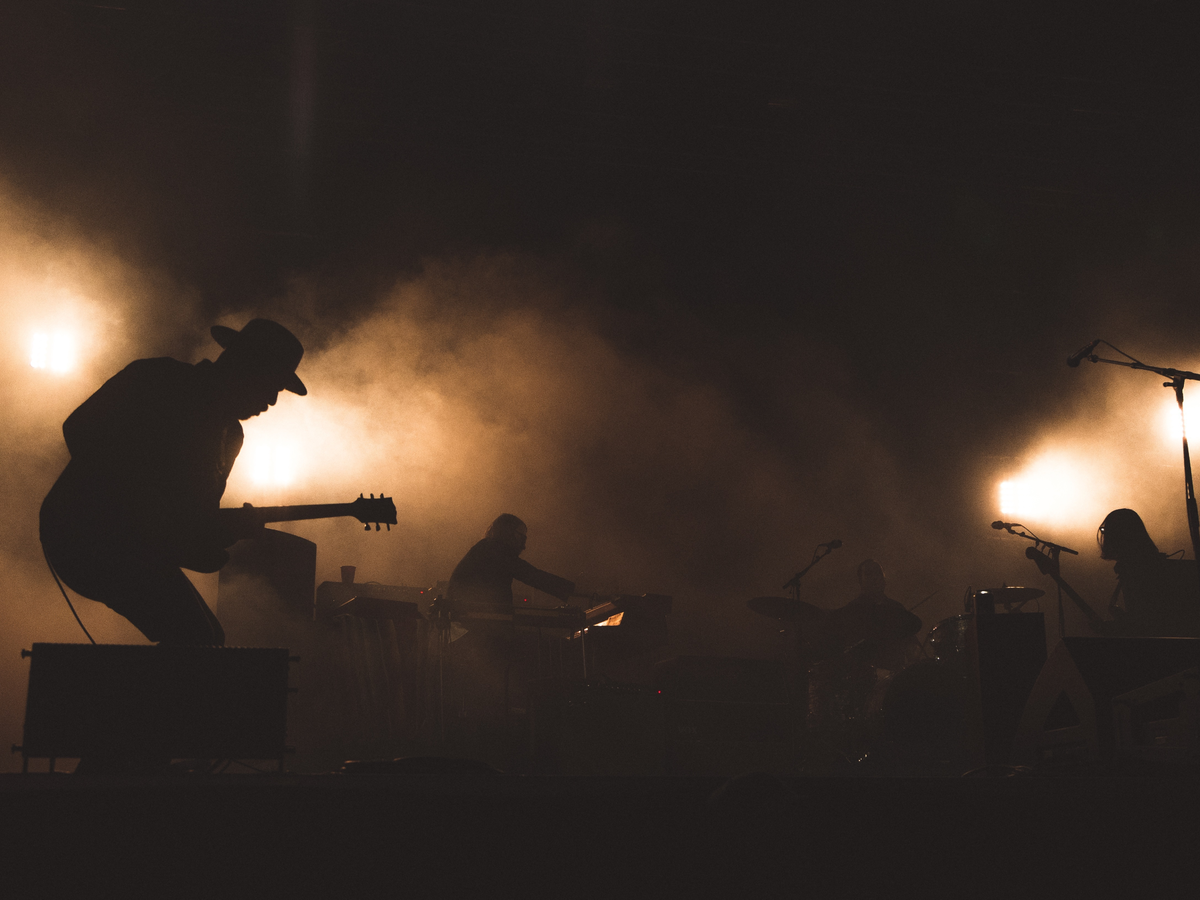
On a dimly lit festival stage in Barcelona in June 2022, Portishead stepped out for a brief reunion set that reminded fans across the United States why this elusive trio still defines the moodier edges of trip-hop. Even with no new studio album since the 2000s, the band’s influence keeps echoing through streaming playlists, film soundtracks, and late-night college-radio rotations.
Portishead’s current status and why their legacy feels newly urgent
There has been no official announcement of a new Portishead studio album, tour, or breakup as of May 17, 2026. Instead, the group exists in a liminal space that feels increasingly relevant in a streaming era obsessed with mood and atmosphere. Their three core albums — Dummy, Portishead, and Third — are being rediscovered by a generation that meets them first through playlists rather than record stores.
According to NPR Music, the band’s sporadic live appearances in the 2010s and early 2020s, including headlining slots at festivals like Coachella in Indio, California, have taken on the air of rare events rather than routine touring. Coachella’s 2008 lineup, where Portishead played one of their first US shows after a decade away, helped reintroduce them to younger American fans. The band has kept a low profile since performances around 2015 and a charity-focused return in 2022, but their catalog continues to gain streams.
Billboard reports that while Portishead never dominated the upper reaches of the Billboard 200 the way some contemporaries did, their 1994 debut Dummy became a sleeper hit in the United States, entering the chart and gradually building a cult following. The album’s long tail, boosted by CD reissues, vinyl revivals, and digital platforms, has turned it into a cornerstone of 1990s alternative music. As of May 17, 2026, the Recording Industry Association of America (RIAA) lists Dummy as certified Gold in the US, signaling more than 500,000 units moved through sales and streaming equivalents.
In a music landscape where playlists labeled lo-fi, chill, and late-night dominate streaming services, Portishead’s late-night paranoia and noir-soul aesthetics make them feel less like a 1990s relic and more like a blueprint. Their influence on artists from Billie Eilish to The Weeknd and countless indie producers has kept their sound in circulation. That ongoing resonance, more than any concrete announcement, is the real reason Portishead matter right now.
- Dummy has become a benchmark for trip-hop and downtempo production since the mid-1990s.
- The self-titled Portishead pushed their sound into darker, more cinematic territory.
- Third shattered expectations with harsh synths and angular rhythms instead of nostalgia.
- The band’s sporadic US festival dates, including Coachella, turned into pilgrimage shows for dedicated fans.
Who Portishead are and why they still matter to US listeners
Portishead is a British trio formed in the early 1990s in Bristol, England, named after a nearby coastal town. The core lineup features vocalist and lyricist Beth Gibbons, multi-instrumentalist and producer Geoff Barrow, and guitarist and producer Adrian Utley. Together, they helped define the sound of trip-hop alongside fellow Bristol acts like Massive Attack and Tricky, blending hip-hop beats, noir jazz textures, and fragile vocals into something that felt both vintage and futuristic.
For American audiences, the group entered the conversation during the height of the alternative-rock boom. While grunge bands and Britpop acts were dueling on rock radio, Portishead arrived with music that sounded like dusty vinyl soundtracks sampled in a hidden basement studio. Gibbons’ voice — trembling, intimate, and often drenched in reverb — floated over beats that owed as much to DJ culture as to rock bands.
The band’s relevance to US listeners today hinges on how seamlessly their work integrates into modern listening habits. According to Pitchfork’s retrospectives on Dummy and Third, Portishead’s albums are built as complete emotional arcs, but individual tracks like Sour Times, Glory Box, and The Rip have become staples on algorithm-driven platforms. College-radio DJs in the United States still slot Portishead between contemporary indie and R&B cuts, underlining how fluidly their sound crosses genre lines.
For listeners raised on Spotify, Apple Music, or YouTube rather than MTV, the band’s videos — stark, grainy, and influenced by 1960s European cinema — function as an alternative visual language to the glossy pop promos of the same era. That aesthetic, with its analog flicker and sense of unease, continues to shape how newer artists frame their own noir-leaning visuals.
From Bristol basements to global cult status: the rise of Portishead
Portishead’s story begins in the early 1990s Bristol scene, where hip-hop, dub, and post-punk collided in clubs and studio spaces. Geoff Barrow, who had worked as an assistant at the famed Coach House studio and contributed to sessions for Massive Attack, started collaborating with singer Beth Gibbons. They met through a local job-training program and quickly realized they shared a fascination with film soundtracks, soul records, and hip-hop sampling techniques.
Adrian Utley, a seasoned jazz and session guitarist, soon joined, bringing deep knowledge of harmony, arrangement, and analog recording gear. Their early demos leaned heavily on sampling old records, scratching, and beat-making, but the group’s commitment to live instrumentation set them apart. Portishead’s songs often combined dusty-sounding breakbeats with live guitar, Rhodes piano, and eerie organ, then processed everything through tape machines for an aged, cinematic feel.
The trio signed with Go! Beat, later associated with London Records, and began work on what would become Dummy. Released in 1994, the album emerged during a moment when British music critics were searching for new narratives beyond Britpop swagger. According to The Guardian and Rolling Stone, the record was an instant critical success in the UK, earning the Mercury Prize in 1995 and cementing Portishead as leading figures in the nascent trip-hop movement.
In the United States, Dummy traveled more slowly but steadily. As alt-rock and grunge began to wane, American listeners discovered the album through college radio, import bins, and word of mouth. The single Sour Times received alternative-radio and MTV airplay, particularly on late-night blocks. By the late 1990s, Portishead were headlining theaters and festivals across North America, including appearances at major venues like New York’s Radio City Music Hall and performances on high-profile TV slots that introduced them to broader audiences.
Rather than rush into a follow-up, the band took time crafting their self-titled second album, Portishead, released in 1997. Where Dummy felt like a smoky club, the new record sounded colder and more ominous, with harsher beats and unsettling samples. Critics in outlets like Spin and NME noted that Portishead resisted the temptation to smooth out their sound for mainstream success, instead doubling down on tension and unease.
The trio then retreated from the spotlight, releasing the concert document Roseland NYC Live in 1998, recorded with a full orchestra at New York’s Roseland Ballroom. The combination of live strings and the band’s sample-driven aesthetics produced some of their most dramatic performances, with Glory Box and Roads becoming fan favorites in these arrangements. The live album gave American audiences a chance to hear Portishead in a more theatrical context, laying groundwork for the cinematic live shows that would follow decades later.
After Roseland, Portishead all but disappeared from public view, leading some to assume they had quietly disbanded. Instead, the members pursued side projects: Barrow worked as a producer and founded the label Invada Records, Utley collaborated widely in jazz and experimental circles, and Gibbons contributed to projects like Rustin Man’s Out of Season. The long silence only deepened the group’s mystique.
When Portishead finally returned with Third in 2008, the musical landscape had shifted dramatically. Indie rock, blog culture, and early streaming were reshaping how fans discovered music. Rather than offer a nostalgic reprise, the album shocked listeners with abrasive synths, Krautrock rhythms, and stark, mechanical textures. Critics at outlets such as Pitchfork and The New York Times praised the band for refusing nostalgia and instead forging a new, even more unsettling sound.
Portishead’s sound: noir soul, broken beats, and fearless reinvention
Portishead’s signature sound sits at the intersection of jazz, hip-hop, and experimental rock, but it is defined most vividly by mood. At the center is Beth Gibbons’ voice, often described by critics as fragile, haunted, and emotionally raw. She sings with the intimacy of a confessional folk artist, yet her vocals are frequently framed by scratchy turntable noises, crackling samples, and echo-laden snares that recall classic boom-bap hip-hop.
Producers Geoff Barrow and Adrian Utley built early tracks by sampling their own live performances, pressing them to vinyl, and then scratching or replaying them as if they were found records. This method allowed Portishead to sidestep clearance issues while achieving the distinctive timbre of crate-dug samples. The result is a soundworld where the lines between live performance, sampling, and studio manipulation blur into a coherent atmosphere.
On Dummy, songs like Sour Times and Glory Box balance minor-key harmonies and noir chords with skittering beats and basslines that nod to dub and soul. The arrangements often leave generous negative space, allowing Gibbons’ voice to carry the emotional weight. Tracks build slowly, focusing more on tension and release than on conventional pop choruses.
The second album, Portishead, pushed this approach into harsher territory. Beats became more claustrophobic, and the production foregrounded dissonant samples, reversed sounds, and clanging percussion. According to reviews in Rolling Stone, the record made a deliberate move away from the kind of lounge-friendly trip-hop that was starting to appear in commercials and coffeehouse playlists. Portishead seemed determined to keep their music unsettling and resistant to easy background use.
With Third, the group effectively reinvented themselves. The album’s standout track The Rip begins as a sparse, almost folk-like ballad before exploding into a motorik pulse driven by analog synths and relentless drums. Elsewhere, songs like Machine Gun strip away warmth entirely, leaving only militaristic drum patterns and shards of melody. The record’s bold production choices anticipated the darker, industrial-inflected electronic music that would become common in the 2010s.
Live, Portishead have treated arrangements as flexible blueprints rather than fixed artifacts. The Roseland NYC Live album and accompanying concert film illustrate how strings and orchestration can amplify the drama of songs that originated as bedroom-style studio creations. US fans who caught the band at Coachella or at concerts in cities like Los Angeles, Chicago, and New York describe shows that feel more like psychological thrillers than standard rock gigs, with stark lighting, minimal banter, and a focus on dynamics.
Over the years, the trio’s influence has seeped into multiple genres. Artists in alternative R&B, such as FKA twigs, and mainstream pop acts that favor darker textures, like Lana Del Rey, have been compared by critics to Portishead’s shadowy sound. Producer-driven hip-hop and electronic subgenres also draw on their techniques, from vinyl-style crackle to pitched-down samples and cinematic strings.
Impact, influence, and Portishead’s place in modern music culture
Culturally, Portishead occupy a unique position: they are simultaneously cult favorites and canonical figures in 1990s alternative music. Their impact is not measured primarily by chart peaks but by how often their work is cited by critics, sampled by other artists, and referenced in discussions of mood-driven production. In retrospectives from outlets like Stereogum and Consequence, Dummy is frequently listed among the most important albums of the decade.
The Mercury Prize win for Dummy in 1995 gave the band early industry recognition, but their legacy has grown precisely because they refused to overextend. With only three studio albums, Portishead have maintained a concise, high-impact catalog that encourages deep listening. The scarcity of material has also turned each new recording into a major event, even when the band chooses to release music in low-key ways, such as digital singles or one-off collaborations.
In the United States, Portishead’s influence is evident in several places. On college campuses, their records remain staples of dorm-room collections, often passed down from older siblings or discovered through vinyl reissues. Independent theaters and film programs sometimes use their tracks as examples of how music can shape a scene’s emotional temperature, particularly in courses focused on sound design.
Streaming has further cemented their legacy. Platforms like Spotify and Apple Music frequently place songs like Roads and Numb alongside contemporary tracks in playlists built around rainy-day listening, late-night drives, or introspective pop. This context allows younger listeners to encounter Portishead next to artists who were children when Dummy first appeared. It also underscores how modern the band’s sound still feels.
From an industry perspective, Portishead’s measured output and commitment to creative control offer an alternative model to the high-volume release strategies common in modern pop and hip-hop. Rather than flood the market, they have treated each album as a complete artistic statement, embracing long gaps between projects. For some current musicians, this approach serves as a reminder that it is possible to build a lasting reputation without constant visibility.
Critically, the band’s work has aged unusually well. Rolling Stone, Pitchfork, and The New York Times have all revisited Portishead’s catalog in anniversary pieces and rankings, typically emphasizing how the music’s sense of unease and vulnerability feels newly relevant in turbulent times. As of May 17, 2026, discussions of trip-hop’s legacy almost always position Portishead alongside Massive Attack as co-architects of the style, with Third cited as proof that they could reinvent themselves without sacrificing identity.
Live, their limited and carefully chosen appearances have turned into lore. The 2008 Coachella set, for example, is still discussed on fan forums and social media as one of the festival’s defining performances, particularly for attendees who had never seen the group in their 1990s prime. Later tours included stops at venues like the Hollywood Bowl in Los Angeles and the United Center in Chicago, where elaborate sound systems could fully render the band’s intricate production.
Portishead’s visual aesthetics — from their music videos to the iconic cover art of Dummy and Third — have also influenced contemporary design. The grainy film textures, monochrome imagery, and sparse typography resonate with an era increasingly drawn to analog nostalgia and lo-fi presentation. Graphic designers and filmmakers frequently nod to this style in fashion campaigns, title sequences, and indie-film posters.
Frequently asked questions about Portishead
Are Portishead still an active band?
Portishead have not formally disbanded, but they have operated with long stretches of silence between projects. After releasing Third in 2008 and touring intermittently, the group pulled back from regular activity. They reappeared for select shows, including a charity performance in 2022, but as of May 17, 2026 there is no official announcement of a new album or major tour. The members continue to work on individual projects while keeping the possibility of future Portishead activity open.
What are Portishead’s most important albums for new listeners?
Most listeners start with Dummy, the 1994 debut that defined Portishead’s early sound and helped establish trip-hop. From there, the self-titled Portishead shows how the band darkened and complicated their approach, while Third demonstrates a radical reinvention with harsher electronics and more experimental structures. The live album Roseland NYC Live is also highly recommended for hearing how their songs transform with a full orchestra.
Did Portishead have major hits on US charts?
Portishead’s success in the United States has been more cult than mainstream. While tracks like Sour Times gained radio and MTV exposure and the album Dummy appeared on the Billboard 200, the group never dominated the upper reaches of US pop charts. Instead, they built a dedicated fan base through albums, touring, and critical acclaim. Their influence on other artists, highlighted by outlets such as NPR Music and Billboard, has ultimately mattered more than chart positions.
How have Portishead influenced modern artists?
Portishead’s blend of hip-hop beats, jazz harmony, and emotionally raw vocals has influenced a wide range of acts. Many alternative R&B and pop artists have taken cues from Beth Gibbons’ intimate delivery and the band’s use of negative space. Producers in electronic and hip-hop scenes borrow techniques like vinyl-emulating crackle, sample-style loops built from live recordings, and cinematic string arrangements. Critics often point to Portishead when describing the atmosphere in records by artists who favor darker, more introspective tones.
Is there any new Portishead music expected soon?
As of May 17, 2026, there is no confirmed release date or official announcement of new Portishead music. The band members have occasionally hinted in interviews that they remain open to recording, but they have not offered a timeline. Given their history of long gaps between projects and their preference for working in private, fans generally treat any new activity as a welcome surprise rather than an expectation.
Portishead on social media and streaming
Although Portishead maintain a relatively low profile online compared to many contemporary acts, their presence on streaming platforms and fan-driven social media remains strong. Listeners discover them through algorithmic playlists, fan-curated mixes, and deep-dive recommendation threads that frame the band as essential listening for anyone exploring the moodier side of alternative music.
Portishead – moods, reactions, and trends across social media:
More Portishead coverage from AD HOC NEWS
For US-based fans exploring Portishead for the first time, or long-time listeners revisiting the band’s work in the streaming era, deeper dives into their albums and influence can illuminate just how much modern pop and rock production owes to this reserved Bristol trio.
More coverage of Portishead at AD HOC NEWS:
Read more on Portishead at AD HOC NEWS ->Browse all Portishead coverage at AD HOC NEWS ->
So schätzen die Börsenprofis Aktien ein!

Für. Immer. Kostenlos.