Brazil Cruise Past Haiti As Cunha Brace Lifts Selecao In Group C
Published on 06/20/2026 at 15:25 | Editorial responsibility: Rafael Müller, Editor-in-Chief AD HOC NEWS
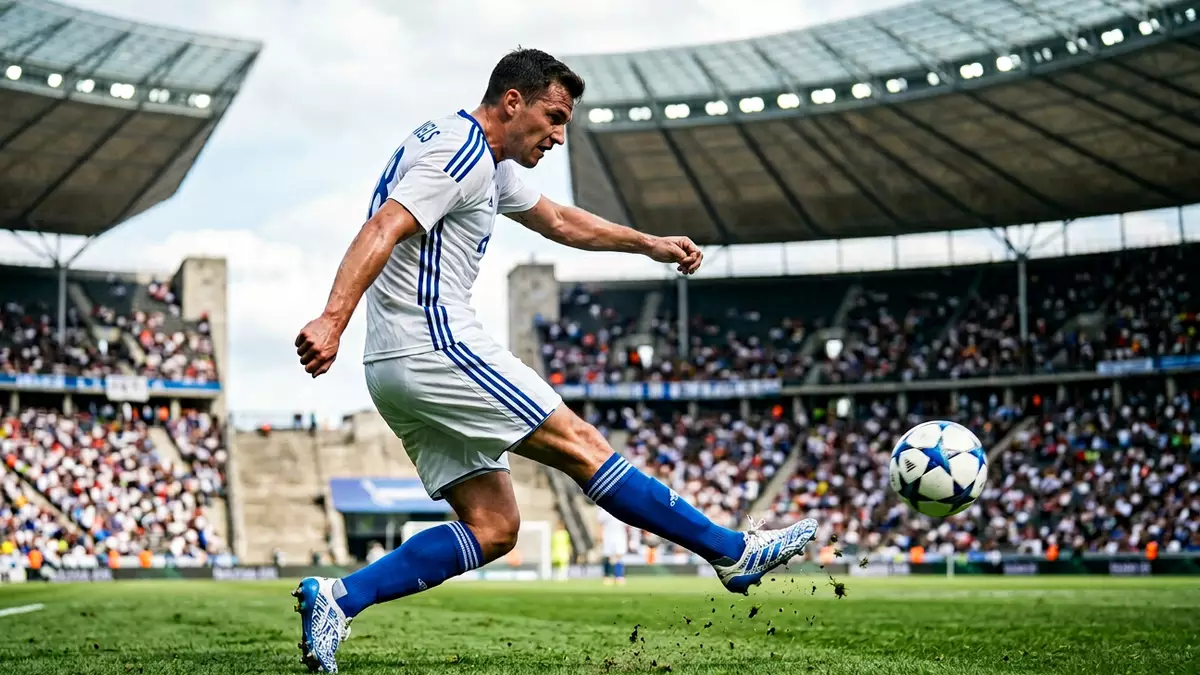
Brazil strengthened their bid for another deep FIFA World Cup run with a commanding 3–0 victory over Haiti in Group C, a result driven by a brace from forward Matheus Cunha and a composed finish from Vinícius Júnior that kept the Selecao on course for the knockout rounds while mathematically eliminating Haiti from contention.
The match unfolded with the sort of control and attacking rhythm Brazil’s supporters expect on the world stage, even as Haiti arrived determined to keep their last-16 dreams alive. Cunha, making his first start of this World Cup cycle according to multiple reports, seized the opportunity by striking twice, showcasing both his movement in the box and his calm under pressure in front of goal. Vinícius Júnior added the other goal, underlining the depth of attacking talent at Brazil’s disposal and reinforcing his growing status as one of the tournament’s headline stars.
From the early stages, Brazil set the tempo with patient possession, measured pressing, and quick switches of play that stretched Haiti’s defensive block. Haiti, who had entered Group C as underdogs but with an energetic, transition-focused style, initially held their shape well, but the quality and variety of Brazil’s attacks steadily eroded their resistance. Once Cunha’s opener arrived, Haiti were forced to chase the game, and the spaces that emerged in midfield and out wide played perfectly into Brazil’s strengths.
Brazil’s victory carries significant implications for Group C. With four points and a positive goal difference reported at this stage, the team sits in a strong position in the standings and can now approach its final group match with a measure of control over its destiny. Haiti, by contrast, remain on zero points and with a negative goal difference that leaves them without a route to the round of 32, their campaign now officially ending in the group phase. For a side that fought its way onto the 2026 stage through a demanding qualifying path, elimination is a harsh outcome but one that underscores the fine margins of World Cup football.
On an individual level, Cunha’s performance may prove one of the turning points in Brazil’s tournament narrative. Arriving in camp amid debate over who should lead the line for the five-time champions, the Manchester United attacker answered emphatically with two clinical goals and an influential all-around showing. His timing, link-up play, and pressing from the front not only unlocked Haiti’s defense but also gave head coach and staff a compelling case to keep him in the starting XI as the stakes rise.
Vinícius Júnior, meanwhile, added another goal to his growing international résumé and again provided the sort of direct running and flair that unsettles defenses and draws multiple markers, creating space for his teammates. His combination work with Cunha and the Brazilian midfield stitched together a series of dangerous sequences that Haiti struggled to track, especially as fatigue set in during the second half. With each match, Vinícius appears more comfortable as one of Brazil’s primary reference points in attack, a shift from his earlier role as a complement to more established stars.
Defensively, Brazil can also take encouragement from a second match in which their structure generally held firm. Even when Haiti attempted to break with numbers after turnovers, Brazil’s central defenders and holding midfielders stepped in decisively to snuff out counters, while the fullbacks balanced their forward surges with disciplined recovery runs. Goalkeeper involvement remained limited for long stretches, a testament to how infrequently Haiti managed to generate clear-cut chances against a compact, well-drilled back line.
For Haiti, the defeat will sting, but the broader context of their World Cup journey matters. Simply reaching the expanded 48-team tournament carried historical meaning, offering their players invaluable experience against elite opposition and giving Haitian fans a moment of global visibility. Yet, in pure competitive terms, two straight losses and a mounting negative goal differential reflect the gap they must close to consistently challenge the giants of the international game.
Haiti’s tactical plan, focused on staying compact and looking for quick transitions, yielded only sporadic moments of danger. As Brazil tightened their grip on possession, Haiti’s outlets became isolated, and their attacking moves increasingly relied on long balls or speculative shots. The physical toll of tracking Brazil’s attackers, coupled with the mental strain of chasing the scoreline, became evident late on, when defensive lapses opened the door for Brazil to add to the margin and cement the result.
At the tournament level, Brazil’s victory reinforces pre-World Cup expectations that placed them among the top favorites alongside Argentina, France, England, and others. In the expanded 104-match format, navigating the group stage efficiently is crucial, particularly with travel demands across 16 host cities in the United States, Canada, and Mexico. By building a healthy goal differential early and avoiding dropped points to lower-ranked opposition, Brazil can better manage its resources and squad rotation as the event progresses.
Group C’s standings now reflect an early stratification typical of a World Cup group: Brazil and fellow contenders like Morocco or Scotland have created separation from Haiti, whose elimination clarifies the qualification math ahead of the final matchday. With FIFA adopting head-to-head records as the primary tiebreaker in 2026, rather than goal difference, each direct clash among the group’s top teams carries added weight, potentially allowing the group to be decided before all fixtures are completed.
The broader tournament story also includes significant disciplinary and competition-format changes that shape how teams approach matches like Brazil–Haiti. A single red card brings at least a one-match suspension, with FIFA disciplinary panels empowered to extend bans in cases of serious misconduct. Yellow cards accumulate within phases of the competition, but are wiped after the group stage and again after the quarterfinals to reduce the chance that a player misses the final solely due to earlier cautions. Although this particular match was defined more by Brazil’s attacking excellence than by disciplinary drama, the rules loom large over how coaches rotate squads and manage player aggression in duels.
As the World Cup 2026 group phase continues across North America, Brazil’s latest win adds another chapter to a tournament that has already produced rapid goals, tactical surprises, and high-stakes battles on every matchday. For the Selecao, the path ahead will only grow more demanding, but with Cunha and Vinícius Júnior finding form, they remain firmly positioned among the teams to beat in this expanded World Cup era.