Laurie Anderson and the award landscape of a multimedia pioneer
Published on 06/18/2026 at 21:08 | Editorial responsibility: Rafael Müller, Editor-in-Chief AD HOC NEWS
Laurie Anderson moves between performance, sound art and installation with unusual consistency. Her long career shows how an artist can build institutional recognition not primarily through prizes but through museum shows, commissions and cross-disciplinary collaborations.
Award history beyond simple lists
Laurie Anderson is often discussed less through classic prize lists and more through her role in shaping media art and performance since the late 1970s. Her early breakthrough with the single O Superman in 1981, which reached number 2 in the UK charts, already indicated this hybrid status between experimental art and pop visibility.
Instead of a dense sequence of headline arts prizes, Anderson has accumulated a different kind of recognition: invitations to major museums, orchestral commissions, festival appearances and crossovers with figures from technology and science. That pattern distinguishes her from many peers whose careers are more tightly bound to a prize canon.
Institutional recognition and commissions
Major institutions have repeatedly framed Laurie Anderson as a key voice in contemporary media and performance art. The Hirshhorn Museum, MASS MoCA and other venues have presented expansive installations that combine sound, moving image and text, often over several galleries at once.
Such institutional projects often function in practice like awards, even if they are labeled as exhibitions or commissions rather than prizes. They require substantial curatorial commitment, long-term planning and budgets that signal trust in an artist's ability to engage large and diverse audiences.
All news and background on Laurie Anderson
For more context on Laurie Anderson's exhibitions, sound works and institutional collaborations, the AD HOC NEWS search offers an updated overview.
How the artist builds her work
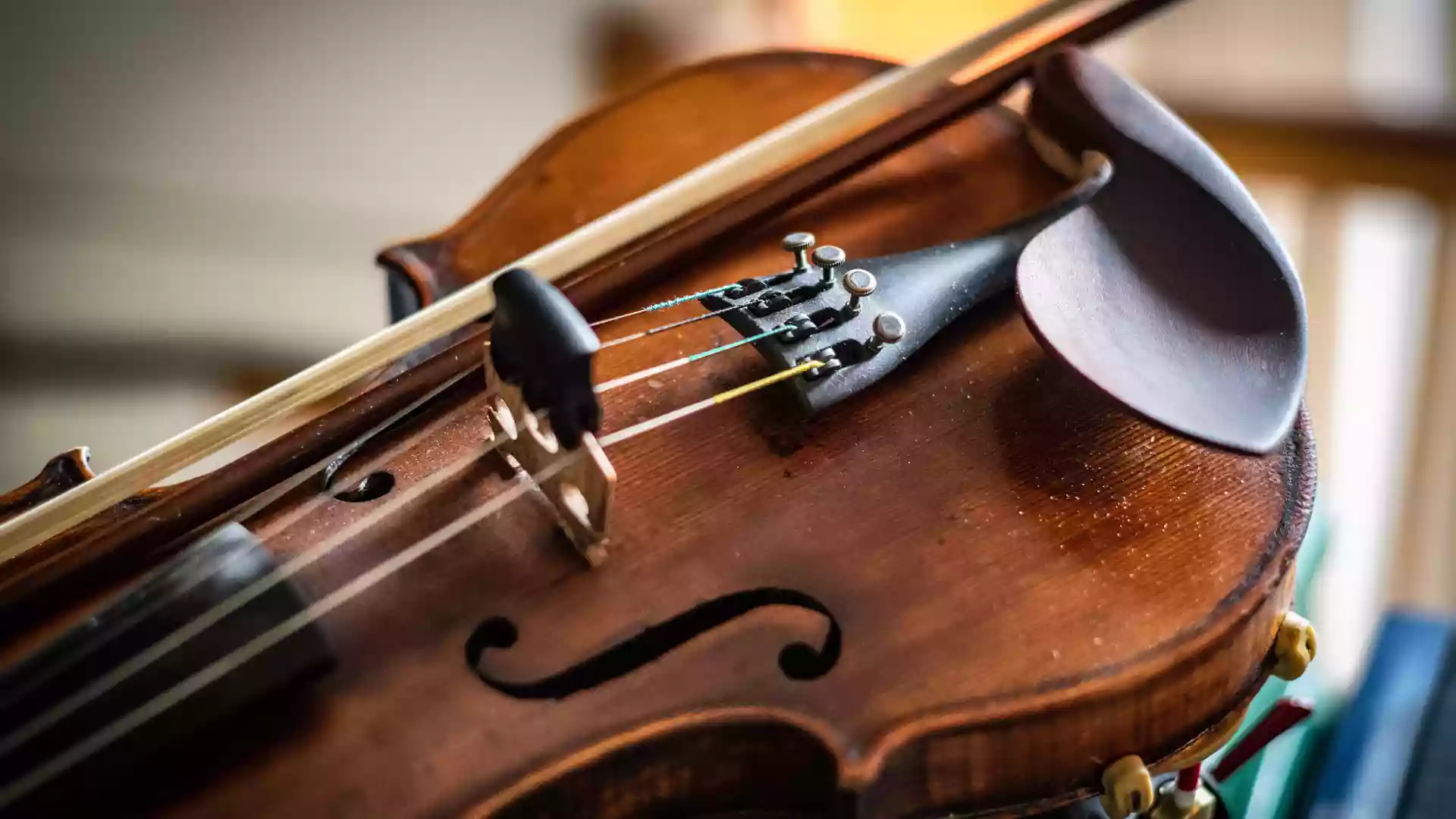
Laurie Anderson's practice extends from live performance and storytelling to violin-based sound works, immersive installations and film. She often layers recorded voice, electronic processing and projected text, creating narrative structures that unfold slowly rather than in linear plots.
Where the artist stands now
Laurie Anderson continues to develop new time-based works and installations that keep her at the intersection of experimental music, visual art and institutional collaboration.
Key facts on Laurie Anderson
- Artist: Laurie Anderson
- Medium / Genre: Performance, sound art, multimedia installation
- Born: 1947, Glen Ellyn, United States
- Place(s) of practice: Studio in New York
- Active since: Early 1970s
- Key work groups: O Superman, United States, Home of the Brave, Heart of a Dog
- Current/last exhibition: Various institutional projects in recent years, including large-scale multimedia installations
- Major collections: Works in significant public and institutional contexts worldwide
- Awards: Recognition through institutional exhibitions, commissions and cross-disciplinary honors
- Next date: Currently no announced date in the 30-day window
Frequently asked questions about Laurie Anderson
What kind of art does Laurie Anderson create?
Laurie Anderson creates performance pieces, sound works, multimedia installations and films that combine language, music, moving image and technology.
How has Laurie Anderson been recognized by institutions?
Major museums and cultural institutions have presented large-scale exhibitions and commissions of her work, reflecting high institutional recognition beyond traditional prize lists.
Why is Laurie Anderson important for media and performance art?
Anderson has helped define experimental performance and media art since the late 1970s, influencing how artists use sound, narrative and technology in gallery and concert settings.
This article was produced with a.i. support and editorially reviewed. All statements without guarantee; auction results, exhibition dates and awards may change at short notice.