New era onstage as Santana extends 2026 tour
02.06.2026 - 17:26:15 | ad-hoc-news.de
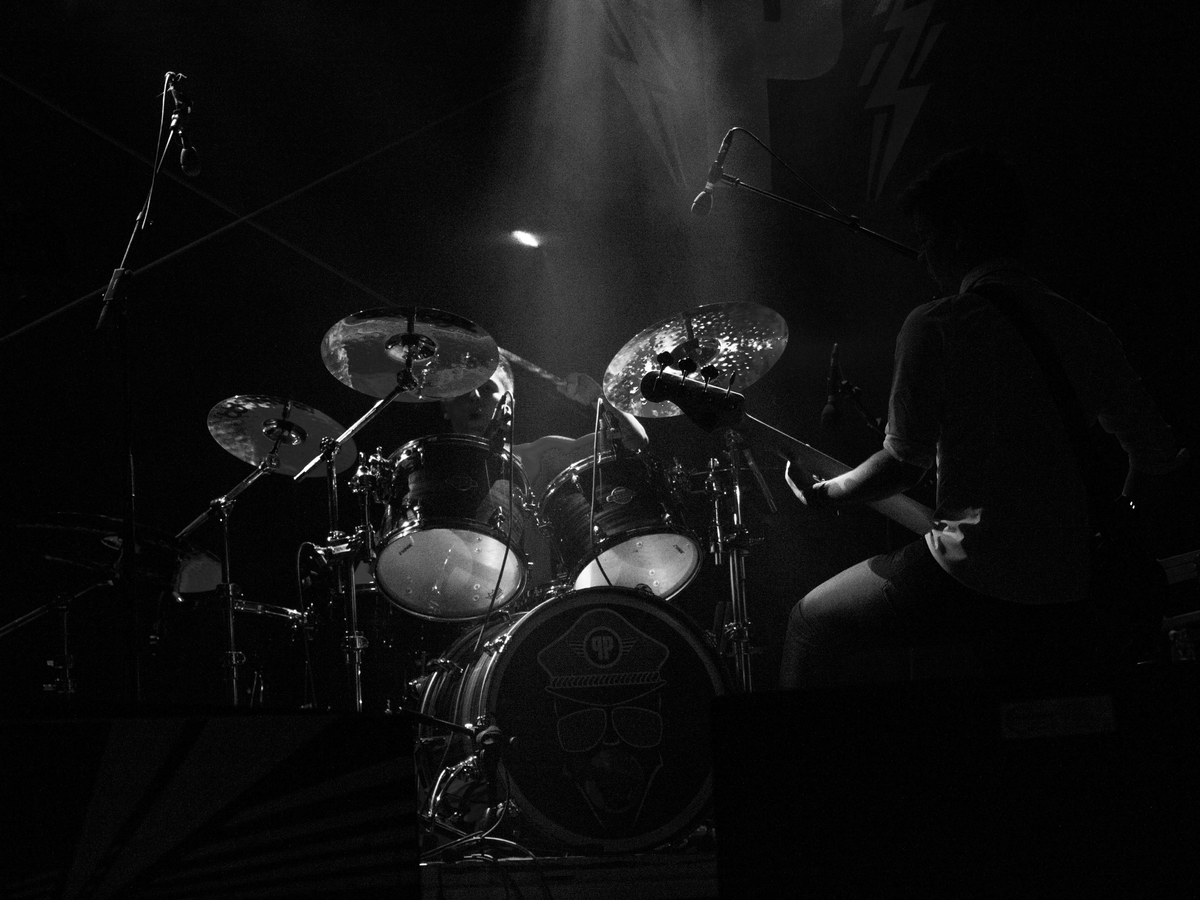
Under a wash of colored lights and the opening notes of Black Magic Woman, Santana continue to show why their fusion of rock, Latin rhythm, and spiritual improvisation remains one of the most durable live forces in American music.
Santana’s 2026 touring momentum
Santana have built their legend as much on the road as in the studio, and the band’s current touring cycle keeps that story moving forward for longtime fans and newer listeners alike. As of early June 2026, official announcements emphasize a continued focus on full-band shows built around their classic catalog and the enduring success of Supernatural.
The group’s official tour hub highlights how the shows lean on extended jams, nightly setlist changes, and the mix of rock radio staples with deeper album cuts that have made Santana’s concerts a rite of passage for generations of guitar fans and jam-band devotees. The emphasis remains on large theaters and amphitheaters where the band’s percussive sound can breathe, and where Carlos Santana’s guitar tone can fill the room without sacrificing nuance.
Rather than chasing short, nostalgia-driven appearances, Santana’s current live approach favors full-evening experiences that echo the heyday of 1970s rock touring. That means long sets, multiple instrumental showcases, and a dynamic arc that moves from early blues and Latin rock material through the polished pop textures of the late 1990s and back into improvisational territory by the encore.
For US audiences, these shows also maintain the band’s long-standing connection to American rock history, linking the counterculture era of late 1960s San Francisco to the radio-dominated pop landscape of the 2000s and today’s streaming-driven discovery culture. Fans not only hear the hits but also feel the through line that runs from the Fillmore West to contemporary outdoor amphitheaters.
- Extended full-band sets built around classic and modern material
- Emphasis on improvisation, percussion breaks, and guitar solos
- Setlists that mix Woodstock-era songs with Supernatural hits
- Audience demographics spanning multiple generations of rock fans
That continuity makes Santana’s touring presence as much an educational experience in rock, jazz, and Latin fusion as a nostalgia trip, which is part of why the band remain a staple of the US live circuit decades after their first breakthrough.
Bay Area roots, global resonance
To understand why Santana’s 2026 live activity still matters, it helps to recall who the band are and how they first reshaped rock. Formed in San Francisco in the late 1960s around guitarist Carlos Santana, the group emerged from the same fertile Bay Area scene that produced the Grateful Dead and Jefferson Airplane, but they quickly stood apart with a sound anchored in Latin percussion, blues guitar, and jazz phrasing.
According to historical overviews in major US outlets, the early Santana lineup was a cross-cultural ensemble that brought congas, timbales, and Afro-Latin grooves into the rock mainstream, a move that would influence everything from 1970s jazz fusion to alternative rock decades later. The band’s appearance at Woodstock in August 1969 became one of the festival’s defining moments, with a fiery version of Soul Sacrifice helping introduce their sound to a massive US audience.
That Woodstock set fed directly into the success of the group’s self-titled debut album, Santana, released in 1969 on Columbia Records. The record blended instrumental jams with more structured songs and set the template for what would follow on Abraxas (1970) and Santana III (1971), albums that solidified the band’s reputation as both a commercial force and a musicians’ band admired for their chops.
Across these releases, Santana’s identity crystallized around Carlos Santana’s sustain-heavy guitar tone, a rhythm section steeped in Latin and African patterns, and a willingness to stretch song forms into extended improvisations. That identity remains central to the way the band present themselves onstage today, even as lineups have shifted and decades have passed.
For US listeners, Santana also came to symbolize a broader cultural moment, as Latin artists began to carve out a larger presence in rock and pop spaces that had historically been dominated by Anglo-American acts. The group’s early success helped create room for later artists who would navigate between Spanish and English, between traditional rhythms and rock structures.
From Woodstock to chart-topping comeback
The path from psychedelic-era club band to 21st-century touring institution has not been linear, and Santana’s history is marked by reinvention. After the initial run of classic early 1970s albums, the group moved through phases of jazz fusion, spiritual exploration, and lineup changes, sometimes prioritizing artistic experimentation over chart success.
By the late 1970s and 1980s, Santana remained a respected live draw, but their studio releases were less prominent in the US pop marketplace. That changed dramatically in 1999 with the release of Supernatural, a collaborative album that paired Carlos Santana’s guitar with guest vocalists from contemporary rock and pop. The record’s blend of familiar guitar textures and radio-ready hooks reintroduced the band to a younger audience raised on MTV and Top 40 radio.
As reported by outlets such as Billboard and Rolling Stone, Supernatural became a commercial phenomenon in the United States, spending weeks atop the Billboard 200 and becoming one of the best-selling albums of the turn of the millennium. Its breakout single, Smooth, featuring Matchbox Twenty frontman Rob Thomas, dominated the Billboard Hot 100 and found heavy rotation on rock, pop, and adult contemporary stations.
Other singles like Maria Maria showcased Santana’s ability to cross into R&B and hip-hop-adjacent spaces without losing the core guitar-driven identity that long-time fans associated with the band. The album’s success translated into Grammy Awards and multi-platinum certifications from the Recording Industry Association of America, cementing Santana’s status not just as a legacy act but as a renewed mainstream force.
In the decades since, Santana have balanced studio releases with steady touring, often emphasizing the live reinterpretation of songs from Supernatural alongside earlier staples such as Oye Como Va, Evil Ways, and Black Magic Woman. US tours have regularly included amphitheaters and arenas, underlining the band’s enduring ability to draw large audiences interested in both nostalgic hits and high-level musicianship.
That arc from Woodstock breakout, through experimental years, to late-1990s pop resurgence explains in part why a 2026 tour still carries weight. Santana’s setlists function as a condensed history of multiple eras of American rock and pop, with the band’s own story interwoven with broader shifts in the industry and audience tastes.
Signature sound from Abraxas to Supernatural
What keeps Santana’s music distinctive, and why do those familiar guitar lines still resonate in an era of playlists and algorithms? The answer lies in a signature sound that has evolved but never abandoned its foundations.
At the center is Carlos Santana’s guitar tone: singing sustain, melodic phrasing rooted in blues and modal jazz, and a preference for lyrical solos that function as alternative vocal lines rather than purely technical showcases. This approach, documented in countless interviews and performance reviews, made Santana a touchstone for generations of US guitarists who grew up hearing their work on rock radio.
Layered beneath that guitar voice is an intricate percussion framework. From the earliest albums like Abraxas, Santana records have featured congas, timbales, and other hand percussion alongside a traditional drum kit, creating polyrhythms that draw from Afro-Cuban, Caribbean, and Latin American traditions. That rhythmic density remains a defining feature of the live shows, where percussion breakdowns often become audience-participation moments.
Keyboard textures and bass lines round out the sound, with organ and electric piano anchoring early tracks and more modern synthesizer and production flourishes appearing in later releases. Yet even as studio techniques have changed, the basic equation has stayed recognizable: a tight rhythm section, melodic guitar, and a sense of spiritual uplift that surfaces in song titles, album artwork, and stage banter.
Albums like Caravanserai and Welcome showcased the band’s interest in jazz fusion and extended instrumental pieces, while Supernatural and follow-up projects like Shaman leaned more on guest vocalists and radio-ready choruses. Across that spectrum, the consistent element has been a belief that rock can be expanded rather than diluted by incorporating global rhythms and improvisational structures.
In the streaming era, Santana’s catalog offers multiple entry points for US listeners who may discover them through a playlist featuring Smooth or Maria Maria and then trace back to the rawer, jam-heavy early records. This cross-generational discovery loop feeds the band’s touring audience, as new fans arrive already familiar with at least a handful of songs, ready to experience them in an improvisational, high-volume setting.
Legacy from Woodstock field to streaming age
Santana’s cultural impact extends well beyond sales figures and tour grosses. In US music history, the band occupy a crucial space as one of the earliest high-profile examples of Latin rock breaking into the mainstream, paving the way for subsequent waves of bilingual and bicultural artists.
Critics in outlets such as The New York Times, NPR Music, and Rolling Stone have long highlighted Santana’s role in bridging rock, jazz, and Afro-Latin styles, noting that their success offered a blueprint for genre fusion that would later influence acts in alternative, jam-band, and even hip-hop scenes. The willingness to keep percussion and groove at the forefront helped legitimize non-Anglo rhythmic traditions in a rock landscape that had often centered four-on-the-floor drum patterns and blues-derived riffs.
From an industry perspective, Santana’s late-1990s comeback also reshaped how labels thought about legacy artists. The blockbuster performance of Supernatural demonstrated that carefully curated collaborations could reintroduce established acts to pop radio and MTV without alienating their core fan base. This model has since been repeated in various forms by other veteran artists pairing with younger stars.
In the live realm, Santana’s reputation as a must-see concert act has only grown. Reviews of recent tours often emphasize the intergenerational nature of the audience, with parents who grew up on Supernatural attending alongside older fans who remember the band’s 1970s heyday and younger listeners discovering the music through streaming platforms. That demographic spread reinforces the idea that Santana’s catalog functions as a shared reference point across different eras of US rock fandom.
On the awards front, multiple Grammy wins and RIAA certifications testify to the band’s commercial and critical recognition, particularly around the Supernatural era. These accolades sit alongside the less quantifiable but equally important status Santana hold within musician circles, where Carlos Santana’s playing and the band’s rhythmic approach are frequently cited as formative influences.
In the streaming and social media era, Santana remain a visible presence, with live clips, archival footage, and fan-shot videos circulating widely. This constant low-level visibility ensures that even listeners who do not own physical albums may still encounter the band’s music in curated playlists, algorithmic radio, or viral performance snippets.
Questions fans ask about Santana today
How did Santana first break through in the United States?
Santana’s initial breakthrough in the US came at the end of the 1960s, when their blend of rock, Latin percussion, and extended improvisation captured attention in the San Francisco scene. A pivotal moment was their performance at the Woodstock festival in August 1969, where an electrifying version of Soul Sacrifice introduced the band to a huge national audience. That exposure dovetailed with the release of their debut album, Santana, which helped establish them on US rock radio and set the stage for the success of Abraxas and Santana III.
Which Santana albums and songs are most essential for new listeners?
For new listeners in the US, several albums offer clear entry points. Early records like Santana and Abraxas showcase the original Latin rock fusion with songs such as Black Magic Woman, Oye Como Va, and Evil Ways. The 1999 release Supernatural is equally essential, featuring crossover hits like Smooth and Maria Maria that defined a late-1990s pop moment. Later albums, including Shaman, continue the collaborative approach. Together, these records trace how the band’s sound has evolved while retaining the core guitar-and-percussion identity.
Why do Santana’s live shows remain a draw decades after their debut?
Santana’s live shows continue to draw strong US audiences because they offer a mix of familiarity and spontaneity. Fans hear the hits they know from radio and streaming, but the band’s improvisational approach means no two performances are exactly alike. The interplay between guitar, keyboards, and a multi-layered percussion section keeps even long-established songs fresh, while the setlists span multiple eras from Woodstock to Supernatural and beyond. That combination of nostalgia, virtuosity, and rhythmic intensity makes a Santana concert feel like both a celebration of rock history and a living, evolving musical conversation.
Social and streaming channels for Santana
Santana’s catalog and live presence are widely accessible across major platforms, making it easy for US listeners to dive into the band’s history and current activity.
Santana – moods, reactions and trends across social media:
Further reading and official Santana links
More coverage of Santana at AD HOC NEWS and in other media:
Read more about Santana on the web ->Search all Santana stories on AD HOC NEWS ->
So schätzen die Börsenprofis Aktien ein!

Für. Immer. Kostenlos.