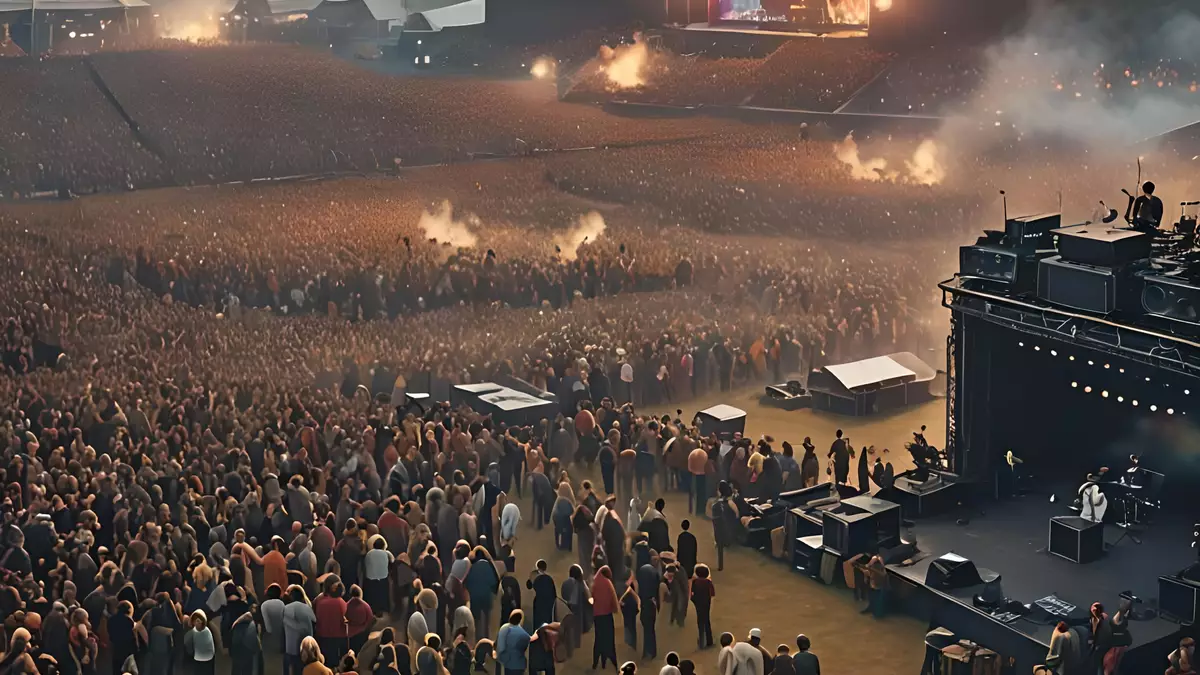
Bastille - From Bad Blood to arena stages worldwide
Published on 07/04/2026 at 12:38 | Editorial responsibility: Rafael Müller, Editor-in-Chief AD HOC NEWS
Bastille emerged in the early 2010s as one of the most distinctive British pop-rock bands, blending indie rock structures with electronic textures and chant-like hooks. Their song Pompeii and the debut album Bad Blood turned them into a global name, especially among younger streaming audiences in the U.S.
How Bastille broke through
Bastille were formed in London around singer and songwriter Dan Smith, with Chris Wood, Kyle Simmons and Will Farquarson completing the core lineup. The band started by releasing early singles and mixtapes that mixed cinematic themes with pop songwriting, gradually building attention on the UK indie circuit.
Their first full-length album Bad Blood, released in 2013, crystallized the formula: melancholic but expansive melodies, big gang vocals and a mix of live instruments with programmed drums and synths. Songs such as Pompeii, Things We Lost in the Fire and Flaws helped the record travel far beyond Britain and into mainstream playlists in the U.S.
The lasting impact of Pompeii
Pompeii became the band’s defining single, a track built on a repeating vocal motif and a pulsing beat that made it instantly recognizable. It crossed from alternative and rock radio into pop formats, and in many markets it remains the song most associated with Bastille’s name years after its release.
For many listeners in the United States, the song acted as an entry point into modern British pop-rock and indie, standing alongside records by acts such as Imagine Dragons or Lorde in early-2010s playlists. Its chant-heavy chorus and narrative lyrics showed how Bastille could connect historical imagery with personal emotion in a way that resonated widely.
All news and background on Bastille
Fans who discovered Bastille through Pompeii and Bad Blood often go on to explore the band’s later albums, collaborations and tour reports in more depth.
Albums beyond the debut
After Bad Blood, Bastille continued to refine their approach across several studio albums and EPs. They incorporated more overt electronic production, deeper low-end and occasional collaborations with dance producers, while keeping Smith’s emotive vocals and the group’s layered harmonies at the center.
Their later work often plays with conceptual frameworks, including imagined futures and alternate realities. This gives the records a cohesive feel, as songs are tied together by narrative threads or recurring sonic motifs, even when individual tracks are aimed squarely at radio and streaming platforms.
The band’s place in U.S. pop-rock
For U.S. listeners, Bastille sit at the intersection of pop, rock and indie, alongside acts whose songs frequently surface in film trailers, TV placements and festival playlists. Their music pairs anthemic choruses with introspective verses, making tracks suitable for both personal headphone listening and large-venue singalongs.
Over time, many American fans have come to associate Bastille with a particular mood: reflective yet hopeful, with lyrics that balance uncertainty and resilience. The band’s use of choral-style backing vocals gives their songs a communal quality, inviting audience participation during live performances and singalong moments at home.
How the work sounds
Bastille’s songs typically layer piano or guitar with prominent synth lines, programmed drums and dense vocal stacks. The production leans toward cinematic pop, with builds, drops and dynamic shifts that mirror film scores, while the band retain enough rock and indie elements to keep the music grounded.
Where the act stands
Bastille are currently active, with their catalog continuing to reach new listeners through playlists, radio spins and ongoing interest in their breakthrough single and albums.
Bastille at a glance
- Act: Bastille
- Genre: Pop-rock / alternative pop
- Origin: London, United Kingdom
- Active since: Early 2010s
- Lineup: Dan Smith (vocals), Chris Wood (drums), Kyle Simmons (keyboards), Will Farquarson (bass/guitar)
- Key works: Bad Blood (2013), Pompeii (2013), subsequent studio albums and EPs
- Current album/single: Bastille’s catalog continues to be promoted across streaming playlists and radio, with listeners discovering both earlier hits and later releases.
- Next live date: currently with no announced live date
Frequently asked questions about Bastille
Who are the members of Bastille?
Bastille were founded by singer Dan Smith and feature Chris Wood on drums, Kyle Simmons on keyboards and Will Farquarson on bass and guitar. This lineup has anchored the band’s recordings and live shows.
What album made Bastille widely known?
The debut album Bad Blood, released in 2013, brought Bastille to international attention, helped by the success of singles such as Pompeii, which became their signature track for many listeners.
What characterizes Bastille’s sound?
Bastille combine pop-rock songwriting with electronic and cinematic elements, favoring anthemic choruses, layered harmonies and lyrics that often reference historical or fictional scenarios while exploring personal themes.
This article was created with AI assistance and editorially reviewed. All information without guarantee; dates, chart positions and certifications may change at short notice.
Disclaimer regarding our articles: No investment advice, no buy or sell recommendation. Information on prices, companies, and markets is provided without guarantee; changes are possible at any time. Stock market transactions can lead to substantial losses. Our articles are created and reviewed in whole or in part automatically with the support of AI.