
Eminem’s surprise album ‘The Death of Slim Shady’ and Coachella cameo ignite 2026 hip hop debate
Published on 06/17/2026 at 01:31 | Editorial responsibility: Rafael Müller, Editor-in-Chief AD HOC NEWS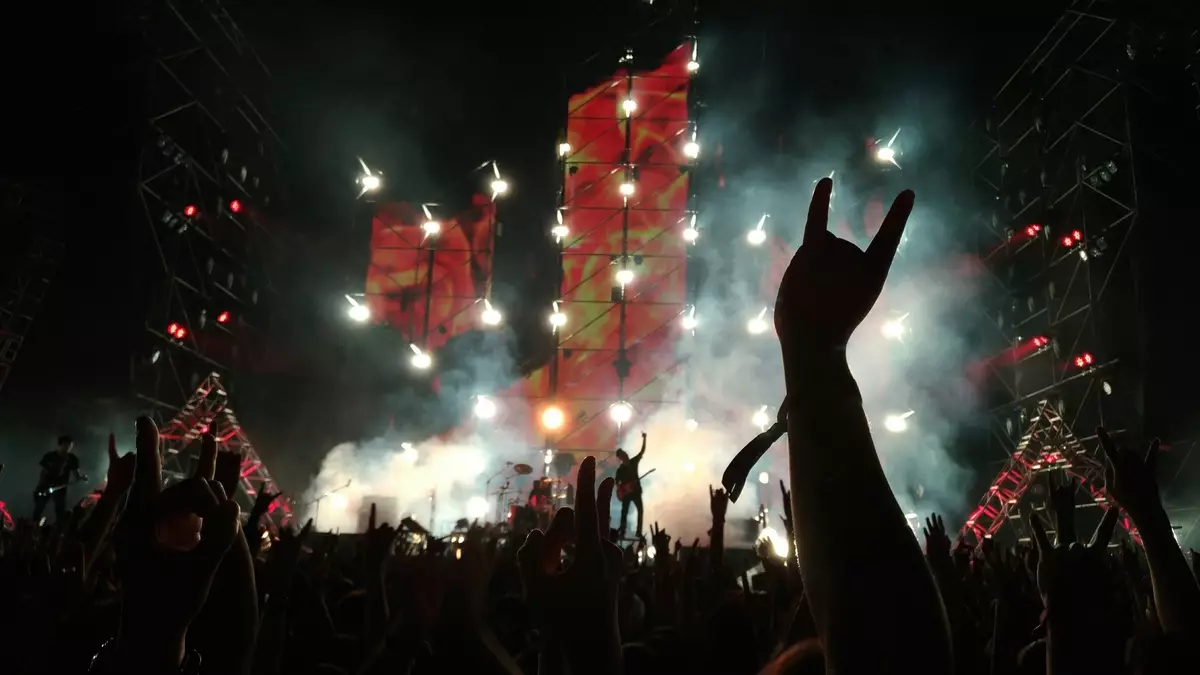
Eminem has pushed himself back to the center of the 2026 music conversation with the surprise release of his twelfth studio album The Death of Slim Shady (Coup de Grâce) and a carefully staged Coachella cameo that turned a festival moment into a global talking point.
In April and May 2026, the Detroit rapper used a mix of surprise tactics, viral teasers and a high-profile festival appearance to frame the album as both a narrative close for his notorious alter ego and a statement on his place in modern hip hop. Across social media and streaming platforms, fans immediately started dissecting the dense lyrics, layered references and stylistic callbacks that dominate the record.
Background, reactions and context on Eminem at a glance
How fans, critics and the industry interpret Eminem's latest moves and how they connect to his earlier milestones.
More news on Eminem at AD HOC NEWS ->Wednesday spotlight: how Eminem turned a festival cameo into a global hook
On a Wednesday analysis, the Coachella cameo looks less like a simple guest spot and more like a carefully timed anchor for the whole campaign around The Death of Slim Shady (Coup de Grâce). Appearing during another headliner’s set, Eminem treated the crowd to a compact run through of career-defining verses and a taste of new material, instantly making the moment one of the most replayed clips from the festival.
By dropping in as a surprise instead of taking on a full headlining slot, the rapper managed to align himself with the festival’s younger audience while keeping the focus firmly on his own narrative arc. Fans described the performance as a collision between early-2000s aggression and the more reflective tone he has cultivated on recent releases, with social networks filling up with side-by-side video comparisons.
From ‘Slim Shady’ to ‘Coup de Grâce’: a concept built on self-erasure
The core hook of the new album lies in its concept: Eminem presents The Death of Slim Shady (Coup de Grâce) as the final execution of the cartoonishly violent, foul-mouthed persona that defined his breakthrough years. Throughout the record, he revisits themes that have followed him since the late 1990s, from media outrage and censorship debates to questions about responsibility, aging and the changing expectations placed on rap veterans.
Musically, the album leans on hard-hitting drum programming, tense synth lines and tightly compressed hooks that feel engineered for streaming-era playlists yet still recall the claustrophobic sound design of his early work with Dr. Dre. Several tracks deliberately reference flows and cadences from classics like The Slim Shady LP and The Marshall Mathers LP, inviting listeners to compare his delivery then and now.
Across the project, the rapper toys with the idea that killing off Slim Shady might be impossible because the alter ego has become so deeply woven into his public image. Songs oscillate between mock funerals for the character and bursts of the same outrageous humor and barbed jokes that first made him infamous, creating a tension that fuels discussions well beyond the core fanbase.
Lyrics under the microscope: internal rhyme, controversy and self-critique
Eminem has built much of his reputation on dense internal rhymes and technical feats, and the new album continues that tradition. Fans point to multiple tracks where entire verses are stitched together through chain rhymes, alliteration and sudden rhythmic switches, turning even simple punchlines into displays of verbal athleticism. This technical focus ensures that the album works as a showcase for craft even when listeners disagree with its more provocative lines.
At the same time, the lyrics once again walk the line between shock value and self-reflection. The rapper revisits old controversies, references past feuds and throws light jabs at both critics and younger artists, but he also acknowledges shifting cultural norms and the limits of his own approach. In some songs, he appears to interrogate why he still feels compelled to provoke, while in others he leans fully into the role of the unfiltered veteran pushing back against perceived over-sensitivity.
One notable development is how often the verses reference his earlier discography. Listeners have catalogued dozens of callbacks to lines from the early 2000s, effectively turning the album into a meta-commentary on his legacy. This has inspired long-form breakdowns across fan communities and music forums, where users compare rhyme structures, narrative arcs and character portrayals across decades of work.
Production and collaborators: balancing nostalgia and current sounds
The production on The Death of Slim Shady (Coup de Grâce) is designed to thread the needle between nostalgia and contemporary rap trends. Beats alternate between classic boom-bap elements, modern trap percussion and cinematic breakdowns, allowing Eminem to shift flows within the same track. Long-time collaborators are part of the sonic DNA, but the project also nods to newer sound palettes, with filtered 808s, stuttering hi-hats and atmospheric pads layered beneath his vocals.
Some tracks showcase stripped-back instrumentals that give prominence to his voice and allow the complexities of the rhyme schemes to shine without distraction. Others pile on dramatic strings, aggressive bass lines and abrupt beat switches, underlining narrative twists in the lyrics. These choices echo his past album structures while responding to contemporary expectations for dynamic, fast-changing arrangements in streaming playlists.
Listeners have highlighted the way ad-libs and backing vocals are used to emphasize punchlines or underline emotional moments. Even when he slips into character voices reminiscent of earlier albums, the overall mix keeps the main vocal crisp and forward, emphasizing clarity over the raw chaos of his early days while still preserving an edge.
Chart impact, streaming numbers and fan engagement
As soon as The Death of Slim Shady (Coup de Grâce) dropped across major platforms, the project generated strong initial streaming numbers and high visibility in curated playlists. Within days, tracks from the album began to occupy multiple positions on hip hop and all-genre charts, illustrating that Eminem’s combination of surprise release tactics and long-standing fan loyalty still translates into measurable impact.
Beyond pure numbers, the album’s rollout has proven especially effective in commanding online attention. Short video clips from the Coachella appearance and lyric-focused edits from the new songs have multiplied on social platforms, with fans using captioned snippets to debate the verses, call out perceived subliminals and celebrate favorite punchlines. This activity has helped keep tracks in rotation and driven repeat listens among curious casual fans.
In comment sections and reaction videos, long-time listeners discuss how the new material sits next to classics like The Eminem Show and Recovery, often ranking songs in tier lists and argument threads that extend far beyond the usual album-release cycle. Through this lens, the project functions not only as a new chapter but as a catalyst for re-evaluating his entire catalog.
Legacy check: where The Death of Slim Shady fits in Eminem’s career
Eminem’s career has already stretched across multiple eras of hip hop, from the CD-dominated late 1990s, through the download and blog years, into the current streaming and short-video landscape. The Death of Slim Shady (Coup de Grâce) arrives at a stage where many of his peers have shifted either into heritage-artist status or behind-the-scenes roles. Instead, he continues to put his own vocal work at the center of public debate.
In that context, the album plays a dual role. On one hand, it functions as a narrative device, attempting to close the book on an alter ego that has been the source of both creative breakthroughs and social backlash. On the other hand, it acts as a reaffirmation that he still sees himself as an active competitor within the genre, not just a museum piece revisiting old hits for nostalgic tours.
Critics and commentators have therefore taken the record as an invitation to revisit longstanding questions about the limits of satire, the responsibilities of artists who reach global mainstream audiences, and the ways in which controversial personas from earlier decades read in a changed cultural climate. For Eminem, this ongoing debate keeps his work firmly in the spotlight, even among listeners who do not consider themselves fans.
Wednesday deep dive: themes of aging, relevance and resilience
From a Wednesday analysis angle, one of the most striking elements of the album cycle is how directly Eminem addresses aging and relevance. Instead of pretending to be a newcomer, he leans into his status as a veteran, sometimes mocking younger trends and sometimes acknowledging that tastes have shifted. This candid approach allows him to switch between self-deprecation and defiance without losing cohesion.
Several tracks wrestle with the idea of legacy: how he will be remembered, what elements of his catalog will outlast current debates, and whether his technical skills alone can justify the more abrasive aspects of his early persona. These questions echo wider conversations about long-running acts in both rock and hip hop, where artists must decide whether to prioritize reinvention, continuity or nostalgia.
Resilience emerges as another recurring theme. Verses reference personal and professional setbacks, media criticism and the exhaustion that comes with constantly defending controversial art. By framing the supposed death of Slim Shady as both a theatrical gesture and a coping mechanism, the album paints a picture of an artist who sees himself as continually negotiating between internal impulses and external pressures.
Cultural impact: beyond rap into pop culture at large
While Eminem’s roots are firmly in hip hop, the impact of The Death of Slim Shady (Coup de Grâce) is best understood in a broader pop landscape. Memes, reaction formats and trend edits using snippets of his voice circulate in spaces far beyond dedicated rap communities, reaching users who primarily consume pop, rock or electronic music. This cross-genre visibility mirrors the way his earlier hits saturated global radio and TV in the 2000s.
With the new album, the cultural conversation again moves beyond the music itself. Commentators analyze his role in shaping discussions about censorship, free speech, masculinity and media outrage, tracing how the Slim Shady persona once symbolized fears about youth culture and now serves as a case study in how controversial art ages. The record gives fresh material for these debates by both invoking and challenging that history.
In parallel, his influence shows up in younger rappers who cite him as an inspiration for complex rhyme patterns, narrative storytelling or the willingness to tackle taboo subjects. Even artists who reject his approach often position themselves in relation to his legacy, showing how firmly he remains embedded in the genre’s shared reference points.
Fan community dynamics: nostalgia, division and ongoing discovery
Eminem’s fan base in 2026 spans multiple generations. Some listeners discovered him through early tracks from the late 1990s, while others encountered his music via streaming playlists that place his hits alongside contemporary chart rap. The release of The Death of Slim Shady (Coup de Grâce) activates all these segments at once, producing a complex web of reactions.
Older fans often gravitate to songs on the new album that echo the sonic textures and storytelling modes of The Marshall Mathers LP or The Eminem Show. Younger listeners frequently highlight tracks where he experiments with modern drum programming, darker synth-based beats or double-time flows that align more directly with current mainstream hip hop. This split plays out in comment threads where users trade ranking lists and argue about which era suits him best.
At the same time, the album continues to serve as a gateway to his back catalog. Streaming data typically shows spikes in plays for older records whenever a new project lands, as listeners trace references and try to catch every callback. This ongoing discovery loop keeps even decades-old tracks in circulation for new audiences.
Visual storytelling: artwork, teasers and the aesthetics of an ending
The visual side of this album cycle reinforces the concept of ending and transformation. Promotional materials, teaser clips and cover art steer heavily into imagery associated with funerals, obituaries and crime reporting, framing Slim Shady as a character whose fate can be reported but never fully resolved. This approach ties directly into the album’s title, which hints at both a theatrical execution and a final, decisive move.
Music videos from the campaign continue Eminem’s long tradition of mixing dark humor with sharply storyboarded narratives. They juxtapose exaggerated, cartoon-like violence and surreal gags with moments of introspection, mirroring the lyrical shifts between satire and self-examination. Rapid cuts, references to past videos and layered visual in-jokes reward viewers willing to pause and rewatch.
These aesthetic choices feed back into the online conversation, as fans freeze-frame scenes, share stills and create fan art that reimagines the supposed death of Slim Shady in countless variations. As a result, the album’s concept lives not just in audio form but across a constantly evolving stream of images.
Industry perspective: a veteran navigating the streaming and short-video era
From an industry viewpoint, Eminem’s latest moves offer a case study in how long-established acts adapt their strategies for the streaming and short-video era. Instead of relying solely on traditional album campaigns, he integrates surprise elements, festival cameos and social media-friendly fragments into a coherent narrative arc. Each piece is designed to create shareable moments while reinforcing the overarching theme of closing the Slim Shady chapter.
At the same time, he benefits from an extensive back catalog that streaming services can algorithmically surface whenever new interest spikes. This synergy between old and new material is crucial for artists with long careers, ensuring that fresh projects lift overall consumption rather than competing against earlier hits for listener attention.
Labels, managers and other veteran artists observe these tactics closely, as they demonstrate how to activate a multi-generational fan base without abandoning the core identity that made the act distinctive in the first place. In Eminem’s case, the trick lies in presenting change as a continuation of his long-running narrative rather than a break with the past.
What comes after the ‘death’ of Slim Shady?
The title of The Death of Slim Shady (Coup de Grâce) naturally invites speculation about what might follow. While the album positions itself as a conclusion for one persona, it does not offer a simple roadmap for the future. Instead, it sets up open-ended questions about how Eminem might approach new music without relying as heavily on the character that helped launch his career into global stardom.
Some observers argue that, even if the alter ego is officially retired, traces of Slim Shady will always surface whenever the rapper leans into dark humor, rapid-fire punchlines or exaggerated storytelling. Others believe that the project could clear space for more grounded, autobiographical work, similar to the introspective arcs of earlier albums that focused more on recovery, family and personal resilience.
Whatever direction future projects take, this album cycle reinforces the sense that Eminem continues to treat his discography as an evolving narrative rather than a set of disconnected releases. For fans and critics alike, that approach offers a framework for ongoing engagement, ensuring that even long after the initial release window, the debates and close readings will continue.
Key facts about Eminem and the new album
- Act: Eminem
- Genre: Hip hop, rap with strong pop and rock crossover impact
- Origin: Detroit, Michigan, USA
- Active since: mid-1990s in the underground, mainstream breakthrough at the end of the decade
- Key works: The Slim Shady LP, The Marshall Mathers LP, The Eminem Show, Recovery, The Death of Slim Shady (Coup de Grâce)
- Label: releases associated with major-label structures built around his longstanding partnerships
- Charts / certifications: multiple multi-platinum albums and singles, repeated number-one entries across major international charts over more than two decades
Eminem FAQ: the most important questions at a glance
How does The Death of Slim Shady (Coup de Grâce) fit into Eminem's larger body of work?
The new album ties together multiple strands from Eminem's career, revisiting themes and flows from his earliest major-label releases while engaging with the reflective, sometimes self-critical perspective of his later output. It functions as both a narrative device built around the supposed end of Slim Shady and a technical showcase that sums up decades of stylistic experimentation.
Why do fans and critics still focus so strongly on the Slim Shady persona?
Slim Shady represents one of the most influential and controversial alter egos in modern music history. The character allowed Eminem to push boundaries in satire, social commentary and dark humor, but also sparked intense debates about offensiveness and responsibility. Because of that, any attempt to retire or reshape the persona carries significant symbolic weight for both supporters and detractors.
What makes Eminem's technical style stand out in 2026?
Even after many years in the spotlight, Eminem remains known for intricate internal rhymes, rapid tempo switches and deliberately overloaded syllable patterns. On the new album, he continues to build complex rhyme chains and rhythmic surprises into verses that are designed to reward close listening, setting him apart from artists who rely more heavily on vibe or minimalist structures.
This article was created with a.i. assistance and reviewed by editors. All information without guarantee.


