
Lenny Kravitz brings Blue Electric Light world tour to Europe
Published on 06/16/2026 at 14:39 | Editorial responsibility: Rafael Müller, Editor-in-Chief AD HOC NEWS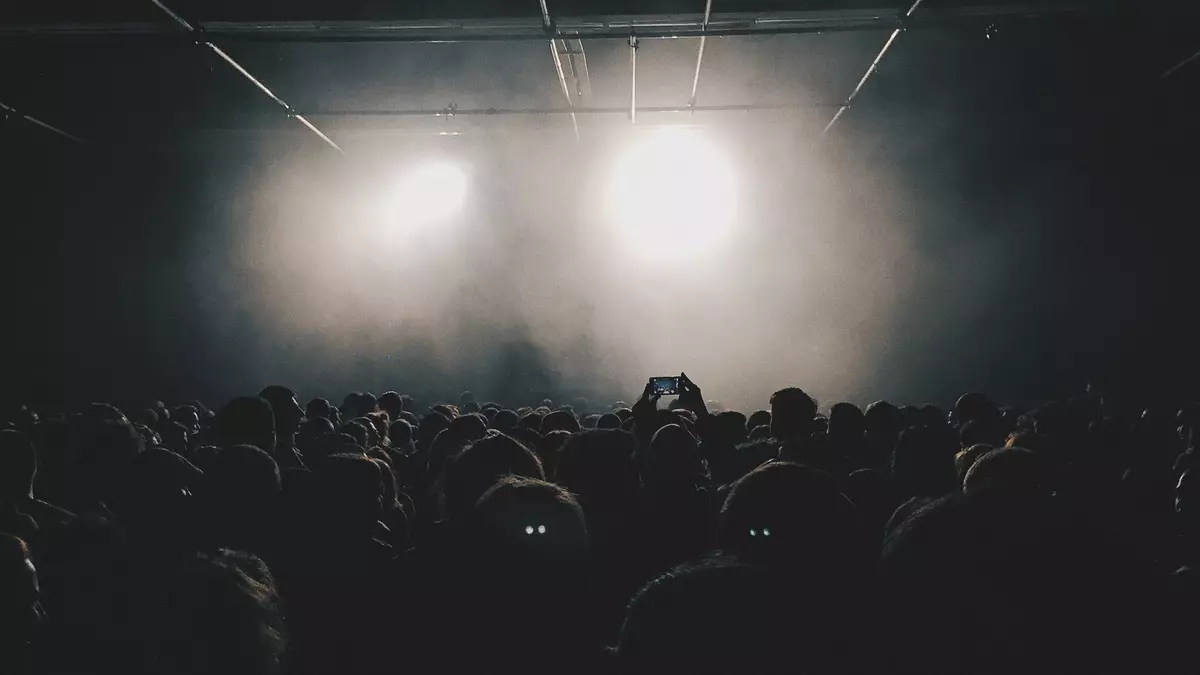
Lenny Kravitz is back on the road with his expansive Blue Electric Light world tour, bringing a mix of new material and classic hits to major arenas and festivals across Europe and beyond. Fans celebrate his high-energy blend of rock, funk and soul as the guitarist, singer and style icon showcases more than three decades of songs on stage.
On stage, Lenny Kravitz leans into the guitar-driven sound that made him one of the defining rock artists of the 1990s, while his current touring band stretches the new songs into extended jams. The shows underline how seamlessly his newer singles sit alongside his breakthrough hits from the early years of his career.
How Lenny Kravitz keeps his rock classics alive on stage
Background, chart facts and reactions surrounding Lenny Kravitz and his latest releases in one compact overview.
More news on Lenny Kravitz at AD HOC NEWS ->Tuesday focus: how Lenny Kravitz turns nostalgia into a live powerhouse
On a Tuesday night, a Lenny Kravitz concert often turns into a communal singalong as fans of different generations come together for his signature songs. His current tour concept underscores this multigenerational pull by sequencing newer material next to the tracks that defined his rise in the early 1990s.
The arrangement of the set shows a careful balance between uptempo rockers and slower, groove-focused songs. Kravitz and his band move from tight, riff-heavy pieces to expansive, soul-infused passages, giving the concerts an almost cinematic arc. Longtime supporters recognize the sound of a musician who has honed his live craft over decades.
The singer's visual presence also plays a major role in the current live production. Sunglasses, leather, denim and carefully chosen stage lighting create the visual frame for the music, while large video screens in many venues bring close-ups of guitar solos, brass lines and audience reactions to fans in the back rows.
Stage design on this tour uses a relatively open setup that puts the band at the center, rather than relying solely on complex props or massive special effects. The focus remains on musicianship and interplay, with extended sections for guitar, horns and backing vocals that highlight the band dynamic surrounding Kravitz.
For many visitors, the emotional peak of the evening comes when he reaches back to his earliest hits. These songs, originally released when physical albums and music television dominated, now resonate in a streaming age where younger fans may have discovered them via playlists or social media clips rather than record stores.
At the same time, the newer material shows how Kravitz keeps his songwriting rooted in classic rock and soul while updating production details. Live, these new tracks gain extra grit through louder guitars and open-ended endings, often closing with enthusiastic applause and extended cheering before the band moves into the next song.
Between songs, Kravitz typically addresses the audience with brief, focused messages about musical community and shared energy. The tone remains more about connection through music than about extended monologues, which keeps the momentum of the show intact and lets the songs speak for themselves.
The reaction on social media after recent shows underscores how effective this approach is. Fans share concert clips where the crowd sings along word for word, especially during the most iconic choruses. Others highlight the groove of the rhythm section or the way the horn section adds a funk edge to the rock foundation.
Another recurring theme in reports from the tour is the artist's stamina. Despite a career spanning more than three decades, Kravitz maintains a strong physical presence on stage, moving across the space, interacting with band members and using the microphone stand almost like an additional prop in his performance.
The sound mix at these shows generally places the vocals clearly in front while retaining a thick guitar texture, prominent bass and punchy drums. For the ballads and more restrained songs, the engineers dial back the volume slightly to leave room for dynamics, then push levels again for the big rock climaxes.
Many concertgoers comment on the precision of the band. Tight stops, synchronized accents between guitar and horns, and carefully rehearsed backing vocal harmonies point to the professional standard expected from a headline act on a major international tour.
In interviews around the tour, Kravitz often describes his catalogue as a living body of work that he can rearrange and reinterpret. The concerts reflect this philosophy by including subtle changes in intros, endings and transitions, ensuring that even classic songs keep a sense of freshness for fans who have seen him several times.
As the tour moves across different countries and cultures, the core of the show stays consistent while small adaptations acknowledge local audiences. A few words in the local language or a short reference to the city help to ground the evening and create a shared moment between artist and crowd.
For long-term fans, the current tour also serves as a reminder of how Kravitz emerged in the late 1980s with a sound that drew on 1960s and 1970s rock, soul and funk, yet felt fresh against the backdrop of that era's digital trends. The fact that these influences still dominate his live set gives the evening a strong sense of continuity.
At the same time, a new generation of listeners uses the current shows as an entry point into his discography. Many discover deeper album cuts after hearing them live, then seek out the studio versions on streaming services later, keeping his back catalog active in playlists and algorithmic recommendations.
The tour also highlights Kravitz's role as a guitarist. While he is widely recognized as a singer and songwriter, the live context puts the spotlight on his ability to drive songs with rhythm parts and then step into the lead role for solos that emphasize tone and melody more than showy speed.
From a production standpoint, the light show plays an important role in setting moods across the setlist. Warm, golden hues support the more soulful passages, while cooler, strobing effects underline the harder rocking moments. Carefully timed blackouts and slow fades add drama to song endings and transitions.
Audience demographics at recent concerts show a wide spread, from fans who bought the early albums on vinyl or CD to younger listeners who discovered his work through film soundtracks, commercials or curated playlists. This mix of ages underlines the cross-generational appeal of his catalogue.
Merchandise stands along the arena corridors continue the visual language of the tour with bold fonts, tour date backprints and imagery that reflects Kravitz's signature sunglasses and guitar silhouettes. Vinyl reissues, shirts and posters give fans tangible souvenirs in a music landscape increasingly dominated by digital formats.
Another dimension of the live experience is the sound of the crowd itself. From the first notes, the roar of the audience becomes a central element, particularly in enclosed arenas where the reflections amplify the noise and the singalongs fill the space with a choir-like effect.
For music observers, the current Kravitz tour underlines how legacy artists can still expand their audience while celebrating their history. By anchoring the show in strong live musicianship rather than only in nostalgic visuals, he positions himself as an active contemporary artist instead of a purely heritage act.
This approach also influences how media report on the concerts. Coverage often emphasizes not only which hits were played but also how the new material lands with audiences and how the band arrangements evolve compared to previous tours, giving critics and fans plenty to discuss after each show.
In conversation with fellow musicians, Kravitz's name frequently appears as an example of how to sustain a career without constantly chasing short-lived trends. The current tour, connected to a fresh studio release, demonstrates this long-term strategy in practice on some of the biggest stages in the rock and pop circuit.
While each city brings its own energy, the overall narrative remains that of an artist committed to the classic idea of a live rock show: real instruments, strong songs, and a direct connection between band and audience. In that sense, the Blue Electric Light era performs a double function as both celebration and reaffirmation.
As reviews and fan reactions accumulate, the picture that emerges is of a tour that respects nostalgia but does not freeze it in place. Instead, Kravitz lets his catalogue breathe, reshapes arrangements and invites audiences to experience familiar songs in slightly new ways within a tightly paced concert flow.
From the opening riff to the final bow, the story of this tour is one of endurance, craft and performance. It shows how a rock and pop artist with a deep catalog can remain present in a landscape dominated by short-form content and rapid release cycles, simply by delivering compelling live shows night after night.
Looking across his long career, the current run of dates fits into a pattern where studio work and touring reinforce each other. Newly released songs gain weight on stage, while classic tracks benefit from the renewed attention that surrounds a fresh album campaign.
On this basis, fans and observers can expect Lenny Kravitz to remain a reliable presence in the upper league of live rock acts, with the Blue Electric Light world tour serving as a current snapshot of his ongoing evolution as a songwriter, producer and frontman.
Key facts about Lenny Kravitz at a glance
- Act: Lenny Kravitz
- Genre: Rock, funk, soul, pop
- Origin: New York City, United States
- Active since: Late 1980s
- Key works: Let Love Rule, Are You Gonna Go My Way, 5, Blue Electric Light
- Label: Associated with major labels during most of his career
- Charts / certifications: Multiple international chart entries and several platinum awards in key markets
Lenny Kravitz: questions fans ask about the Blue Electric Light era
How does the Blue Electric Light world tour reflect Lenny Kravitz's long career?
The Blue Electric Light world tour functions as a career-spanning showcase that combines new songs with his best-known hits. By weaving recent material into the set alongside tracks from the 1990s and 2000s, Kravitz presents his work as a continuous story rather than a sequence of disconnected phases.
Which musical styles dominate Lenny Kravitz concerts on this tour?
The shows highlight a blend of rock, funk, soul and pop that has defined his sound from the beginning. Crunchy guitars drive many of the arrangements, supported by a tight rhythm section, melodic bass lines, expressive horn parts and soulful backing vocals that together create a rich, full-band atmosphere.
What makes Lenny Kravitz a distinctive live performer today?
His distinctiveness stems from a combination of stage presence, guitar work and a catalog of songs that audiences know by heart. He performs with the confidence of a veteran artist, yet still brings enough spontaneity to keep each show feeling specific to that night and that city.
This article was created with a.i. assistance and reviewed by editors. All information without guarantee.


