
The Clash and the Legacy of London Calling for New Generations
Published on 06/23/2026 at 04:27 | Editorial responsibility: Rafael Müller, Editor-in-Chief AD HOC NEWS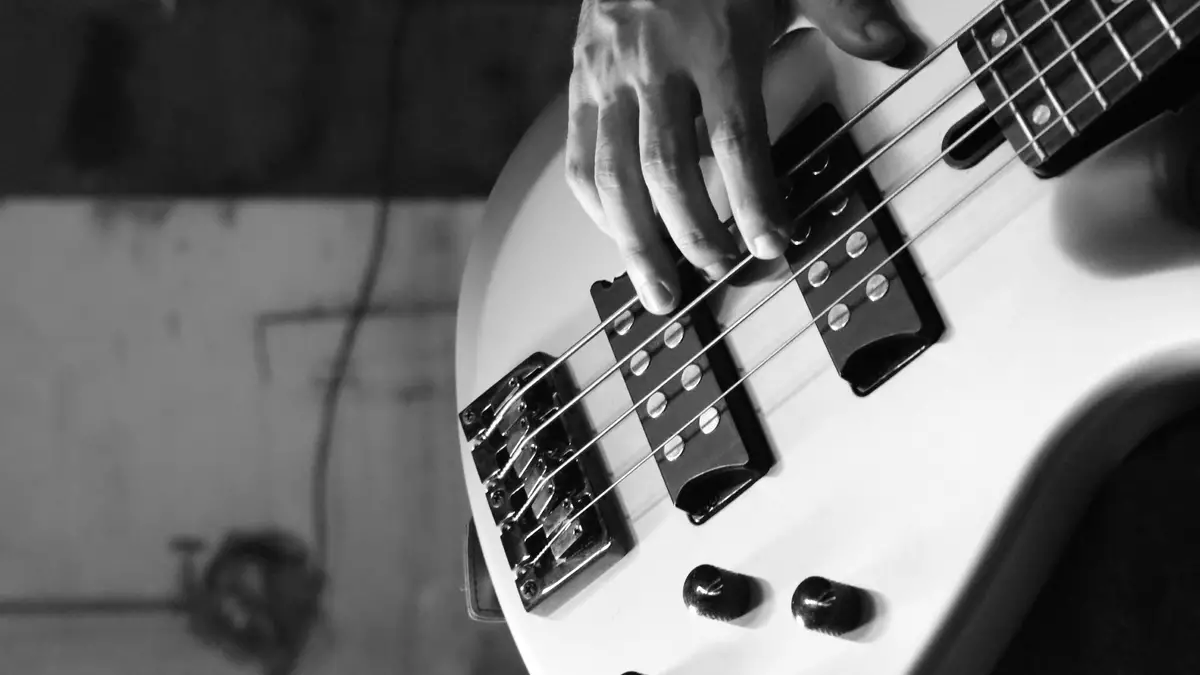
The Clash continue to shape how US and UK fans hear punk-infused rock, more than four decades after their breakthrough work. Their third album London Calling frequently appears on all-time lists from outlets such as Rolling Stone, which ranks it among the greatest albums ever made.
From London punk clubs to US stages
The Clash formed in London in 1976 and became central to the first wave of British punk alongside Sex Pistols and The Damned. By the late 1970s they were already touring beyond the UK, bringing a faster, politically charged sound into larger venues.
US audiences saw the band move from clubs to theaters around the time of their 1979 album London Calling, whose singles helped them cross from underground circles into more mainstream rock spaces. This period laid the groundwork for their later chart presence in America.
How London Calling changed expectations
Released in December 1979 in the UK and January 1980 in the US, London Calling expanded well beyond straightforward punk. The double album folded in rockabilly, reggae, ska and R&B, while keeping the group’s confrontational lyrics and urgency.
The record’s cover, with Paul Simonon smashing his bass onstage, has become one of rock’s most recognizable images. The visual nod to Elvis Presley’s debut album underlined how The Clash stepped into a broader rock lineage while still challenging its norms.
All news and background on The Clash
For deeper dives into The Clash, from classic albums to their influence on later bands, more coverage is available in the AD HOC NEWS archive.
The band’s musical core
The Clash blended punk energy with reggae, dub, rockabilly and later funk and early hip-hop elements, especially on Sandinista! and Combat Rock. Joe Strummer and Mick Jones shared songwriting and guitar duties, anchoring the group’s melodic and political focus.
Where The Clash stand today
The Clash disbanded in the mid-1980s and currently have no active lineup, but their catalog remains widely available on major streaming platforms and in ongoing reissues.
The Clash at a glance
- Act: The Clash
- Genre: Punk rock, post-punk, rock
- Origin: London, England
- Active since: 1976 (disbanded 1986)
- Lineup: Joe Strummer (vocals, rhythm guitar), Mick Jones (lead guitar, vocals), Paul Simonon (bass), Nicky Headon/Topper Headon (drums) in the classic era
- Label: CBS / Epic (historical)
- Key works: London Calling (1979), Sandinista! (1980), Combat Rock (1982), The Clash (1977)
- Current album/single: Catalog reissues of London Calling and Combat Rock continue to circulate in physical and digital formats
- Charts / certifications: London Calling has been listed among Rolling Stone’s 500 Greatest Albums of All Time and is widely cited as the band’s most acclaimed release
- Next live date: currently with no announced live date
Frequently asked questions about The Clash
When did The Clash release London Calling?
London Calling was released in December 1979 in the UK and in January 1980 in the United States, marking the band’s major international breakthrough.
What chart success did The Clash have in the US?
The Clash reached a wider US audience in the early 1980s, with songs like Rock the Casbah becoming staples on American rock radio and MTV, and the album Combat Rock delivering their strongest US chart performance.
Why are The Clash still influential?
The Clash remain influential because they combined punk attitude with diverse styles such as reggae and funk, wrote politically engaged songs and made albums like London Calling that critics frequently place among the greatest records in rock history.
This article was created with AI assistance and editorially reviewed. All information without guarantee; dates, chart positions and certifications may change at short notice.


