
The Cure revisit Disintegration live as catalog surges on streaming
Published on 06/18/2026 at 02:04 | Editorial responsibility: Rafael Müller, Editor-in-Chief AD HOC NEWS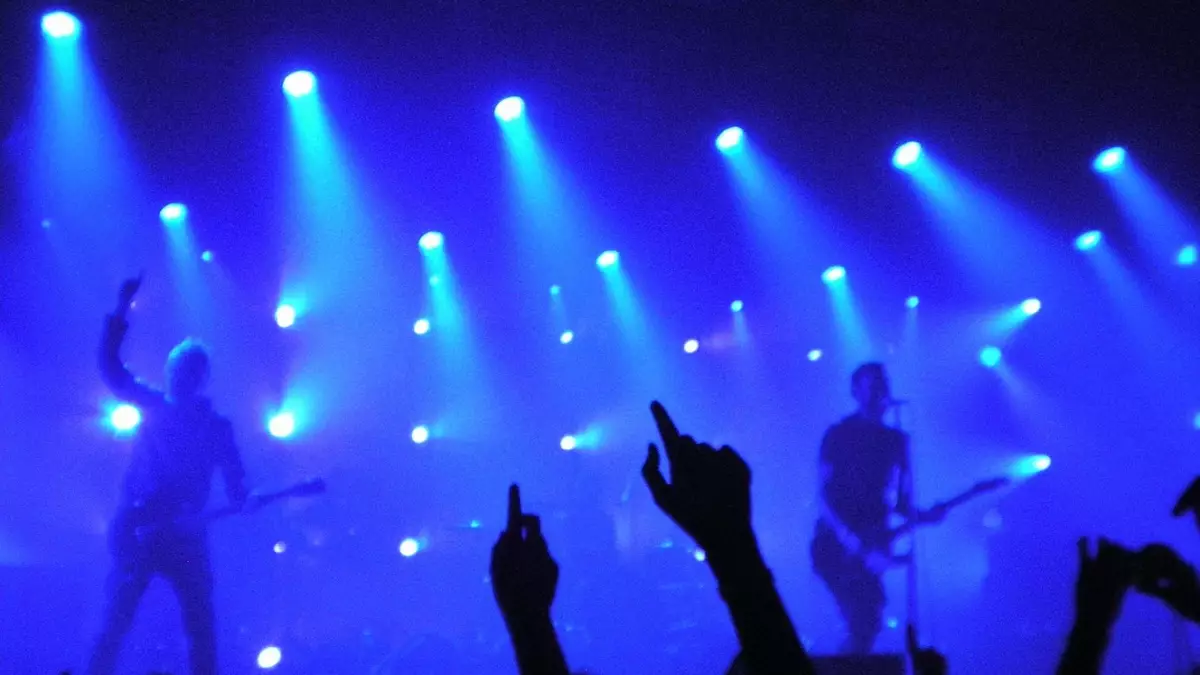
The Cure remain one of the most enduring bands in alternative rock, and their influence is once again in the spotlight as classic albums like Disintegration reach new listeners on streaming platforms and through anniversary reissues. Fans discover the band through playlists and social media, while long-time followers return to the catalog that helped define gothic rock and post-punk.
Formed in the English town of Crawley in the late 1970s, The Cure built a career that bridges punk, post-punk, goth, pop and stadium-sized rock. Their classic lineup around singer and guitarist Robert Smith turned introspective songs and atmospheric soundscapes into anthems, from the early days of sparse, anxious post-punk to lush, emotionally charged epics in the late 1980s and early 1990s.
How The Cure shaped generations of alternative fans
Background pieces, chart news and tour analysis on The Cure are available anytime via the AD HOC NEWS search function.
More news on The Cure at AD HOC NEWS ->Thursday focus: why Disintegration still defines The Cure for many fans
For many listeners, Disintegration from 1989 remains the key to understanding The Cure. Built around slow-building songs, echoing guitars, atmospheric keyboards and Robert Smith's unmistakable voice, the album combined emotional weight with melodic hooks. Tracks like Lullaby, Lovesong and Pictures of You show a band at the height of its songwriting powers, able to move from fragile whispers to towering choruses.
While earlier releases such as Seventeen Seconds, Faith and Pornography established The Cure as dark and uncompromising, Disintegration reached a wider audience without losing intensity. Its production favors long intros, detailed arrangements and a sense of space that feels almost cinematic. For many bands in indie rock, emo, shoegaze and post-rock, this album became a template for mixing vulnerability with grandeur.
Streaming platforms now bring these songs to listeners who were not yet born when the album came out. The combination of iconic cover art, instantly recognizable guitar tones and timeless lyrical themes makes the record a constant presence in rock playlists. Younger artists regularly cite The Cure as an influence, and many cover versions of Lovesong or Just Like Heaven appear in live sets and studio sessions across genres.
At the same time, long-time fans still debate which era of the band is the creative peak. Some point to the stark minimalism of the early 1980s, others to the hit-driven, more playful phase of the mid to late 1980s. Disintegration often functions as a bridge, connecting the austere early years with the broader appeal that followed.
The album's lasting popularity shows how The Cure turned deeply personal songwriting into something that resonates far beyond its original context. Even decades later, its emotional range feels relevant, whether listeners discover it through vinyl reissues, curated playlists or recommendations from older siblings and parents.
From Crawley to global stages: The Cure's rise through the 1980s
The story of The Cure begins in 1976, when a group of school friends in Crawley started playing together under various names before settling on their now-familiar band identity. Early releases arrived in a post-punk environment shaped by tension, experimentation and a desire to break away from classic rock forms. The band's debut introduced a lean, guitar-driven sound with a distinctly British moodiness.
As the 1980s progressed, The Cure evolved quickly. Albums moved from minimal, almost skeletal arrangements to more layered, atmospheric productions. The band expanded its sonic palette with keyboards, effects and more dynamic songwriting, balancing stark, introspective tracks with hooky singles. This period saw the emergence of songs that would become staples on alternative radio and in rock clubs.
Robert Smith's visual style, with teased hair, smeared lipstick and dark clothing, became as iconic as the music. For many fans, that image symbolized a space where outsider feelings and emotional intensity were not just accepted but celebrated. Concertgoers around the world began to mirror that style, turning shows into gatherings of a subculture that felt both intimate and international.
By the mid-1980s, The Cure had already released several albums viewed as classics. The balance of melancholic ballads, jagged post-punk tracks and unexpected moments of pop lightness set them apart from peers. Songs with instantly memorable guitar lines and choruses allowed the band to cross from underground clubs to larger venues and festival stages.
This development reshaped expectations for alternative bands. The Cure demonstrated that artists could maintain a distinct identity and still reach mainstream charts, without diluting the emotional core of their songwriting. That approach influenced many later groups that combined dark atmospheres with accessible hooks.
Goth, pop and beyond: how The Cure escape narrow labels
The Cure are often labeled as a goth band, and their influence on gothic culture is undeniable. Dark clothing, introspective lyrics and echoing guitar lines helped define a look and sound that spread through clubs, magazines and fan communities in the 1980s and early 1990s. However, this label only covers part of their work. The band's catalog also includes bright, catchy songs that became major pop hits.
Singles with danceable rhythms and sing-along choruses showed another side of Robert Smith's songwriting. Instead of abandoning the band's core mood, these tracks often combined bittersweet lyrics with upbeat arrangements. Fans could dance to them in clubs while still feeling the emotional nuance that runs through more somber material. This duality made The Cure attractive to listeners across subcultures.
In interviews over the years, Robert Smith has frequently pointed out that he never saw The Cure as fitting neatly into one category. The band used the studio as a laboratory, trying out different sounds, structures and effects while still maintaining a recognizable identity. As a result, newer listeners can discover The Cure through various gateways, from atmospheric deep cuts to radio-friendly anthems.
This openness to different moods and styles made the band a touchstone for genres that emerged later. Alternative rock bands picked up on the combination of introspection and volume, while indie pop acts admired the way The Cure wrote memorable melodies without smoothing away emotional tension. The influence can be heard in guitar tones, vocal delivery and song structures across decades.
Because of this range, playlists that collect The Cure's most popular songs often jump between moods and tempos. A haunting track may sit next to a bouncy, almost carefree tune, yet both are clearly part of the same artistic universe. This diversity keeps the catalog fresh and helps it fit into different listening contexts, from late-night introspection to festival warm-up sessions.
The Cure on stage: marathon concerts and dedicated fans
Live performances are crucial to The Cure's reputation. The band became known for long, immersive shows that frequently cross the three-hour mark, with setlists that dive deep into the back catalog. Fans attend multiple concerts during a tour, knowing that each night can bring a different mix of hits, rarities and extended jams. This approach strengthens the bond between band and audience.
Over decades, The Cure have played venues ranging from small clubs to arenas and major festival stages. Their concerts often feature simple but effective staging, with the focus firmly on the music, lighting and the emotional arc of the setlist. Instead of heavy choreography or flashy visuals, the band relies on atmosphere created through sound, color and Robert Smith's presence at the microphone.
Many fans describe their first Cure concert as a formative experience. The combination of volume, crowd energy and quiet moments during ballads can be overwhelming in the best sense. Singalongs to songs like Just Like Heaven or Lovesong show how deeply these tracks are embedded in collective memory, even among younger audience members discovering the band through family or streaming.
While the band has adjusted arrangements over the years, the core elements remain: shimmering guitar lines, rolling bass figures, steady drums and keyboards that add texture and mood. This consistency helps tie newer songs to earlier material, creating a through-line for listeners who follow The Cure across decades of releases and tours.
Because of the band's long history and extensive catalog, live setlists often span multiple eras. A show might move from early post-punk tracks into mid-1980s pop-leaning songs and then dive into the immersive world of Disintegration. This chronological cross-cutting gives fans a sense of the band's evolution while highlighting how well the songs sit together in a single evening.
Albums that shaped alternative rock
Across their career, The Cure released a series of albums that map out the development of alternative rock. Early releases sketched a minimal, tense sound built around clean guitar lines and urgent rhythms. These records captured the sense of uncertainty and experimentation that followed the first wave of punk, turning everyday anxieties into stark musical statements.
As the band gained experience and confidence in the studio, arrangements grew more complex. Layers of guitar, carefully placed keyboard parts and more varied drum patterns created a richer sonic world. Songs extended in length, allowing themes to unfold slowly rather than rushing to choruses. This approach reached a peak with albums that favored mood and texture as much as traditional hooks.
At the same time, The Cure never abandoned the power of a strong melody. Their discography contains numerous singles that became staples on radio and music television. These tracks often serve as entry points for new fans, who then explore deeper album cuts. It is common for listeners to start with a hits collection and eventually move on to full albums, discovering the context around familiar songs.
Collectors value The Cure's discography for its variety. Some albums emphasize tightly written songs and shorter running times, while others present lengthy, immersive journeys. Fans build personal hierarchies of favorites, debating which era or record represents the band's essence. This ongoing discussion keeps the catalog alive and encourages repeated listening.
For many musicians, The Cure's albums function as a school in songwriting, production and emotional storytelling. Guitarists study the use of chorus, delay and reverb, while vocalists pay attention to how Robert Smith delivers lines that balance vulnerability and strength. Producers and engineers note the band's ability to create atmosphere without sacrificing clarity.
Lyrics and mood: how Robert Smith writes for outsiders
Robert Smith's lyrics are one of The Cure's strongest trademarks. Often written in the first person, they explore themes of love, loss, memory, fear and fleeting happiness. Instead of telling straightforward stories, many songs capture moments, feelings and fragmented images, leaving space for listeners to project their own experiences onto the words.
Fans often connect to these lyrics during adolescence or young adulthood, when feelings of not fitting in are particularly strong. The Cure give language and sound to emotions that are difficult to articulate. Even when listeners grow older, the songs can take on new meanings, reflecting different phases of life, relationships and self-image.
The mood of many tracks is deeply melancholic, but The Cure also know how to express joy, desire and wonder. This mixture prevents the catalog from feeling one-dimensional. Even on darker albums, flashes of hope or tenderness appear in melodies, chord changes or short lyrical turns. That complexity mirrors real emotional life more closely than a strictly gloomy or upbeat approach.
Unlike some bands that rely heavily on narrative lyrics, The Cure often work with repetition, echoing phrases and subtle variations. This technique, combined with long instrumental passages, creates a hypnotic effect. Songs can feel like emotional weather, gradually shifting rather than moving in clear plot lines from point A to point B.
Because the lyrics are rarely tied to specific historical events or names, many songs age gracefully. They avoid dated references and instead focus on feelings that remain recognizable across generations. This timelessness contributes to the band's continuing relevance on streaming platforms and in the live context.
A sound that shaped guitar generations
The guitar work in The Cure is a major reason for the band's enduring influence. Early on, the group moved away from blues-based rock patterns, favoring shimmering arpeggios, clean tones and melodic lines that function almost like secondary vocal parts. Effects such as chorus, flanger, delay and reverb are used not as gimmicks but as integral components of the sound.
Many guitarists who grew up in the 1980s and 1990s cite The Cure as key inspiration. The band's approach showed that guitars could create atmosphere and emotional nuance rather than just drive power chords. Layers of intertwined parts form a sonic architecture that supports the vocals while giving listeners details to discover with each play.
Bass and drums also play decisive roles. The bass often carries melodic responsibility, moving independently of the guitar and adding depth to the harmonic structure. Drumming combines steady grooves with subtle fills and dynamic control, supporting long song structures without becoming monotonous. This rhythm section approach gives The Cure's music a fluid, rolling motion.
Keyboards and synths round out the picture. From simple, icy lines to lush string-like pads, these sounds help define the mood of each song. Rather than dominating the arrangements, they interweave with guitar figures and vocal lines, contributing to the band's layered feel. The result is a sound that can feel intimate on headphones and expansive in large venues.
This blend of elements has influenced not only rock bands but also producers in genres such as dream pop, shoegaze and even electronic music. Many artists borrow The Cure's sense of space and texture, translating it into their own sound worlds. The band's willingness to experiment with timbre, while maintaining strong melodic centers, offers a model for creative production.
Streaming, discovery and the next generation of Cure fans
In the streaming era, The Cure's music reaches listeners in ways that differ from the original vinyl and CD context. Instead of buying complete albums, many people encounter the band first through curated playlists, algorithmic recommendations or short video clips on social media. Key tracks appear in mood-based lists for late-night listening, studying or reflective moments.
Once a song catches a listener's attention, streaming platforms make it easy to dive deeper into the catalog. Users can follow artist pages, explore discographies, save tracks to their own playlists and compare different versions of songs, such as live recordings or remastered editions. This process often leads to a renewed interest in full albums like Disintegration or The Head on the Door.
Social media also plays a role in keeping The Cure present in digital culture. Fans share concert memories, photos of old tour shirts and vinyl collections, as well as memes and fan art based on Robert Smith's distinctive look. Younger listeners may first encounter the band through a short clip set to a classic Cure track in a video app before realizing the song is decades old.
For some, this discovery leads to exploration of related artists and genres. Because The Cure sit at a crossroads of post-punk, goth, alternative rock and pop, they function as a hub in recommendation algorithms. Follow-up suggestions might include earlier or later scenes, helping listeners map out a broader musical landscape anchored around the band's work.
At the same time, older fans use streaming services to revisit albums they originally knew on cassette or vinyl. Remastered editions offer clearer sound, and high-quality headphones reveal details in the arrangements that may have been less prominent on older hardware. This combination of nostalgia and fresh perception keeps engagement with the catalog active.
The Cure and their influence on modern indie and emo
The influence of The Cure extends strongly into modern indie rock and emo scenes. Many bands borrow elements of the group's sound, from jangly yet melancholic guitar tones to emotionally charged vocals that avoid macho posturing. Lyrics that explore vulnerability, confusion and longing trace a direct line back to Robert Smith's early writing.
In the 2000s and 2010s, several waves of bands openly paid tribute to The Cure through cover songs, references in interviews and visual nods such as smeared eyeliner or teased hair. Festival lineups sometimes pair veteran acts with younger groups clearly inspired by them, creating live dialogues between generations. Fans can hear how certain progressions, bass figures or melodic gestures echo The Cure's legacy.
Producers working with indie and emo artists often reference The Cure's albums when discussing guitar tones or mixing aesthetics. Reverb-drenched leads, wide stereo fields and carefully sculpted low end show the band's indirect presence in modern tracks. Even when the rhythm patterns or vocal styles differ, the underlying approach to atmosphere and emotional intensity remains connected.
This ongoing influence means that discovering a new indie band can lead listeners back to The Cure, and vice versa. A teenager who falls in love with a contemporary song may realize that its DNA includes motifs developed by The Cure decades earlier. In turn, exploring the older catalog deepens understanding of how musical ideas travel through time.
For musicians, The Cure's example provides encouragement that a band can evolve, experiment and still maintain a coherent identity. The willingness to embrace both dark and bright moods, to write long and short songs, and to treat image as part of an artistic whole offers a model for sustainable creativity in a changing industry.
The culture around The Cure: fashion, fandom and identity
Beyond the music, The Cure played a central role in shaping subcultural identities. Fans adopted elements of Robert Smith's style, from dark clothing and tousled hair to smudged makeup and silver jewelry. This visual language signaled a connection to certain values: sensitivity, introspection, romanticism and a sense of not fully belonging to the mainstream.
In many cities, club nights dedicated to post-punk, goth and darkwave feature Cure songs as highlights, often reserved for key moments in the evening. Hearing a familiar intro can draw people to the dance floor, where shared recognition creates an instant sense of community. The music becomes a soundtrack for rituals of togetherness built on shared tastes and experiences.
Fanzines, later replaced or supplemented by online forums and social media groups, allowed fans to exchange live reports, interpretations of lyrics and personal stories connected to specific songs. Many describe how a Cure track helped them through difficult periods or provided a feeling of being understood when local surroundings felt hostile or indifferent.
Merchandise, from classic band shirts to more elaborate designs, serves as a wearable archive of tours and eras. Vintage pieces, especially from early tours or key album cycles, are highly valued. New generations sometimes inherit shirts, posters or vinyl from older relatives, turning fandom into a family matter that spans decades.
This cultural ecosystem ensures that The Cure are not just a band from the past but a living reference point. Fashion designers, filmmakers and visual artists continue to draw inspiration from the band's imagery and mood, weaving subtle tributes into new works that reach audiences far beyond traditional rock circles.
Looking at The Cure's legacy in rock history
When assessing rock history, The Cure occupy a unique position. They emerged from the same late 1970s environment that produced many post-punk and new wave acts, yet their trajectory diverged through a mix of perseverance, stylistic flexibility and a strong central vision. The group managed to navigate changing industry conditions while keeping core artistic values intact.
Critics often highlight the band's ability to combine commercial success with experimental tendencies. Albums that spawned hit singles also contain long, unconventional tracks that challenge radio formats. This dual approach broadened the possibilities for what a successful rock band could sound like at a time when genre boundaries were more rigid than today.
From a historical perspective, The Cure helped normalize emotional vulnerability in rock lyrics. While predecessors had expressed pain and doubt, Robert Smith's writing placed these feelings at the center rather than treating them as exceptions. This shift paved the way for later waves of artists who foreground mental health, introspection and complicated relationships.
The Cure also contributed to the acceptance of non-macho masculinity in rock. Robert Smith's visual style and vocal delivery diverged from traditional rock frontman models, offering an alternative that resonated strongly with listeners who did not identify with hardened poses. This representation mattered for fans who were seeking different ways of being in the world.
Looking across the decades, the band's discography and stage history form a continuous thread through changing musical eras. From analog recording studios to digital platforms, from underground clubs to global festivals, The Cure adapted without losing the essence that drew fans in the first place. That durability secures their place in the broader story of rock and pop.
Key facts about The Cure at a glance
- Act: The Cure
- Genre: Alternative rock, post-punk, goth-inspired pop
- Origin: Crawley, West Sussex, United Kingdom
- Active since: late 1970s
- Key works: Seventeen Seconds, Faith, Pornography, The Head on the Door, Kiss Me, Kiss Me, Kiss Me, Disintegration, Wish
- Label: various, including long phases with major-label backing
- Charts / certifications: multiple internationally charting albums and hit singles across the 1980s and 1990s
FAQ: The Cure for new and returning listeners
How would you describe The Cure's main musical style?
The Cure blend alternative rock, post-punk and goth influences with a strong sense of melody. Their sound ranges from sparse, moody arrangements to lush, atmospheric epics, often built on chiming guitars, melodic bass lines and emotive vocals.
Which The Cure album should newcomers hear first?
Many new listeners start with a compilation of well-known songs to get an overview of the band's range. From there, albums like Disintegration, The Head on the Door or Wish often serve as next steps, offering full-length experiences that show different sides of the group.
Why is Disintegration considered so important in The Cure's career?
Disintegration is widely seen as a creative peak because it combines the band's atmospheric strengths with focused songwriting. Long, immersive tracks sit alongside memorable singles, creating an album that works both as a complete journey and as a source of individual favorites.
How have The Cure influenced modern bands?
The Cure's impact can be heard in genres such as indie rock, emo, dream pop and post-rock. Many artists borrow elements of their guitar sound, atmospheric production and emotionally open lyrics, adapting these ideas to contemporary contexts while acknowledging the band's legacy.
What makes The Cure's live shows special for fans?
The band is known for long, varied setlists that reach deep into the catalog. Fans appreciate the emotional intensity, the mixture of hits and rarities, and the way concerts often feel like shared journeys through several decades of music, rather than simple greatest-hits presentations.
This article was created with a.i. assistance and reviewed by editors. All information without guarantee.


