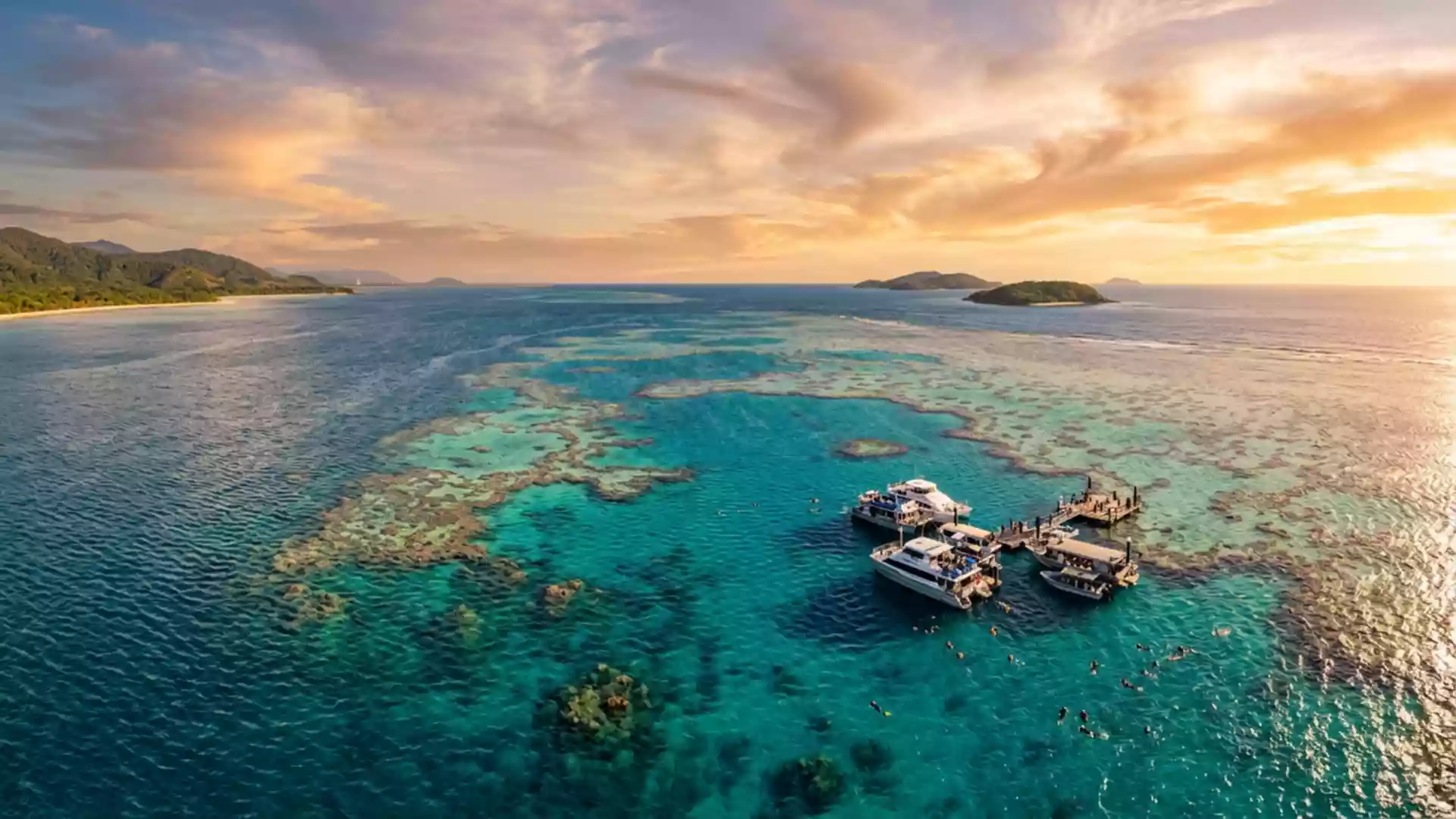
AIMS starts Great Barrier Reef restoration trial on 5 November
Published on 11/07/2026 at 11:22 | Editorial responsibility: Rafael Müller, Editor-in-Chief AD HOC NEWSRestoration plans in focus
- AIMS began the Pilot Deployments Program work on 5 November 2026 with partners linked to Cairns and the reef.
- ReefSeed units will rear young corals on land before their planned deployment after the November full moon.
- The three-year programme is funded by the Australian Government’s Reef Trust and led by AIMS.
- Up to 120,000 seeding devices are planned for reefs off Cairns and Port Douglas in the 2026-27 trials.
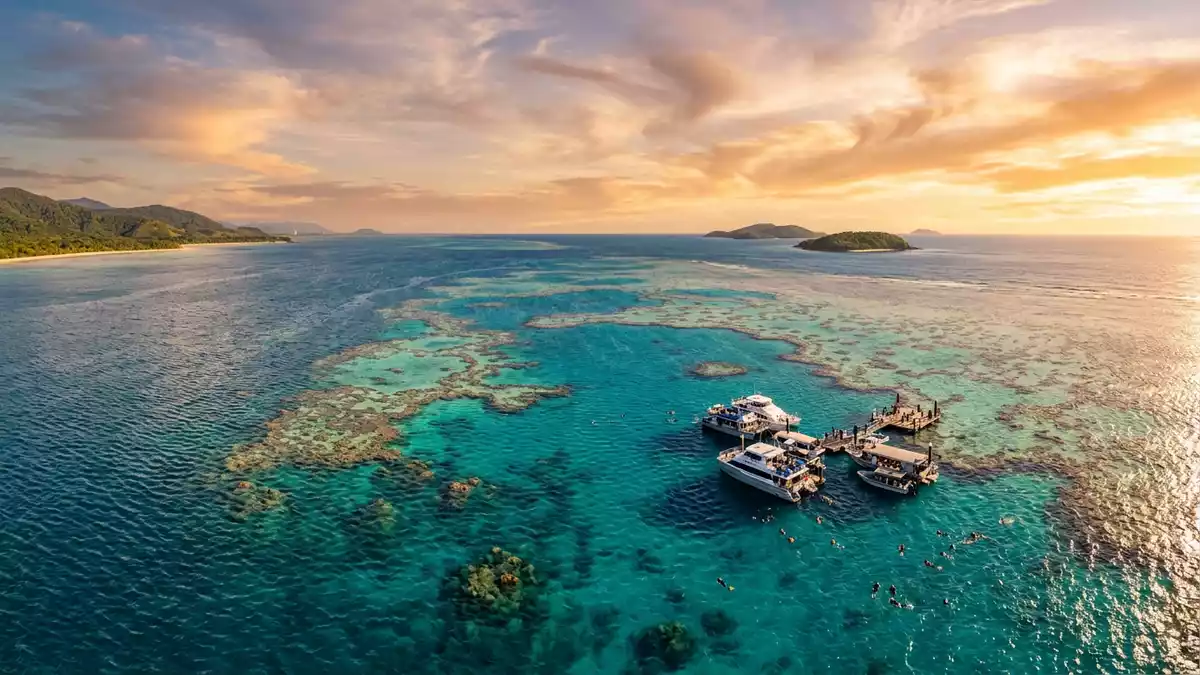
The Great Barrier Reef is the setting for a coral restoration trial that AIMS began on 5 November 2026, with operations planned off Cairns. The Australian Institute of Marine Science is working with coral aquaculture operators, Traditional Owner groups and other partners during the annual spawning season.
AIMS begins a new restoration trial on the reef
The Pilot Deployments Program is the operational testing phase of the Reef Restoration and Adaptation Program. AIMS says the current work is one of the largest coral restoration field trials undertaken on the Great Barrier Reef, and the programme is designed to test restoration methods in real reef conditions.
Training has taken place at AIMS in Townsville, where partners are learning to operate ReefSeed units and use conservation aquaculture techniques. These units are transportable systems developed by AIMS. They allow corals to be spawned and reared in land-based facilities before young corals are placed on specially designed seeding devices.
The 2026-27 trials aim to deliver up to 120,000 seeding devices to reefs around the Keppel Islands and off Cairns and Port Douglas. Multiple young corals can be settled on each device. The planned deployments are linked to the November full moon, while other work will collect wild coral spawn for fertilisation, rearing and release. The AIMS announcement on 5 November names Cairns Marine among the participating industry partners.
How the restoration programme relates to Cairns
The reef stretches across a vast marine area, so the programme is testing more than the biology of young corals. It is also examining the equipment, people, supply chains and monitoring needed to repeat restoration work at larger scale. The Pilot Deployments Program overview describes two initial approaches: collecting coral larvae from wild spawning events and rearing corals in land-based aquaculture facilities.
That makes the Cairns connection practical rather than symbolic. The northern trials are planned on reefs off Cairns and Port Douglas, while Cairns Marine is preparing to operate a ReefSeed system at its facility. AIMS says the system can produce millions of coral larvae and hundreds of thousands of young corals for reefs in Australia and overseas.
After deployment, sites are geotagged and monitored at six-month and one-year intervals. The measurements are intended to track device retention, coral growth and survival. The programme is funded by the Australian Government’s Reef Trust and led by AIMS as part of the Reef Restoration and Adaptation Program.
What the 2026-27 field work means for visitors
The announcement concerns scientific field work rather than a public festival or a special opening. Travellers using Cairns as a gateway to the reef should therefore expect the restoration activity to take place on selected reef sites and at partner facilities, not as a visitor programme.
The project also places marine tourism within a wider network of research and conservation activity. AIMS says tourism and Indigenous ranger groups are among the partners involved in approaches that collect wild spawn and prepare young corals for later deployment.
Visiting Great Barrier Reef: what travellers from Western Europe should know
- The current restoration work was announced on 5 November 2026. Planned northern deployments concern reefs off Cairns and Port Douglas during the 2026-27 trial season.
- The field trial is not announced as a public opening or visitor attraction. Access to research facilities, vessels and deployment sites is not specified in the announcement.
- Cairns is the named regional base for part of the work, while the reef sites are offshore locations selected for the Pilot Deployments Program.
- The work involves marine conditions, vessels and underwater reef environments. AIMS says the devices and young corals will be monitored after deployment.
- Entry requirements depend on your nationality; UK travellers can check the FCDO travel advice at gov.uk/foreign-travel-advice, Irish travellers the Department of Foreign Affairs at ireland.ie.
Searching for Great Barrier Reef on social platforms
These links open searches for Great Barrier Reef on each platform.
Frequently asked questions about Great Barrier Reef
What has changed at Great Barrier Reef?
AIMS began a new phase of field work on 5 November 2026, moving restoration methods towards larger real-world trials on selected reef sites.
What is the Pilot Deployments Program?
It is a three-year programme led by AIMS that tests wild-larvae collection and land-based coral aquaculture for reef restoration.
Where is Great Barrier Reef and how do you get there?
The reef is offshore from Queensland, with Cairns serving as a named base for the northern restoration work. The announcement does not specify transport to research sites.