
Antigua Guatemala, a colonial city in a valley of volcanoes
Published on 09/22/2026 at 00:44 | Editorial responsibility: Rafael Müller, Editor-in-Chief AD HOC NEWS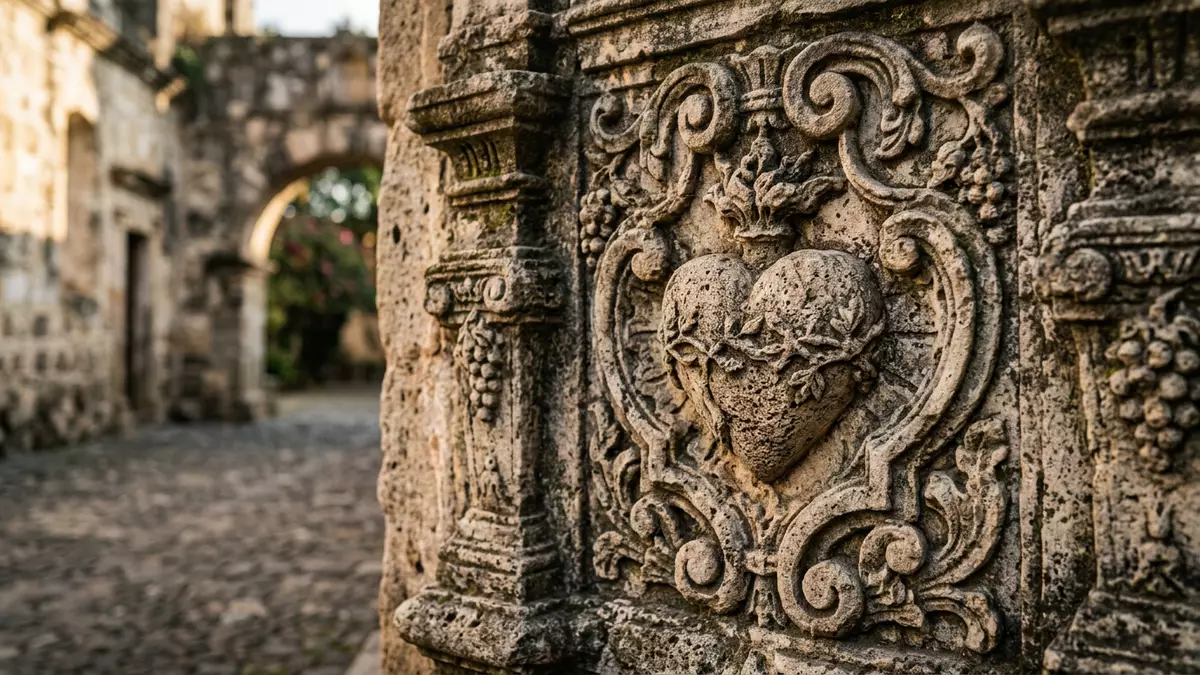
Antigua Guatemala is a historic city in the central highlands of Guatemala, framed by volcanic cones and laid out on a strict grid of streets and plazas. Founded in the sixteenth century as Santiago de los Caballeros de Guatemala, it served for centuries as the capital of the Captaincy General of Guatemala, leaving a dense fabric of churches, convents and civic buildings in Spanish baroque style that still define its centre.
A planned colonial capital beneath Volcán de Agua
Antigua Guatemala occupies the Panchoy Valley in Guatemala’s Sacatepéquez Department, at an elevation of around 1,500 m (about 4,900 ft) above sea level, with the slope of Volcán de Agua rising directly beyond its outskirts.Antigua Guatemala lies in the Panchoy Valley The location places the city within Guatemala’s central highlands, west of Guatemala City, and brings the silhouettes of Volcán de Fuego and Acatenango into the wider skyline.surrounded by the cones of Agua, Fuego and Acatenango
The historic centre follows a regular grid plan, one of the earliest examples of such urban planning in Latin America, with straight streets crossing at right angles and meeting at a central plaza.built on a grid pattern inspired by the Italian Renaissance Low, one- or two-storey buildings line the cobbled streets, their façades marked by arcades, carved portals and modest balconies. At key intersections the baroque fronts of churches and convents face the street, giving the urban fabric a rhythm of religious monuments set among houses and small commercial premises.
From Santiago de los Caballeros to “Old Guatemala”
The settlement that became Antigua Guatemala was founded in 1524 as Santiago de Guatemala by Spanish conquistadors led by Pedro de Alvarado, in the early phase of colonial rule in Central America.founded in 1524 as Santiago de Guatemala Re-established a few years later and later known formally as Santiago de los Caballeros de Guatemala, it took on the role of capital of the Captaincy General of Guatemala, administering a territory that extended across much of present-day Central America.capital of the Captaincy General of Guatemala from 1543 through 1773
Major earthquakes in the eighteenth century led to heavy damage and the decision to move the capital to the site of modern Guatemala City in the 1770s, leaving Antigua as “Old Guatemala”, a name that reflects its continuing identity as the former seat of government.largely destroyed by an earthquake in 1773 but its principal monuments are still preserved as ruins Many religious and civic buildings remained in place, some repaired and others preserved as ruins, so that the streets still carry the outlines of the colonial capital in the form of standing churches, cloisters, courtyards and arcaded frontages dating from the sixteenth to the eighteenth centuries.concentration of churches, convents and civic buildings in Spanish baroque style
Baroque architecture and World Heritage status
Antigua Guatemala’s historic core is characterised by Spanish baroque-influenced architecture applied to churches, convent complexes and civic structures that align with the streets and plazas.Spanish Baroque-influenced architecture and layout Church façades show sculpted niches, pilasters and pediments, while interior courtyards of former monasteries and civic buildings open off arcaded cloisters. In several places earthquake-damaged structures stand as stabilised ruins, their walls and arches rising above gardens or open spaces and forming some of the city’s most recognisable silhouettes.
In 1979 Antigua Guatemala was inscribed as a cultural site on the UNESCO World Heritage List, recognised for the way its architecture, urban plan and concentration of colonial religious monuments represent a significant phase of Spanish colonial town planning in the Americas.UNESCO World Heritage Site in 1979 The designation covers the historic urban area, where the pattern of streets and blocks, combined with baroque churches, convents and civic buildings, presents a coherent picture of a planned colonial capital set within a valley of volcanoes.inscribed on the UNESCO World Heritage List as a cultural site
Visiting Antigua Guatemala: what travellers from Western Europe should know
- Antigua Guatemala lies in Guatemala’s Sacatepéquez Department in the central highlands, south-west of Guatemala City, and is reached by road through the mountains.
- The historic centre stands at highland elevation, with cobbled streets and uneven pavements; walking between sights involves short gradients and occasional steps.
- The city is surrounded by volcanoes, with Volcán de Agua close by and Volcán de Fuego and Acatenango further off, giving clear visual bearings when moving through the streets.
- The official language is Spanish and the currency is the Guatemalan quetzal.
- Entry requirements depend on your nationality; UK travellers can check the FCDO travel advice at gov.uk/foreign-travel-advice, Irish travellers the Department of Foreign Affairs at ireland.ie.
Searching for Antigua Guatemala on social platforms
These links open searches for Antigua Guatemala on each platform.
Frequently asked questions about Antigua Guatemala
Where is Antigua Guatemala located?
Antigua Guatemala is in Guatemala’s Sacatepéquez Department in the central highlands, south-west of Guatemala City, in the Panchoy Valley beneath Volcán de Agua.
What can visitors expect in Antigua Guatemala?
Visitors encounter a planned colonial city with a grid of cobbled streets, low baroque-era buildings, standing churches and ruins, all set against a backdrop of volcanoes.
What makes Antigua Guatemala distinctive among historic cities?
The combination of sixteenth- to eighteenth-century Spanish baroque architecture, a strict street grid and its setting below volcanic slopes led to its recognition as a UNESCO World Heritage Site.


