Ayasofya in Istanbul and its vast Byzantine dome
Published on 09/01/2026 at 09:29 | Editorial responsibility: Rafael Müller, Editor-in-Chief AD HOC NEWS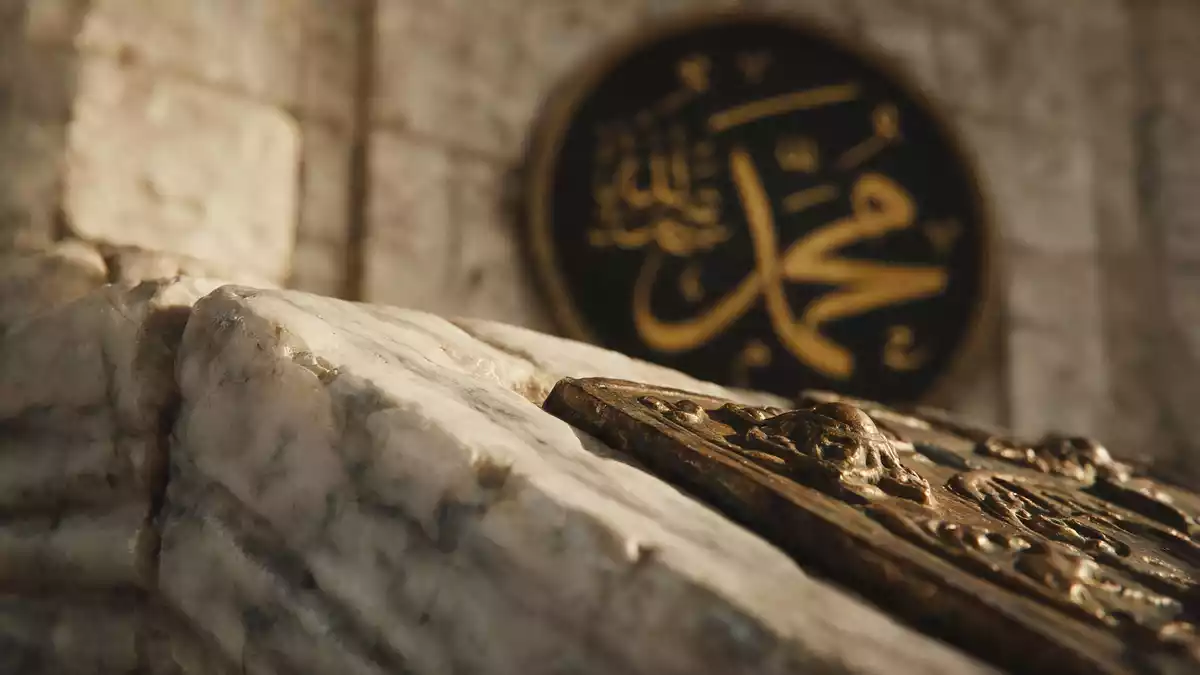
Ayasofya in Istanbul, also known as Hagia Sophia or “Holy Wisdom”, brings a single vast domed space together with layers of Christian and Islamic art inside one monumental shell. Built as the principal cathedral of the Eastern Roman Empire in the sixth century, it later became an imperial mosque under the Ottomans and stands today within the Historic Areas of Istanbul that are recognised as a World Heritage Site.
A sixth-century cathedral under an immense dome
The Ayasofya that rises above the historic peninsula of Istanbul is the third church constructed on this site by the Eastern Roman Empire and the one that has endured.third church constructed on this site Construction began under Emperor Justinian I in 532 and the cathedral was completed and opened for worship in 537, a remarkably rapid programme for a building of this scale.construction began in 532 and was completed in five years
Ayasofya was conceived as the principal basilica of Constantinople, combining a longitudinal basilica plan with a centralised domed space that rises above a rectangular hall.principal church of the Byzantine capital The main dome rests on pendentives, a structural device that transitions from the square of the supporting piers to the circular base of the dome and became one of the building’s most influential features in the history of architecture.domed basilica with pendentives
From Byzantine cathedral to Ottoman mosque
For centuries after 537 Ayasofya served as the main cathedral of the Byzantine rite in Constantinople, with its Greek name Hagia Sophia, “Holy Wisdom”, expressing its religious role at the heart of the empire.Hagia Sophia, “Holy Wisdom” In 1453 Sultan Mehmed II captured the city for the Ottoman Empire and the building was converted into an imperial mosque, with minarets constructed beside the domed mass and Islamic furnishings added within the former cathedral space.converted into a mosque after the conquest of 1453
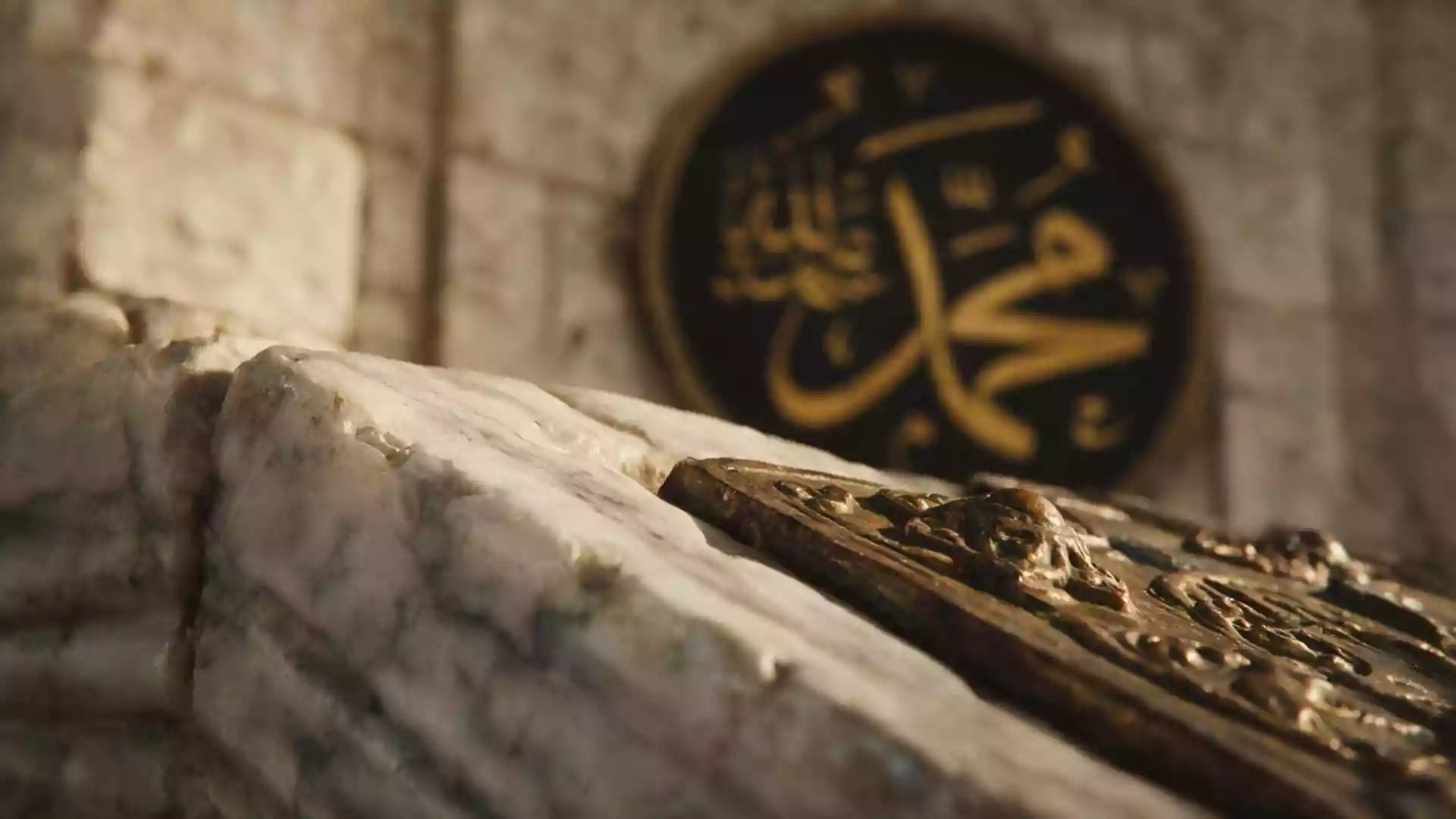
During the Ottoman period, Ayasofya was reinforced and altered, most notably in the sixteenth century when the architect Mimar Sinan added substantial buttresses and other structural supports that contribute to the silhouette visible today.Mimar Sinan reinforced the dome with buttresses These additions sit alongside large discs bearing calligraphic medallions, prayer niches and other elements that mark the interior as a mosque while the underlying marble revetments and surviving mosaics recall the building’s origin as a Byzantine cathedral.mixture of Christian mosaics and Islamic fittings
Marble, mosaics and World Heritage
Inside Ayasofya, visitors encounter patterned marble panels, columns and pavements brought together in complex arrangements that emphasise the scale of the central hall beneath the dome.largest church built in the Eastern Roman period in Istanbul Above the stone, Byzantine mosaics depicting religious figures survive in various parts of the building, sharing walls with later Ottoman inscriptions and architectural additions that mark the mosque phase.
Ayasofya forms part of the Historic Areas of Istanbul that are inscribed on the World Heritage List, recognised for their outstanding testimony to the meeting of Europe and Asia and for the architectural achievements of the Byzantine and Ottoman periods.part of the Historic Areas of Istanbul World Heritage property The endurance of its sixth-century structure, the later Ottoman strengthening and the coexistence of Christian and Islamic art inside the same envelope give the building a particular place within that wider historic landscape.
Visiting Ayasofya: what travellers from Western Europe should know
- Ayasofya stands in the Sultanahmet area of Istanbul’s historic peninsula, close to the Blue Mosque and facing the former Hippodrome. It is reached by road and by urban rail services that serve the historic districts.
- The building’s interior is arranged across a main floor and higher galleries linked by ramps and stairways. Surfaces are largely stone, and some routes involve uneven steps and confined passages.
- The official language is Turkish and the currency is the Turkish lira.
- Entry requirements depend on your nationality; UK travellers can check the FCDO travel advice at gov.uk/foreign-travel-advice, Irish travellers the Department of Foreign Affairs at ireland.ie.
Searching for Ayasofya on social platforms
These links open searches for Ayasofya on each platform.
Frequently asked questions about Ayasofya
Where is Ayasofya located within Istanbul?
Ayasofya stands in the Sultanahmet district on the historic peninsula of Istanbul, near the former Hippodrome and facing the Blue Mosque across a public square.
What should visitors expect inside Ayasofya?
Visitors encounter a large domed hall lined with marble and a mixture of Christian mosaics and Islamic elements, with access to upper galleries reached by ramps and stairways.
What makes Ayasofya distinctive among historic buildings?
Ayasofya combines a sixth-century Byzantine cathedral structure with Ottoman mosque additions and forms part of Istanbul’s World Heritage areas, making its layered interior distinctively cross-cultural.