
Bob Marley Museum and the preserved home of a reggae legend
Published on 09/02/2026 at 13:10 | Editorial responsibility: Rafael Müller, Editor-in-Chief AD HOC NEWS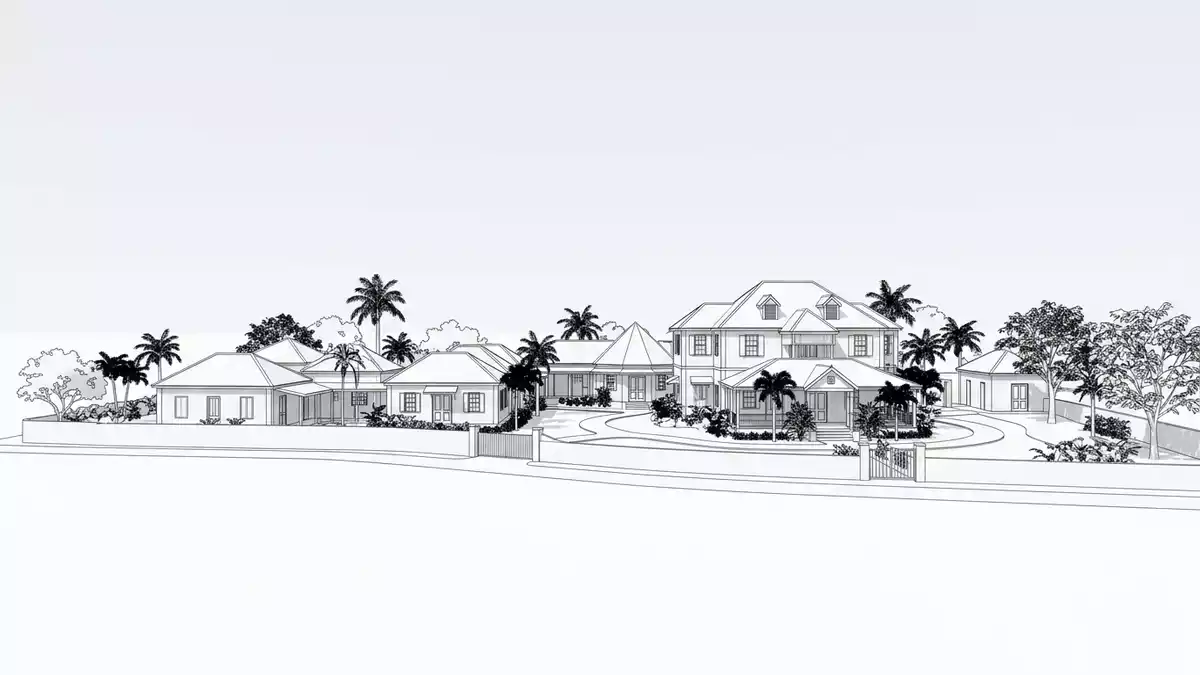
Bob Marley Museum in Kingston is a house museum where reggae history is walked room by room through the former home of Robert Nesta Marley at 56 Hope Road, set in a nineteenth-century Jamaican residence that was later adapted to tell his story.
A nineteenth-century house on Hope Road
The Bob Marley Museum occupies a late nineteenth-century house on Hope Road in Kingston, built in a domestic style that combines timber elements with masonry walls.This house, featuring nineteenth-century architecture The building stands in the Kingston 6 district, on a plot that once formed part of a larger estate known as Odnil, in an area that developed as an upscale suburban neighbourhood.
The house at 56 Hope Road later became associated with Island Records and its founder Chris Blackwell, before it was purchased by Bob Marley in 1975 as his Kingston base during a crucial period of his recording career.The property was purchased over a century ago by Cecil Lindo The address places the museum within the wider Kingston and Saint Andrew area, a short distance inland from the harbour and within reach of other historic houses and civic spaces that mark Jamaica’s capital.
From family home to museum of reggae
Bob Marley bought the house at 56 Hope Road in 1975 and lived there until his death in 1981, making it the Kingston address most closely linked with his life and work.The museum is located at 56 Hope Road, Kingston, and is Bob Marley's former place of residence The rooms hold personal objects connected to Marley and his family, including stage clothing, musical awards and everyday furnishings that reflect how the household functioned in the 1970s.
Rita Marley, his widow, oversaw the conversion of the house into a museum, and the institution in its present form dates from 1986 as a historic house and music museum dedicated to his career.The building was converted into a museum by his wife, Rita Marley, and showcases Marley’s personal belongings The museum includes a compact theatre, a photographic gallery and spaces for recorded music, bringing together artefacts and audio-visual material that place Marley within the wider development of reggae and Jamaica’s recording industry.
Architecture, memorabilia and a working yard
The museum’s layout follows the plan of the original family home, with the ground floor and upper storey rooms turned into exhibition spaces that retain domestic proportions and many original fittings.The main museum displays Marley’s personal treasures Floors and staircases in timber give a sense of the period construction, while the walls carry framed photographs, posters and press clippings that chart Marley’s rise from early ska recordings to global tours.
In the yard behind the house, structures that once supported the Tuff Gong operation have been adapted as exhibition and commercial buildings, including a small theatre, a record shop and a gift shop with Bob Marley memorabilia.The museum offers a choice of tour options while showcasing his home, belongings, an 80-seat theatre, gift shop, record shop and photo gallery The yard also contains Marley’s Series III Land Rover and murals that reference album artwork and Rastafarian colours, linking the preserved residence with the broader iconography associated with his music.
Visiting Bob Marley Museum: what travellers from Western Europe should know
- The museum stands on Hope Road in the Kingston 6 district of Jamaica’s capital, inland from the harbour and reached by road from central Kingston districts.
- The approach from Hope Road leads through a gated entrance into a courtyard and yard, with movement between the house and outbuildings involving outdoor paths and external staircases.
- The interior of the house follows its nineteenth-century domestic layout, with narrow corridors and staircases that may feel confined compared with modern museum buildings.
- The official language is English and the currency is the Jamaican dollar.
- Entry requirements depend on your nationality; UK travellers can check the FCDO travel advice at gov.uk/foreign-travel-advice, Irish travellers the Department of Foreign Affairs at ireland.ie.
Searching for Bob Marley Museum on social platforms
These links open searches for Bob Marley Museum on each platform.
Frequently asked questions about Bob Marley Museum
Where is Bob Marley Museum in Kingston?
The museum stands at 56 Hope Road in the Kingston 6 district of Jamaica’s capital, within the wider Kingston and Saint Andrew area.
What can visitors expect inside Bob Marley Museum?
Visitors move through Bob Marley’s former home, with rooms preserving personal belongings, photographs and awards, and through yard buildings that house a theatre, record shop and gift shop.
What makes Bob Marley Museum distinctive among music sites?
The museum combines a preserved nineteenth-century house with a dedicated reggae collection, presenting Bob Marley’s domestic life and musical career in the same Hope Road setting.


