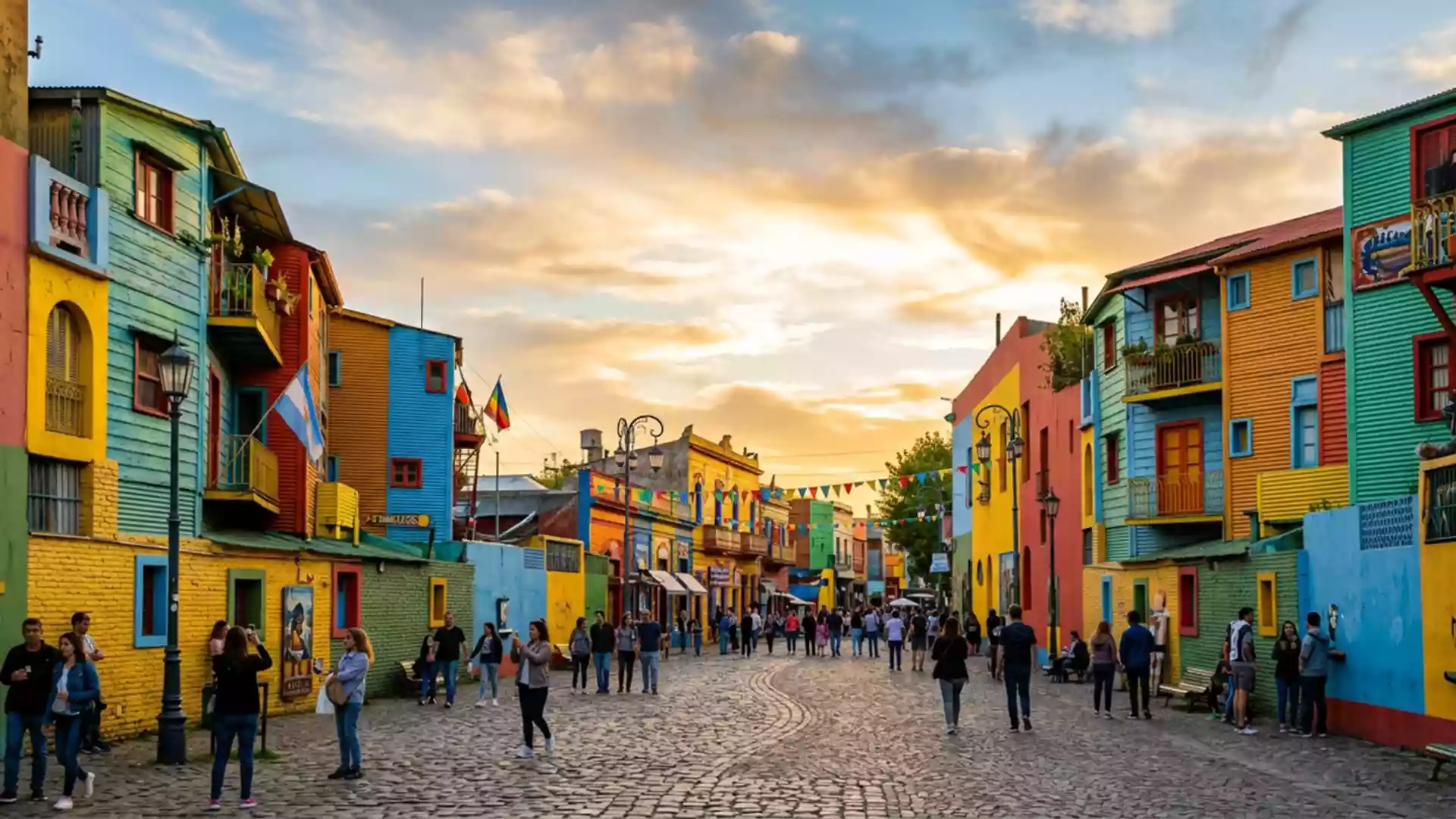
Caminito hosted heritage programme on 17 October 2026
Published on 10/21/2026 at 11:33 | Editorial responsibility: Rafael Müller, Editor-in-Chief AD HOC NEWSArt and history in La Boca
- The Museo Benito Quinquela Martín organised the 17 October 2026 programme in Buenos Aires.
- Terraza de Curiosidades connected the museum collection with sculptures and monuments at Caminito.
- The street museum was developed as a pedestrian art space in 1959.
- Av. Pedro de Mendoza 1835 was the listed venue for the programme.
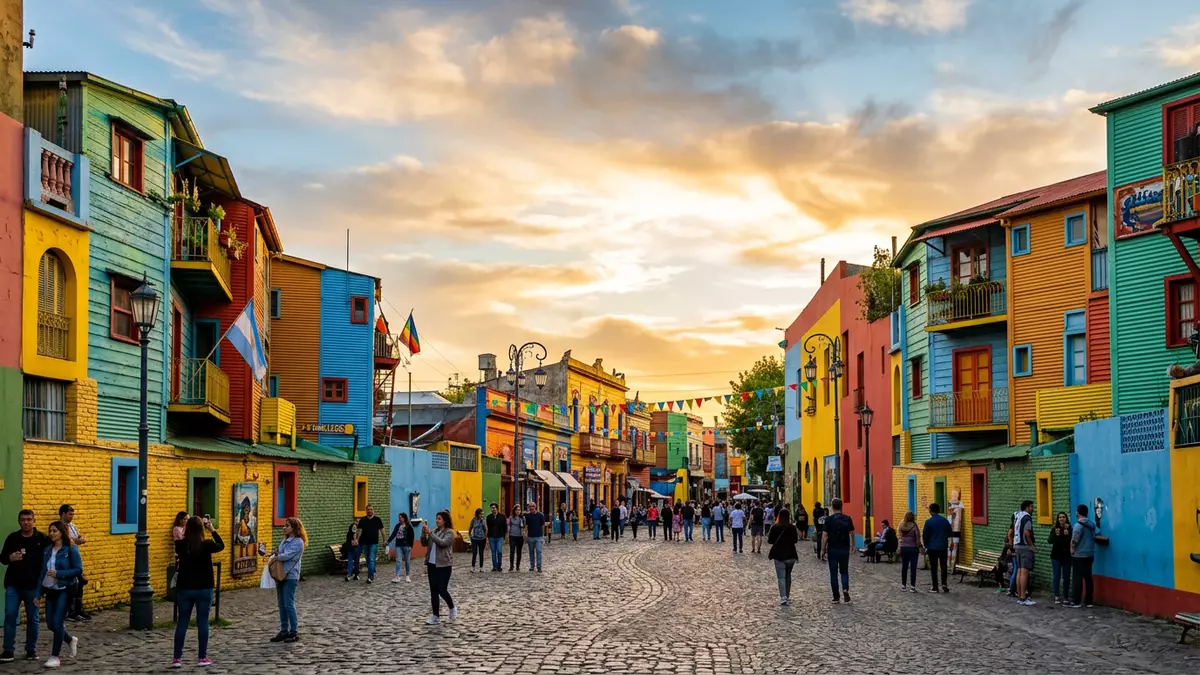
Caminito hosted the Entre oficios, tangos y colores heritage programme in Buenos Aires on 17 October 2026. The event linked the street museum with the Museo Benito Quinquela Martín in La Boca through family activities, a collection visit and a history talk.
The programme concerned the 67th anniversary of the official inauguration of Caminito. Its place in the calendar gave visitors a recent view of how the city presents the open-air museum and the port district around it.
Heritage programme connected Caminito with La Boca museum
The Museo Benito Quinquela Martín organised the Día del Color Boquense programme at its site on Av. Pedro de Mendoza 1835. The city’s official cultural listing placed the activities on Saturday 17 October 2026 and named the museum as the venue.
The afternoon began with Amuletos del puerto, a family workshop based on figureheads and maritime heritage. Terraza de Curiosidades followed with a visit about links between works in the museum collection and the sculptures and monuments at Caminito. The programme ended with Caminito: Historia, Arte y Color, a talk by Walter Caporicci Miraglia of the museum archive. The city’s 17 October programme listing gives the date, venue and sequence of activities.
1959 history shaped the street museum’s programme
The official tourism service describes Caminito as an open-air museum of nearly 150 metres (492 ft), lined with colourful corrugated-metal conventillos and cobbles. The route follows a former railway corridor in La Boca, an area shaped by Italian immigration and port activity.
Neighbours and artists recovered the site as a pedestrian passage in 1959, with painter Benito Quinquela Martín among its main supporters. The city later linked the street’s name to the tango composed by Juan de Dios Filiberto and Gabino Coria Peñaloza. That history explains the programme’s combination of tango, art, maritime references and archival interpretation rather than treating the street as a backdrop alone. The official street museum history records the 1959 development and the site’s dimensions.
Visiting Caminito: what travellers from Western Europe should know
- The Entre oficios, tangos y colores programme took place on 17 October 2026 at the Museo Benito Quinquela Martín, Av. Pedro de Mendoza 1835, La Boca. Its listed activities have now passed.
- The event was a special heritage programme connected to Caminito; travellers visiting after 17 October 2026 should not expect those three scheduled activities to be running.
- The street museum is in La Boca, Buenos Aires, and the listed museum venue is on Av. Pedro de Mendoza 1835.
- Caminito is a pedestrian passage with cobbles, colourful conventillos and outdoor sculptures; the route is nearly 150 metres long.
- Argentina’s official language is Spanish and its national currency is the Argentine peso.
- Entry requirements depend on your nationality; UK travellers can check the FCDO travel advice at gov.uk/foreign-travel-advice, Irish travellers the Department of Foreign Affairs at ireland.ie.
Searching for Caminito on social platforms
These links open searches for Caminito on each platform.
Frequently asked questions about Caminito
When did the heritage programme take place at Caminito?
Entre oficios, tangos y colores took place on 17 October 2026 at the Museo Benito Quinquela Martín in La Boca.
What is Caminito?
Caminito is a nearly 150-metre open-air street museum in La Boca, Buenos Aires, with colourful conventillos, cobbles and outdoor artworks.
Where is Caminito and how do you get there?
Caminito is in the La Boca district of Buenos Aires. The programme venue was the Museo Benito Quinquela Martín at Av. Pedro de Mendoza 1835.