Candi Borobudur’s stone mandala above the Kedu Valley
Published on 08/28/2026 at 16:56 | Editorial responsibility: Rafael Müller, Editor-in-Chief AD HOC NEWS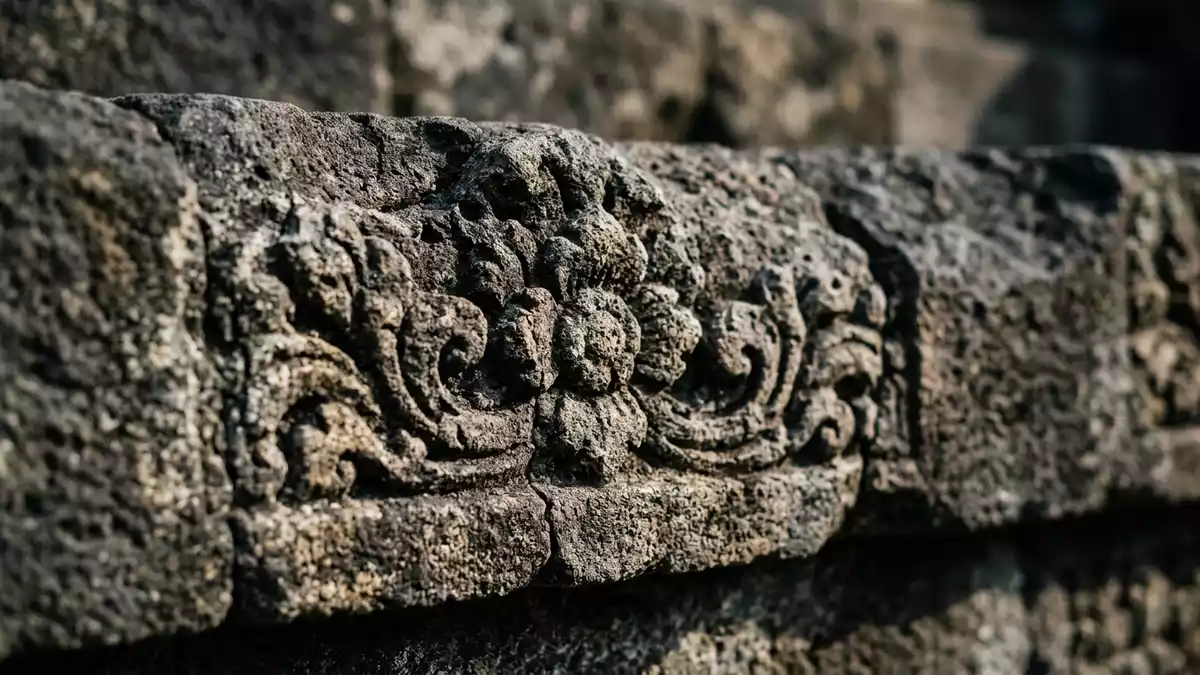
Candi Borobudur in Magelang, Central Java, is a vast Buddhist monument where architecture and landscape merge into a single stone mandala above the Kedu Valley. Built in the 8th and 9th centuries under the Sailendra dynasty, it turns Buddhist cosmology into a three-dimensional journey that visitors trace step by step.Borobudur Temple Compounds
A mountain of stone shaped as a mandala
Candi Borobudur stands in the fertile Kedu Valley of Central Java, rising above fields and villages as a dark mass of andesite stone cut into terraces.Borobudur rises from the fertile Kedu Plain From a distance it resembles a stepped mountain; close up, it is a carefully organised monument whose plan echoes Buddhist cosmology. The temple was constructed in the 8th and 9th centuries AD during the Sailendra dynasty, when Mahayana Buddhism flourished in Central Java.built in the 8th and 9th centuries AD during the reign of the Syailendra Dynasty
The overall form is a broad square with projecting corners, built as a stepped pyramid that visitors ascend in stages.a solid stepped pyramid Six lower terraces form a series of square platforms, while three upper terraces take a circular form and carry many smaller stupas surrounding a single large stupa at the summit.six square lower levels and three round upper levels with a central stupa The monument is often described as a three-dimensional mandala: a diagram of the Buddhist universe expressed through levels of stone.
Reliefs, Buddhas and the language of the terraces
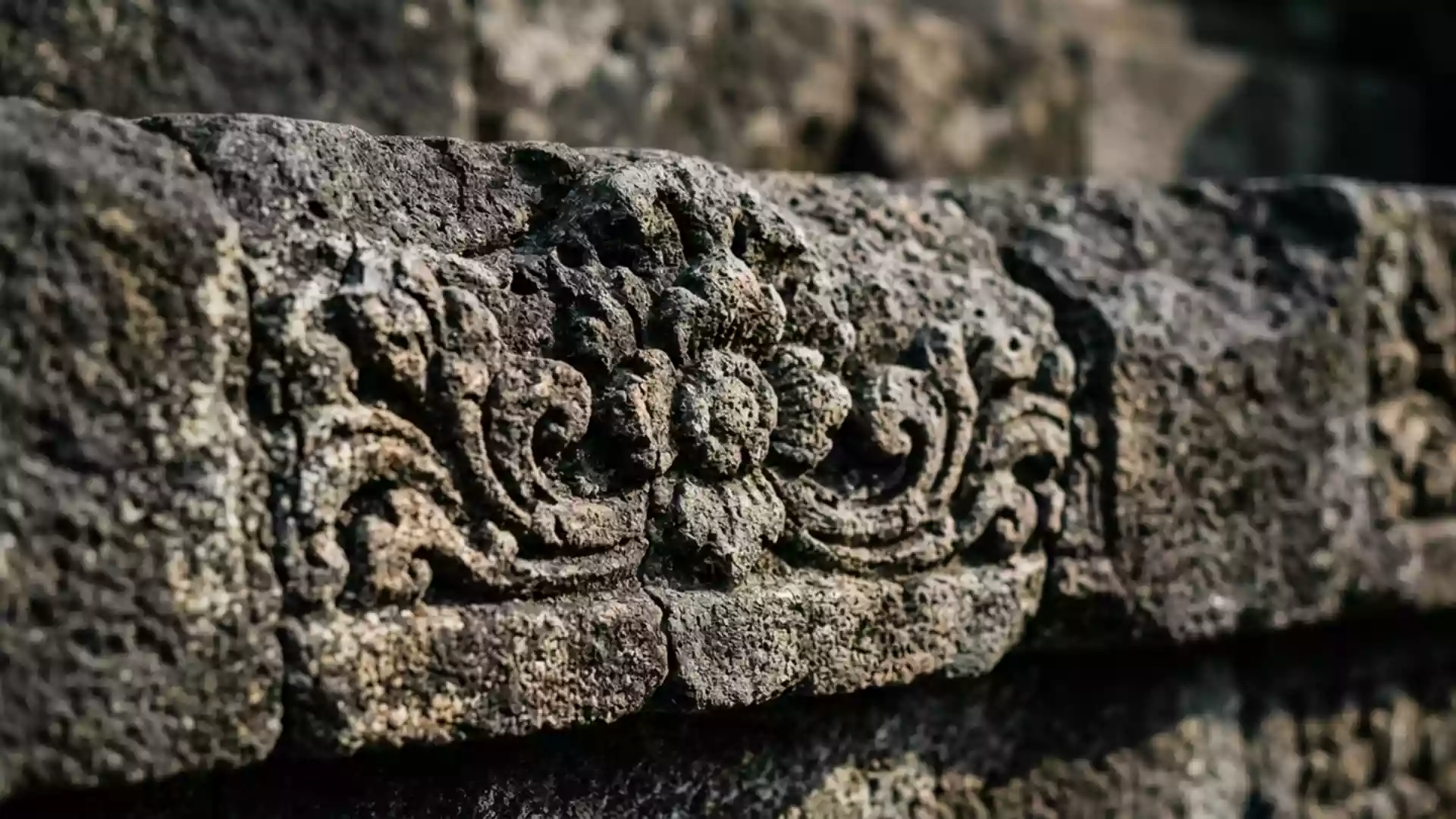
Candi Borobudur is renowned for its narrative reliefs and Buddhas carved into the andesite blocks that form its terraces.relief panels and statues of the Buddha The lower galleries are lined with panels depicting scenes from Buddhist scriptures, daily life in ancient Central Java and episodes from the life of the Buddha. As visitors walk the corridors, these carvings unfold in sequence, turning the act of circling the monument into a kind of stone text. The terraces also carry many statues of the Buddha seated in meditation, some exposed to the air and others enclosed within perforated stupas on the upper platforms.504 statues of the Buddha and 72 stupas
The layout of the monument is often aligned with three realms of Buddhist cosmology.three divisions emblematize the three realms of Buddhist cosmology The base corresponds to Kamadhatu, the realm of desire; the middle terraces to Rupadhatu, the realm of form; and the upper circular platforms and crown stupa to Arupyadhatu, the formless realm. Walking from the foot of Candi Borobudur to its summit, visitors move through these symbolic levels while the reliefs and Buddhas change character around them.
Origins, rediscovery and World Heritage status
Construction of Candi Borobudur is traditionally dated to the late eighth and early ninth centuries, during the peak of Sailendra rule in Central Java.probably founded around 800 C.E. during the Sailendra dynasty The monument’s builders used an enormous quantity of andesite stone, stacking and carving the blocks into terraces without mortar to form the stepped structure.an estimated two million blocks of andesite Over subsequent centuries, power in Java shifted eastwards and the temple was gradually abandoned as volcanic activity and vegetation encroached on the site.abandoned and hidden by ash and growth
In the 19th century Borobudur returned to wider attention after being noted by colonial officials, leading to early clearances and later technical studies of the monument.Borobudur unearthed in the nineteenth century A major restoration took place between 1907 and 1911 under Dutch engineer Theodoor van Erp, who consolidated the upper terraces and improved drainage.restoration between 1907 and 1911 led by Theodoor van Erp A further international campaign between 1975 and 1982, supported by UNESCO and Indonesia, dismantled and rebuilt large parts of the lower structure to stabilise the monument.campaign between 1975 and 1982 led by UNESCO and the Indonesian government In 1991 Borobudur Temple Compounds was inscribed on the UNESCO World Heritage List as one of the greatest Buddhist monuments in the world.inscribed on the World Heritage List in 1991
Visiting Candi Borobudur: what travellers from Western Europe should know
- Candi Borobudur stands in Borobudur district within Magelang Regency in Central Java, Indonesia, in the Kedu Valley north-west of Yogyakarta.Candi Borobudur terletak di Desa Borobudur, Kecamatan Borobudur, Kabupaten Magelang, Propinsi Jawa Tengah
- Reaching the upper terraces involves climbing long flights of stone steps on the monument’s flanks and walking narrow corridors around the galleries.
- The temple sits in a lowland basin surrounded by hills and volcanic peaks, so weather on the site reflects the humid tropical climate of Central Java.
- The official language is Indonesian and the currency is the Indonesian rupiah.
- Entry requirements depend on your nationality; UK travellers can check the FCDO travel advice at gov.uk/foreign-travel-advice, Irish travellers the Department of Foreign Affairs at ireland.ie.
Searching for Candi Borobudur on social platforms
These links open searches for Candi Borobudur on each platform.
Frequently asked questions about Candi Borobudur
Where is Candi Borobudur located?
Candi Borobudur stands in Borobudur district in Magelang Regency, Central Java, within the Kedu Valley on the island of Java in Indonesia.Borobudur, Magelang, Jawa Tengah, Indonesia
What can visitors expect on a visit to Candi Borobudur?
Visitors walk stone terraces lined with narrative reliefs and Buddha statues, climbing to upper platforms surrounded by smaller stupas and a large crown stupa at the summit.terraced structure with stupas and Buddhas
What makes Candi Borobudur distinctive among Buddhist sites?
Candi Borobudur is distinguished by its stepped mandala form, extensive reliefs and Buddhas, and its status as a UNESCO World Heritage-listed monument in Central Java.one of the greatest Buddhist monuments in the world