Chott El-Jarid study estimates lithium on 24 October
Published on 10/24/2026 at 18:08 | Editorial responsibility: Rafael Müller, Editor-in-Chief AD HOC NEWSLithium estimate and salt basin
- Researchers reported on 24 October 2026 that Chott El-Jarid may contain 142,500 tonnes of lithium.
- The estimate concerns a possible resource in brine, not a confirmed mineable reserve or operating project.
- Britannica describes the Tunisian basin as a saline lake covering about 1,900 square miles.
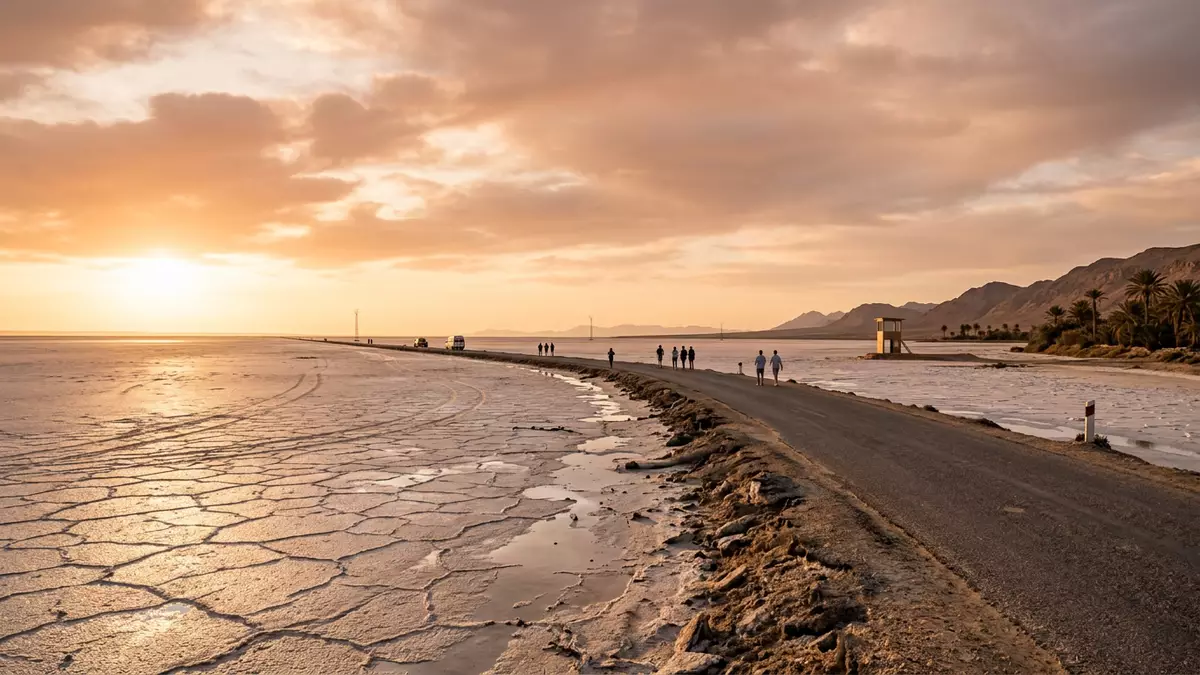
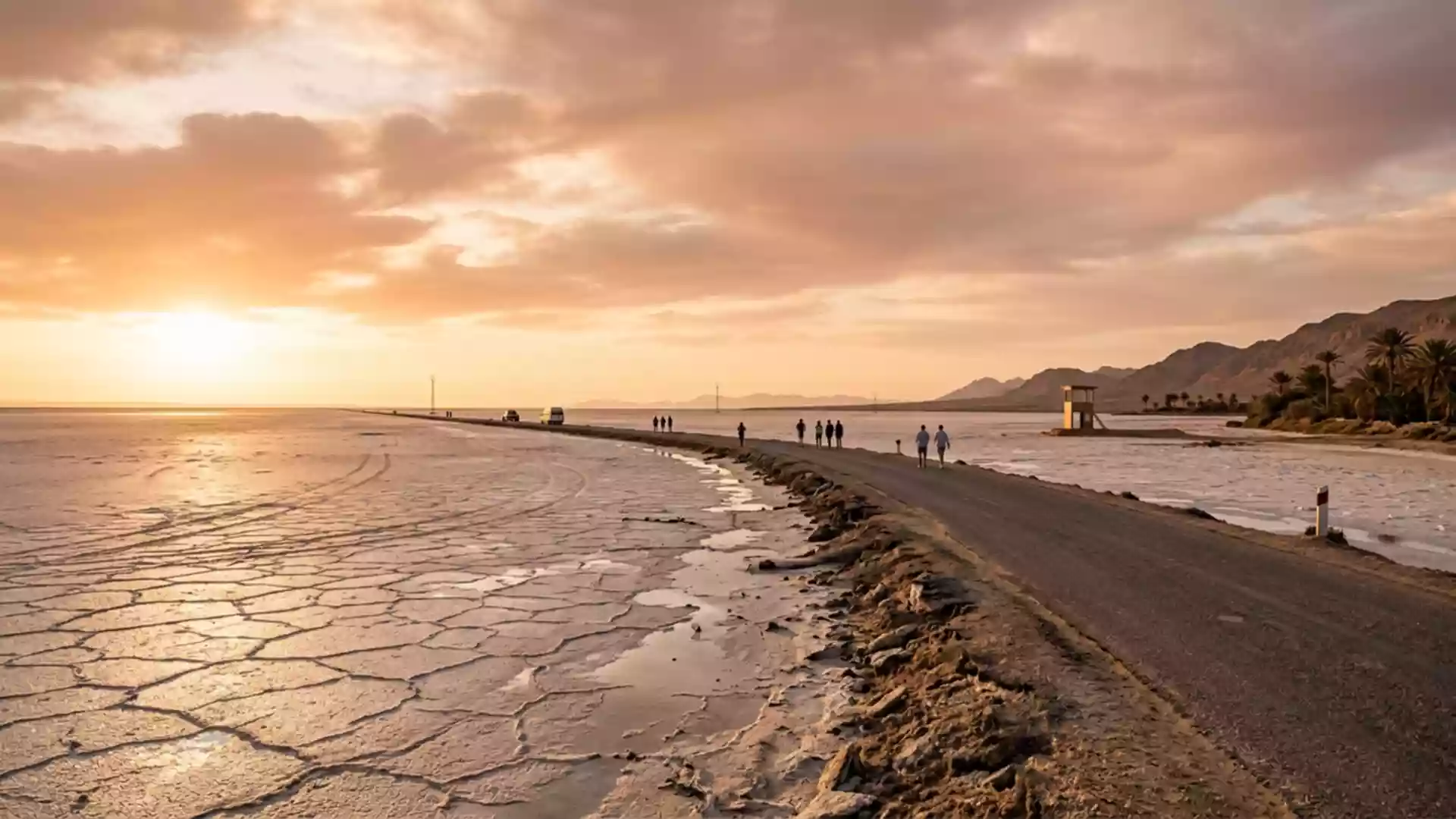
A study of Chott El-Jarid (Chott el-Jerid) in Tunisia has produced a new lithium estimate for the saline basin on 24 October 2026. The finding gives travellers visiting the Tozeur region a fresh scientific reason to look beyond the salt flats' changing colours and dry surface.
Researchers report lithium estimate for Chott El-Jarid
The report published by Al Jazeera describes work by researchers from the Higher Institute of Water Sciences and Techniques at the University of Gabes. Their study estimates that the basin's brine contains about 142,500 tonnes of lithium, a figure linked to an estimated five billion cubic metres of saline solution and an average corrected concentration of roughly 28.5 parts per million.
The report presents the result as a potential resource rather than a confirmed reserve. The researchers say the calculation depends on assumptions about the volume and depth of the brine, while the concentration varies across the basin. A higher concentration was identified in the north-western sector, but the report says that this alone cannot establish whether extraction would be economically viable. The 24 October lithium report says further research is under way.
What the lithium finding means for the salt basin
The study examined lithium dissolved in highly saline water alongside other components, including sodium chloride, potassium, magnesium and sulphates. The reported analytical work used inductively coupled plasma optical emission spectrometry, a laboratory method that measures elements through light emitted by an extremely hot plasma.
That technical detail connects the new research directly to the landscape visitors see. The basin is not being presented as an open mine or a new attraction, and there is no confirmed industrial extraction project. Instead, the 24 October finding adds a research question to a place already valued for its geological and hydrological character. The researchers say possible recovery would face low lithium concentrations, separation challenges and questions about water use and environmental effects.
Chott El-Jarid is a seasonal saline depression
Britannica describes the site as a large saline lake in south-western Tunisia, occupying a salt-flat basin of about 1,900 square miles (4,900 square kilometres). Water covers only the lowest areas except after heavy rain, leaving a salt crust across much of the basin. Its background profile is set out in the Britannica geography entry.
The UNESCO Tentative List places the site between the Cherb mountain range and the desert, with Tozeur to the north-west and Kebili to the south-east. It describes a depression of clay sediments covered by salt and gypsum crusts. Those features help explain why a scientific estimate based on brine can matter without changing what visitors encounter on the surface. The UNESCO site description records its geological and hydrological importance.
Visiting Chott El-Jarid: what travellers from Western Europe should know
- The relevant news peg is the lithium study reported on 24 October 2026; it concerns the saline basin rather than a scheduled visitor event.
- No mine, extraction facility or changed visitor entrance is identified in the report, so the finding does not by itself alter access to the salt flats.
- The basin lies in south-western Tunisia between Tozeur and Kebili, with Tozeur identified as the north-western reference town by UNESCO.
- The terrain is a salt-flat depression with clay sediments and salt and gypsum crusts; surface water varies and may appear after heavy rain.
- Tunisia's official language is Arabic and its national currency is the Tunisian dinar.
- Entry requirements depend on your nationality; UK travellers can check the FCDO travel advice at gov.uk/foreign-travel-advice, Irish travellers the Department of Foreign Affairs at ireland.ie.
Searching for Chott El-Jarid on social platforms
These links open searches for Chott El-Jarid on each platform.
Frequently asked questions about Chott El-Jarid
What was reported at Chott El-Jarid on 24 October 2026?
A study reported an estimate of about 142,500 tonnes of lithium in the basin's brine. The figure is a potential resource estimate, not a confirmed mineable reserve.
Where is Chott El-Jarid and how do you get there?
The saline basin is in south-western Tunisia between Tozeur and Kebili. UNESCO identifies Tozeur as the nearest reference town on the north-western side.
What is Chott El-Jarid?
It is a large seasonal saline depression and salt-flat basin. Britannica gives its area as about 1,900 square miles (4,900 square kilometres).