
Ciudad Encantada, a stone city of karst north of Cuenca
Published on 09/10/2026 at 06:59 | Editorial responsibility: Rafael Müller, Editor-in-Chief AD HOC NEWS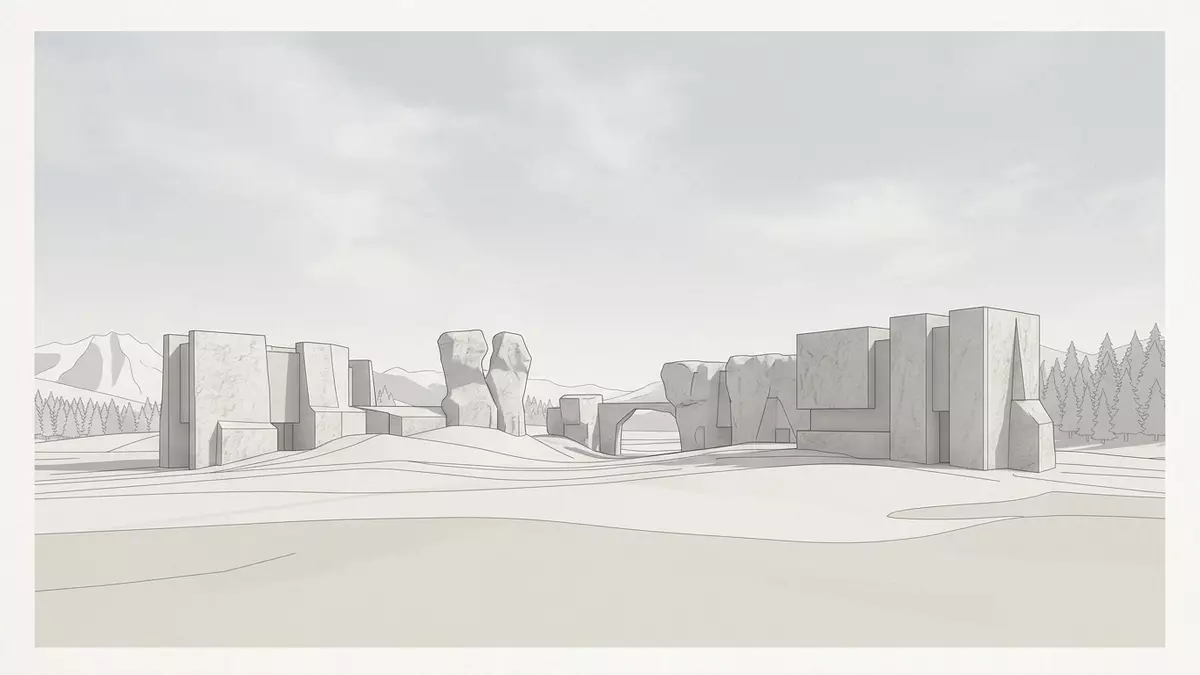
Ciudad Encantada in the hills north of Cuenca in Spain is a karst plateau of limestone and dolomite where erosion has carved rocks into forms that recall a stone-built city laid out on bare stone.
A karst plateau shaped since the Cretaceous
Ciudad Encantada lies near Valdecabras in the province of Cuenca, within the wider Serranía de Cuenca Natural Park in east-central Spain.Near Cuenca, Valdecabras, Serranía de Cuenca Natural Park The plateau is formed by limestone and dolomite beds that geologists date to the Cretaceous period, around 90 million years ago.karst formations made of limestone and dolomite
Over millions of years, rainwater, temperature changes and the waters of the nearby Júcar river have acted on these rocks, widening fractures and dissolving layers to create a relief of pavements, blocks and freestanding masses.erosion has created something that reads like a stone-built city In geological descriptions Ciudad Encantada appears as a textbook example of bare karst, with limestone pavements and ruiniform forms concentrated in a relatively compact area.textbook example of bare karst
Rock formations that resemble a stone-built city
The name Ciudad Encantada, “Enchanted City”, reflects the way weathering has given the plateau a plan that recalls streets, plazas and built structures. Erosion has developed mushroom-shaped rocks, pedestal forms, elongated plateau remnants and natural bridges from the original beds.mushroom-shaped rocks and elongate plateau remnants Between them lie corridors, narrow passageways and wider clearings, so that moving through the site feels like walking through a city of stone blocks and towers.
The surfaces of the rocks show classic karst features such as karren, small channels and runnels cut into the limestone, and broader pavements broken into slabs by jointing.karren and limestone pavements Around the bare rock the wider landscape carries pine forests and other vegetation of the Serranía de Cuenca, framing the pale limestone masses against stands of trees and giving the plateau a marked contrast between exposed stone and wooded surroundings.zona de pinares de la serranía conquense
A protected nature site within Serranía de Cuenca
Ciudad Encantada is recognised under Spanish conservation law as a protected natural site and forms part of the Serranía de Cuenca Natural Park.conjunto de formaciones rocosas calizas dentro del Parque Natural de la Serranía de Cuenca It was declared a “Sitio Natural de Interés Nacional”, a nature site of national interest, in 1929, reflecting its geological and scenic importance within Spain.Lloc Natural d'Interès Nacional, l'11 de juny de 1929
Within the protected perimeter marked around the plateau, paths lead visitors through the rock formations, linking open areas, viewpoints and more confined sections between walls of limestone.paths lead into the maze of rocks The official access for Ciudad Encantada lies on the CM-2104 road at kilometre 19 near Valdecabras, where the approach route meets the plateau and the marked paths begin.Carretera CM2104 Km 19 Valdecabras
Visiting Ciudad Encantada: what travellers from Western Europe should know
- Ciudad Encantada lies north of Cuenca in Castilla-La Mancha; road CM-2104 runs towards Valdecabras and the official access is signed from kilometre 19.
- The plateau itself is rocky karst terrain, with uneven limestone pavements, natural steps and narrow passages between rock masses, so walking requires sure footing.
- The wider setting forms part of the Serranía de Cuenca Natural Park, with pine forest and other vegetation surrounding the bare limestone area.
- The official language is Spanish and the currency is the euro.
Searching for Ciudad Encantada on social platforms
These links open searches for Ciudad Encantada on each platform.
Frequently asked questions about Ciudad Encantada
Where is Ciudad Encantada?
Ciudad Encantada is a karst plateau near Valdecabras, north of the city of Cuenca in Castilla-La Mancha, within the Serranía de Cuenca Natural Park in Spain.
What should visitors expect on a visit?
Visitors move along marked paths through bare limestone and dolomite formations, between corridors, clearings and viewpoints set within a rocky plateau framed by forest.
What makes Ciudad Encantada distinctive?
The combination of Cretaceous karst geology, ruiniform rock shapes and a layout that recalls a stone-built city gives Ciudad Encantada a distinctive character among Spanish limestone landscapes.


