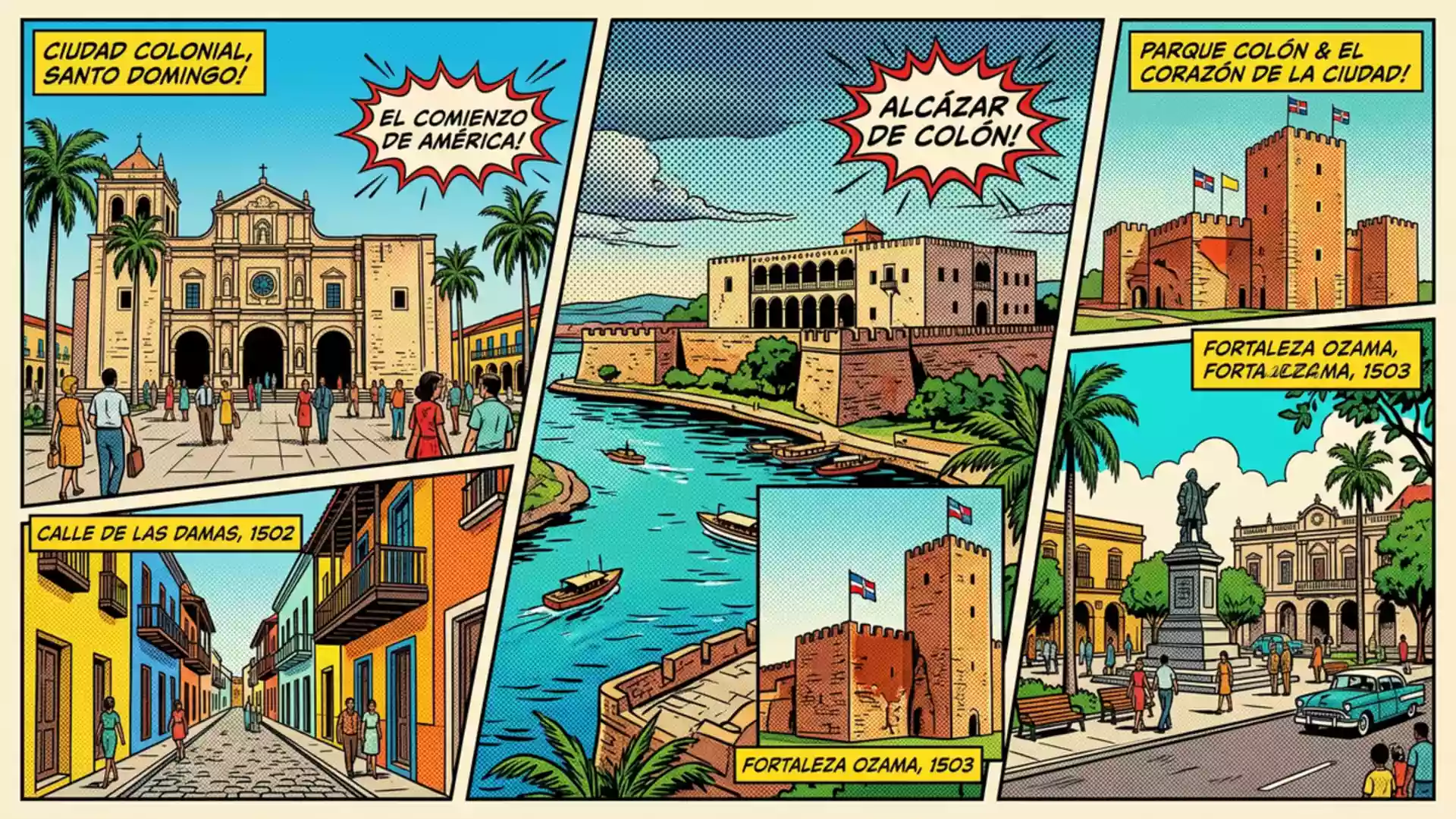
Colonial City of Santo Domingo tests climate toolkit from 5 October
Published on 10/24/2026 at 12:41 | Editorial responsibility: Rafael Müller, Editor-in-Chief AD HOC NEWSClimate planning in the historic centre
- UNESCO, ICCROM, ICOMOS and IUCN tested the toolkit from 5 to 9 October 2026.
- The wider pilot process in Santo Domingo runs until 15 November 2026.
- The Colonial City entered the UNESCO World Heritage List in 1990.
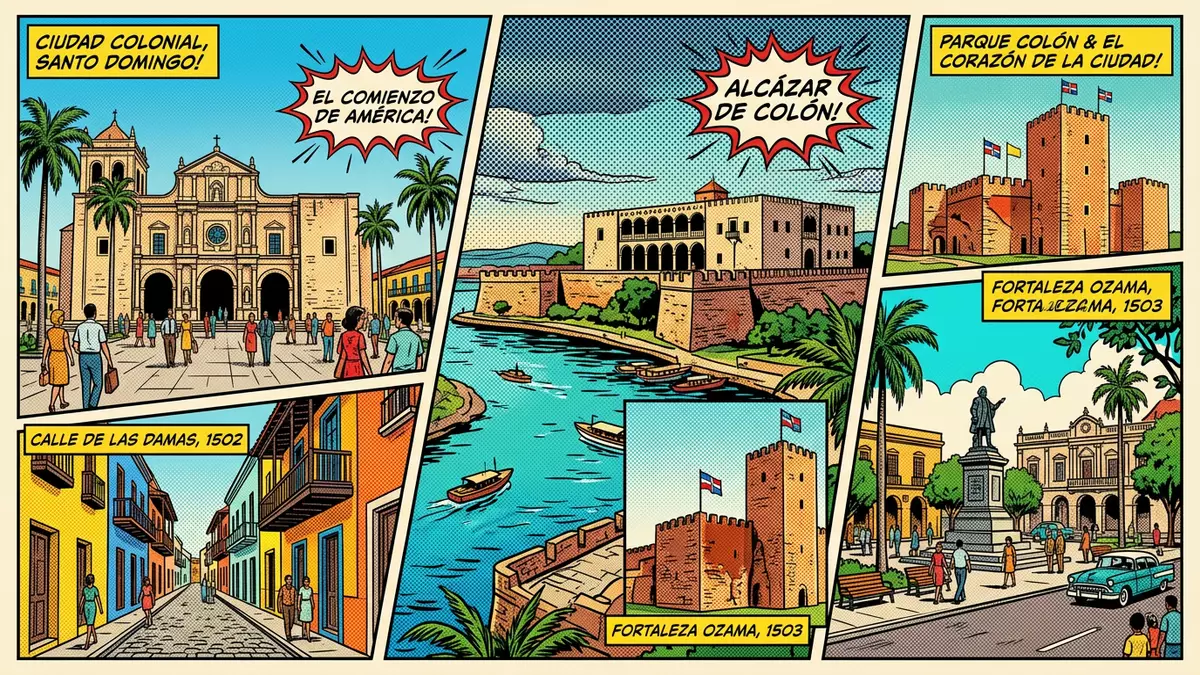
The Colonial City of Santo Domingo (Ciudad Colonial de Santo Domingo) is being used for a UNESCO Climate Action Toolkit pilot, with a wider process running from 17 September to 15 November 2026. The announcement gives visitors to Santo Domingo a current reason to view the Dominican Republic landmark as a living heritage site under active climate planning.
Climate Action Toolkit tests planning in Santo Domingo
The in-person workshop took place from 5 to 9 October 2026, while the wider pilot continues until 15 November 2026. UNESCO, ICCROM, ICOMOS and IUCN are developing the Climate Action Toolkit to help World Heritage managers assess climate risks and include adaptation and mitigation in management strategies.
The five-day workshop used ten practical exercises involving institutions working in heritage conservation, urban planning and climate action. Participants examined the historic centre's urban and social context, with fieldwork and technical sessions focused on hurricanes, heavy rainfall, flooding and other hazards affecting the Dominican Republic.
The exercise is not a festival or a special visitor opening. It is a management project, so travellers should expect to see the ordinary historic centre rather than a public exhibition connected to the workshop. Its reader value lies in the fact that the place remains an active setting for decisions about the conservation of buildings, streets and public spaces.
UNESCO's pilot report says the participating institutions expect to move towards a Climate Action Plan. The process combines online sessions, practical work and opportunities for feedback, and its findings are intended to refine the toolkit before wider use.
World Heritage status gives the pilot its setting
The historic centre has been on the UNESCO World Heritage List since 1990. The toolkit therefore connects climate information with the attributes that support the site's Outstanding Universal Value, rather than treating weather risks as a separate tourism issue.
That connection matters in a living urban district where heritage protection, planning and risk management overlap. The workshop considered climate projections, vulnerability assessments and possible adaptation measures, while bringing together scientific information and the experience of institutions responsible for the area.
The pilot also follows recent infrastructure work in the district. On 19 October 2026, the Dominican Ministry of Tourism handed over renovated sections of Colón and Hostos streets, including new paving, drainage work, signs and street furniture. The government account of the street works links the improvements to pedestrian and vehicle mobility and heritage recovery. Together, the two developments show how conservation planning and everyday urban infrastructure meet in the same historic centre.
Visiting Colonial City of Santo Domingo: what travellers from Western Europe should know
- The UNESCO Climate Action Toolkit pilot includes a workshop held from 5 to 9 October 2026 and a wider process continuing until 15 November 2026.
- The pilot does not announce a special public opening or a changed visitor entrance; it concerns heritage management, planning and climate-risk assessment.
- The site is in Santo Domingo, the capital of the Dominican Republic, and the project concerns the historic centre rather than a separate venue outside the city.
- English-speaking visitors will find a living urban district whose conservation planning considers hurricanes, heavy rainfall, flooding and sea-level rise.
- Entry requirements depend on your nationality; UK travellers can check the FCDO travel advice at gov.uk/foreign-travel-advice, Irish travellers the Department of Foreign Affairs at ireland.ie.
Searching for Colonial City of Santo Domingo on social platforms
These links open searches for Colonial City of Santo Domingo on each platform.
Frequently asked questions about Colonial City of Santo Domingo
When does the Climate Action Toolkit pilot take place at Colonial City of Santo Domingo?
The workshop took place from 5 to 9 October 2026, within a wider process running until 15 November 2026.
What is Colonial City of Santo Domingo?
It is Santo Domingo's historic centre and a UNESCO World Heritage site since 1990.
Where is Colonial City of Santo Domingo and how do you get there?
It is in Santo Domingo, the capital of the Dominican Republic, within the city's historic centre.