
Haeinsa and the wooden scriptures of Gayasan
Published on 08/18/2026 at 14:05 | Editorial responsibility: Rafael Müller, Editor-in-Chief AD HOC NEWS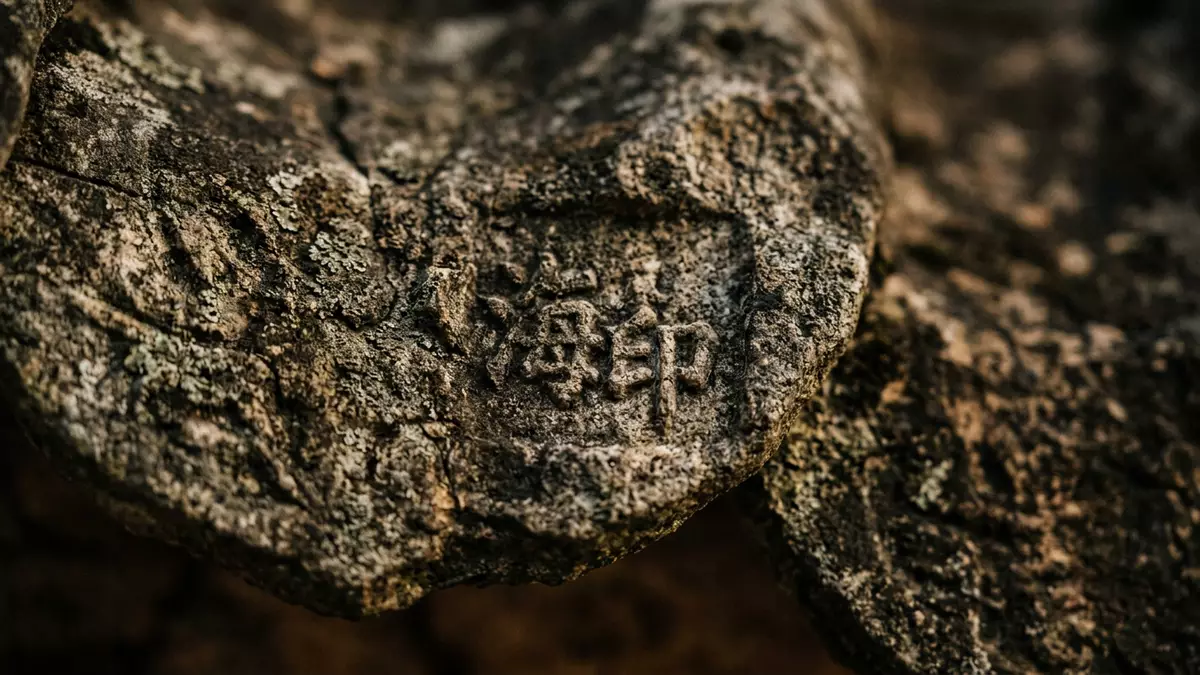
Haeinsa in Hapcheon is a major Buddhist temple complex in the mountains of south-eastern South Korea, best known for housing the carved wooden canon known as the Tripitaka Koreana. Set within Gayasan National Park in South Gyeongsang Province, the temple brings together monastic buildings, forested slopes and extraordinary library halls dedicated to a single collection of scripture.
Temple in a mountain national park
Haeinsa stands on the slopes of Gayasan, a granite mountain massif that forms the core of Gayasan National Park in South Gyeongsang Province. The temple lies within the administrative area of Hapcheon in the south-east of the Korean peninsula, and the surrounding park landscape frames the complex with steep wooded hills and rocky ridges.Gayasan National Park provides the wider setting for the temple’s courtyards, stone lanterns and pagodas.
The approach brings visitors up through lower temple structures into a precinct of tiled roofs and painted wooden halls characteristic of Korean Buddhist architecture. Colourful bracket systems support the wide eaves, and the buildings sit on stone platforms that adapt to the sloping terrain. Bells, drum pavilions and smaller shrines punctuate the complex, so that the walk through Haeinsa unfolds as a sequence of open spaces and enclosed interiors rather than a single central hall.
Tripitaka Koreana and the Janggyeong Panjeon halls
The defining feature of Haeinsa is its role as the home of the Tripitaka Koreana, a complete set of Buddhist scriptures carved in Classical Chinese characters onto more than 80,000 wooden printing blocks during the thirteenth century. The blocks form Korea’s most important woodblock edition of the Buddhist canon, and the collection has been designated both a National Treasure of South Korea and part of UNESCO’s Memory of the World register.Tripitaka Koreana woodblocks remain stored at Haeinsa rather than in a separate archive.
To house this collection, Haeinsa contains a group of dedicated library buildings known collectively as the Janggyeong Panjeon. These timber halls were constructed in the fifteenth century as single-purpose depositories for the woodblocks and are recognised as South Korea’s National Treasure No. 52.Haeinsa Temple Janggyeong Panjeon Together with the Tripitaka Koreana itself, they were inscribed on the UNESCO World Heritage List in 1995 as “Haeinsa Temple Janggyeong Panjeon, the Depositories for the Tripitaka Koreana Woodblocks”. The halls stand slightly above the main temple courtyard on a terrace, their restrained exterior architecture contrasting with the weight of the texts inside.
Haeinsa in Korean Buddhist history
Haeinsa traces its roots back to the early ninth century, when it was founded during the Unified Silla period, a time when Buddhism held official status and major monasteries were established across the peninsula.Haeinsa history Over the centuries the temple became associated with the Jogye Order, the principal school of Korean Seon (Zen) Buddhism. Monastic practice at Haeinsa evolved within this lineage, and the temple’s secluded mountain setting reflects the importance of meditation and retreat in that tradition.
The Tripitaka Koreana woodblocks arrived at Haeinsa in the late fourteenth century, during the Goryeo dynasty, and the temple has served as their guardian since 1398.Haeinsa has housed the Tripitaka Koreana since 1398 This custodial role has shaped the temple’s identity within Korean Buddhism: Haeinsa is both an active monastery and a vast library of carved scripture. The survival of the woodblocks through dynastic change and conflict gives the site an additional historical depth that reaches beyond its individual buildings.
Visiting Haeinsa: what travellers from Western Europe should know
- Haeinsa lies within Gayasan National Park in Hapcheon, in South Gyeongsang Province of South Korea. Long-distance buses and regional transport routes connect Hapcheon with larger cities such as Daegu and Busan.
- The temple complex is built on a slope, and moving between its courtyards involves stone steps and inclined paths. Footwear suited to uneven surfaces is therefore practical.
- The Janggyeong Panjeon library buildings stand on a higher terrace above the main temple courtyard. Reaching them involves an additional climb on stepped walkways.
- Haeinsa stands in a mountainous area where winters can be cold and summers humid. Clothing choices need to account for seasonal temperatures in this part of South Korea’s interior.
- The official language is Korean and the currency is the South Korean won. Entry requirements depend on your nationality; UK travellers can check the FCDO travel advice at gov.uk/foreign-travel-advice, Irish travellers the Department of Foreign Affairs at ireland.ie.
Searching for Haeinsa on social platforms
These links open searches for Haeinsa on each platform.
Frequently asked questions about Haeinsa
Where is Haeinsa?
Haeinsa is a Buddhist temple complex on the slopes of Gayasan in Gayasan National Park, within Hapcheon in South Gyeongsang Province in South Korea.
What can visitors expect at Haeinsa?
Visitors encounter a large mountain monastery with multiple courtyards, painted wooden halls, stone pagodas and the elevated Janggyeong Panjeon library buildings containing the Tripitaka Koreana woodblocks.
What makes Haeinsa distinctive among Korean temples?
Haeinsa’s defining feature is its custodianship of the Tripitaka Koreana and the fifteenth-century Janggyeong Panjeon depositories, recognised together as a UNESCO World Heritage Site.


