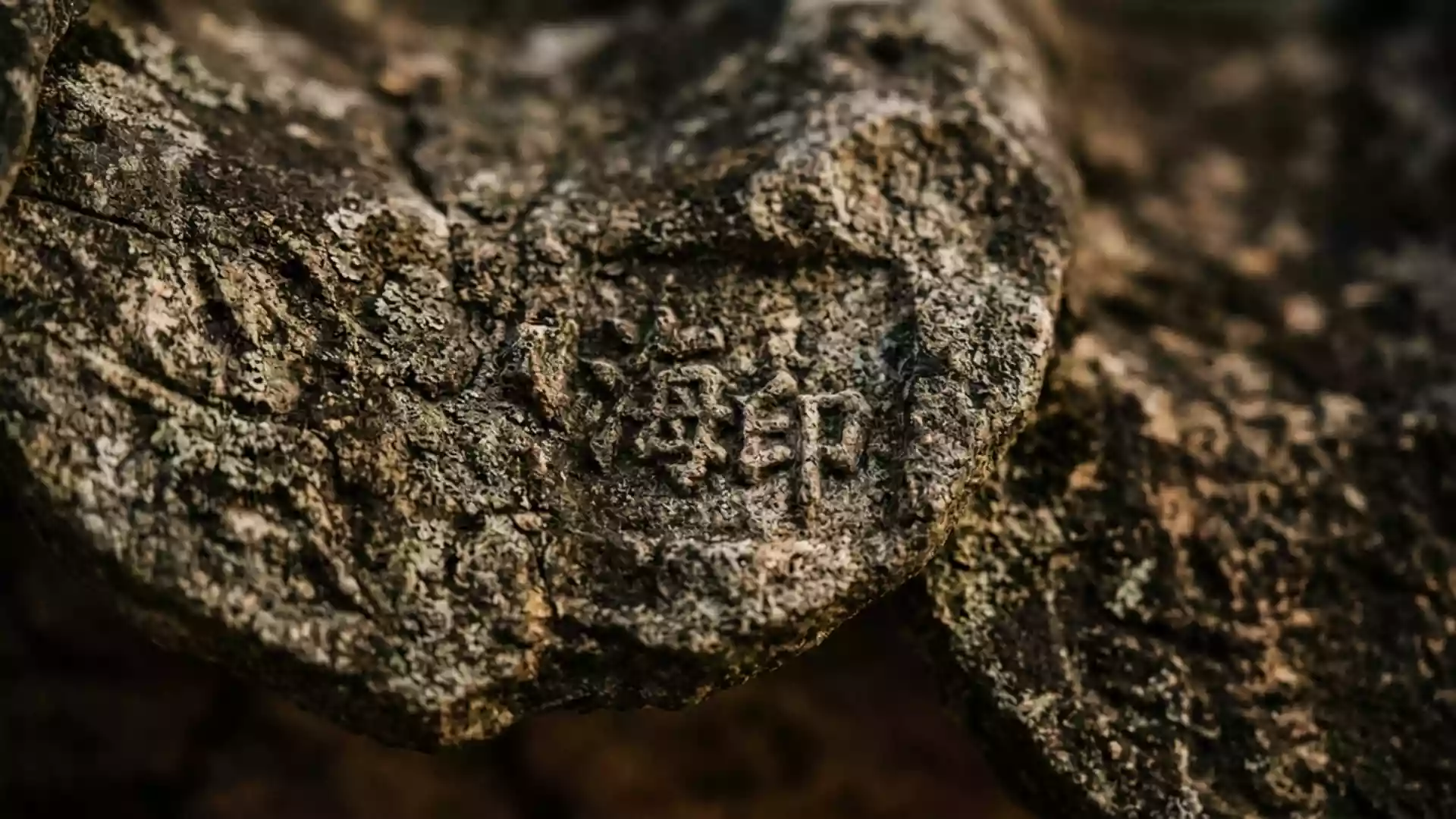
Haeinsa Temple starts Tripitaka recarving on 29 October
Published on 10/31/2026 at 13:28 | Editorial responsibility: Rafael Müller, Editor-in-Chief AD HOC NEWSA long-term craft project
- Haeinsa Temple held the launch ceremony on 29 October 2026 in its pagoda courtyard.
- The new undertaking covers 81,352 woodblocks and is expected to take 50 to 100 years.
- UNESCO inscribed the Janggyeong Panjeon depositories at Haeinsa on the World Heritage List in 1995.
- About 2,000 people attended the ceremony, followed by a demonstration involving 30 carvers, teachers and trainees.
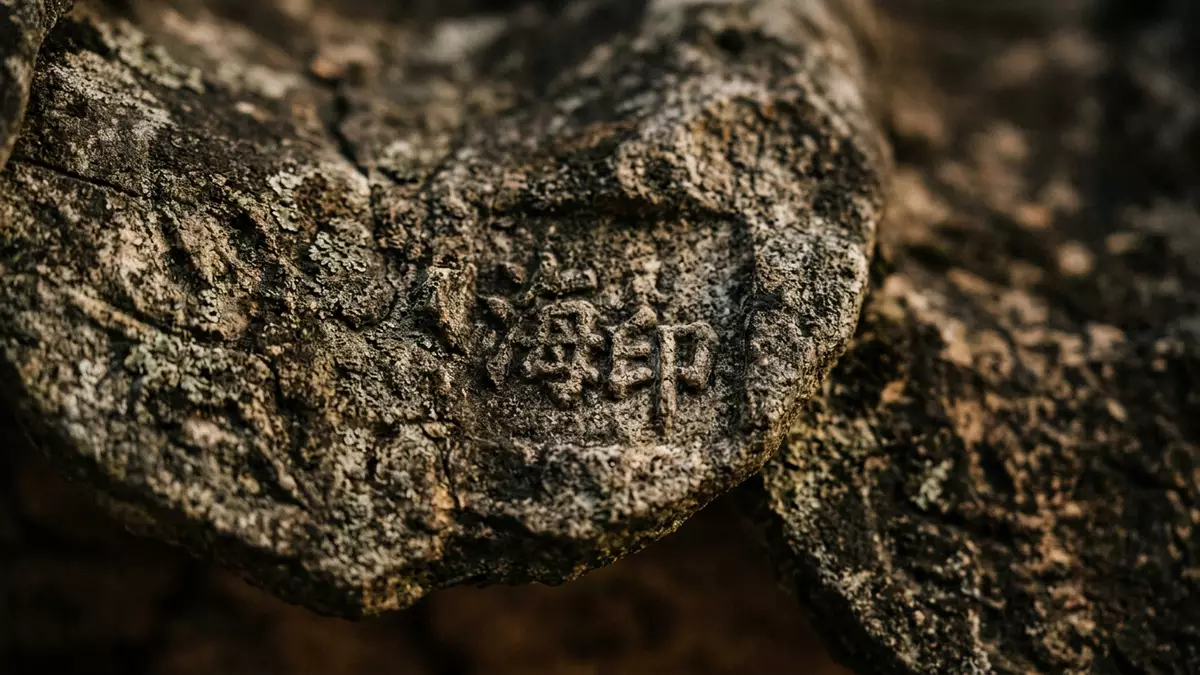
Haeinsa Temple and the Tripitaka recarving project were placed at the centre of a Buddhist ceremony in Hapcheon on 29 October 2026. The undertaking will create a new set of 81,352 woodblocks, extending a tradition associated with the Korean Buddhist canon.
The ceremony marked the start of a long-term cultural project at the temple in South Korea. It gives visitors a current reason to understand the site not only as a historic repository, but also as a working centre for traditional woodblock carving.
Tripitaka recarving begins at Haeinsa Temple
The temple held the ceremony in the courtyard of the pagoda on 29 October. It launched an undertaking expected to last between 50 and 100 years and intended to produce an additional complete set of the Tripitaka Koreana rather than replace the existing blocks.
About 2,000 people attended, including Buddhist leaders, heritage officials, local representatives, carving specialists, trainees and devotees. After the main ceremony, 30 monks, instructors and students demonstrated traditional carving methods, giving the launch a practical element as well as its religious purpose.
The project is being organised by the temple through the Jangyeong Dogam, a dedicated body established in 2023. Around 15 carvers are currently working on the new blocks while training successors, and about 670 monks and laypeople have learned traditional techniques at the associated carving school.
The scale of the undertaking links the current ceremony with the material heritage kept at the site. It is a new production project, but its subject is the same Buddhist canon that made the temple a major destination for heritage travellers.
Haeinsa Temple and its UNESCO depositories
The temple stands on the slopes of Mount Gayasan in Hapcheon County, South Gyeongsang Province. Its Janggyeong Panjeon depositories contain the Tripitaka Koreana, a collection of Buddhist texts engraved on approximately 80,000 woodblocks between 1237 and 1248.
The depositories date from the fifteenth century and consist of two long buildings and two smaller buildings arranged around a courtyard. Their ventilation and temperature and humidity controls were designed to protect the wooden blocks, a conservation challenge that connects the old buildings with the new carving project.
UNESCO inscribed the Haeinsa Temple Janggyeong Panjeon depositories on the World Heritage List in 1995. The Tripitaka woodblocks are also recognised for their accuracy, craftsmanship and importance in the history of Buddhist texts.
The new work therefore sits beside a protected collection rather than altering it. For travellers, that distinction matters: the 29 October ceremony has passed, while the long-term carving undertaking continues beyond the current visit window.
Visiting Haeinsa Temple: what travellers from Western Europe should know
- The launch ceremony took place on 29 October 2026 in the pagoda courtyard at Haeinsa Temple in Hapcheon.
- The ceremony is past, while the new carving project continues; reports describe the launch and demonstration but do not announce a change to ordinary visitor access.
- The temple is on Mount Gayasan in Hapcheon County, South Gyeongsang Province, where the UNESCO-listed Janggyeong Panjeon depositories preserve the Tripitaka Koreana.
- South Korea's official language is Korean and its national currency is the won.
- Entry requirements depend on your nationality; UK travellers can check the FCDO travel advice at gov.uk/foreign-travel-advice, Irish travellers the Department of Foreign Affairs at ireland.ie.
The project and the ceremony are documented in the launch report, while UNESCO describes the protected depositories.
Searching for Haeinsa Temple on social platforms
These links open searches for Haeinsa Temple on each platform.
Frequently asked questions about Haeinsa Temple
When did the Tripitaka recarving begin at Haeinsa Temple?
The launch ceremony took place on 29 October 2026 in the temple's pagoda courtyard. The undertaking is expected to continue for 50 to 100 years.
What is Haeinsa Temple?
It is a Buddhist temple on Mount Gayasan in Hapcheon County and the location of the UNESCO-listed Janggyeong Panjeon depositories.
Where is Haeinsa Temple and how do you get there?
Haeinsa Temple is in Hapcheon County, South Gyeongsang Province, South Korea, on the slopes of Mount Gayasan.