

Historic Centre of Quito sees roadworks from 20 October 2026
Published on 10/11/2026 at 00:53 | Editorial responsibility: Rafael Müller, Editor-in-Chief AD HOC NEWSKey points in brief
- Road rehabilitation in the Historic Centre of Quito began on 3 October 2026 and will affect Carchi and Imbabura until 19 October 2026.
- Work on Bolívar Street is planned from 20 October 2026 as part of the same access programme.
- Alternative routes include Sebastián de Benalcázar, Rubén Darío and Cuenca, while controlled public transport access remains available near Imbabura.
- Quito’s Historic Centre has been a UNESCO World Heritage site since 1978 and preserves a sixteenth-century urban core.
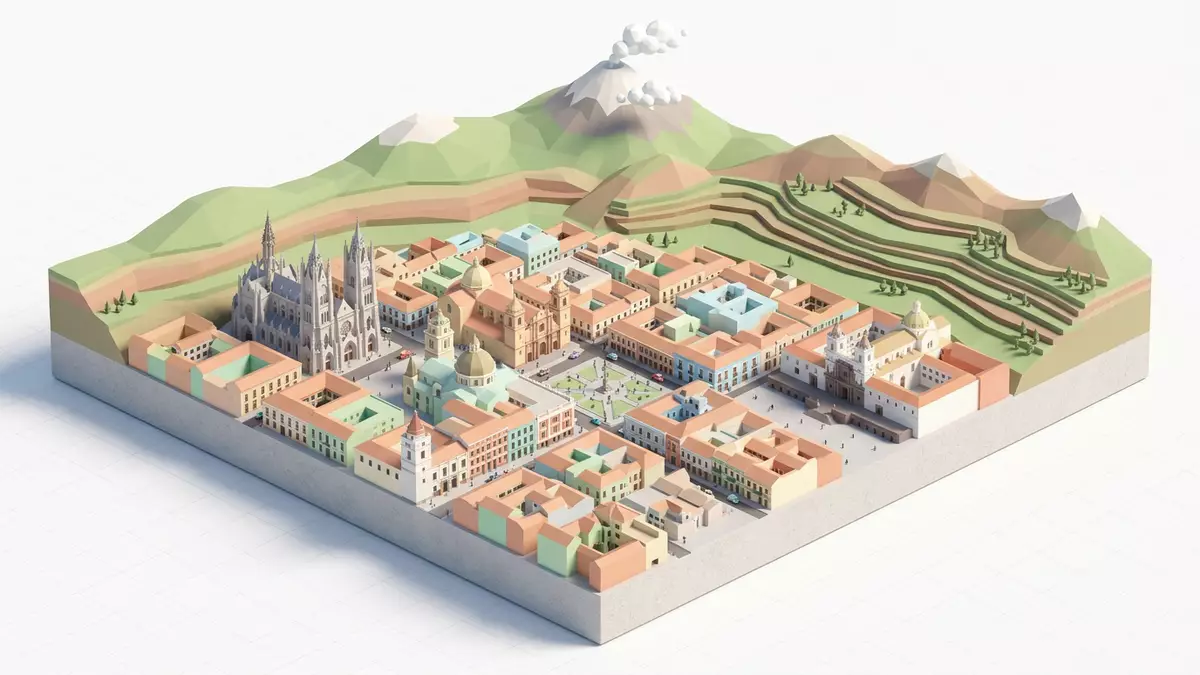
The Historic Centre of Quito (Centro Histórico de Quito) is undergoing phased road rehabilitation, with work on Bolívar Street planned from 20 October 2026. The municipal programme affects access through Quito’s historic core while preserving routes towards the San Francisco Metro station.
Roadworks reach Bolívar Street from 20 October
The fourth phase of the city’s road rehabilitation programme began on 3 October 2026 and is scheduled to run for 36 days. In the Historic Centre, the first works cover Carchi Street between Cuenca and Sebastián de Benalcázar, and Imbabura Street between Rocafuerte and Babahoyo.
The municipality’s public works company says these two sections are scheduled for work from 3 to 19 October 2026. The next stage on Bolívar Street is planned from 20 October 2026. The programme covers 1,659 metres in the historic district and forms part of a wider project connecting roads to Metro stations in central and northern Quito. The municipal roadwork programme lists the dates, streets and planned diversions.
Quito’s historic street plan meets modern access works
The roadworks are taking place within a protected urban landscape founded in the sixteenth century on the ruins of an Inca city. UNESCO describes Quito as one of the most extensive and best-preserved historic centres of Spanish America, with churches, convents, squares and streets that retain the historic plan.
The area was inscribed on the UNESCO World Heritage List in 1978. Its religious architecture includes the complexes of San Francisco and Santo Domingo and the Church and Jesuit College of La Compañía. This combination of heritage streets and active transport links explains why the October works matter to visitors: the affected routes lead towards the same historic core that UNESCO identifies as the city’s principal protected ensemble. Further background appears in the UNESCO description of Quito.
Visiting Historic Centre of Quito: what travellers from Western Europe should know
- The first roadwork phase in the historic district runs from 3 to 19 October 2026, while Bolívar Street is planned for intervention from 20 October 2026.
- Access is being managed by section rather than closed across the whole historic centre. Carchi traffic is directed through Sebastián de Benalcázar, Rubén Darío and Cuenca.
- On Imbabura, public transport is controlled through the Babahoyo intersection towards Mejía. The southbound alternative uses Mariscal Sucre and the San Roque and San Juan tunnels, with San Francisco the relevant Metro station.
- The district is a UNESCO World Heritage site with historic streets, churches, convents and public squares. Visitors should expect active road maintenance around the named streets while the programme continues.
- Entry requirements depend on your nationality; UK travellers can check the FCDO travel advice at gov.uk/foreign-travel-advice, Irish travellers the Department of Foreign Affairs at ireland.ie.
Searching for Historic Centre of Quito on social platforms
These links open searches for Historic Centre of Quito on each platform.
Frequently asked questions about Historic Centre of Quito
When do the roadworks take place at the Historic Centre of Quito?
The first works run from 3 to 19 October 2026. Work on Bolívar Street is planned from 20 October 2026.
What has changed at the Historic Centre of Quito?
Road access is being managed in stages on Carchi, Imbabura and Bolívar streets. Diversions and controlled public transport routes apply around the affected sections.
Where is the Historic Centre of Quito and how do you get there?
It is in central Quito, Ecuador, near the San Francisco Metro station. Alternative road connections include Sebastián de Benalcázar, Rubén Darío, Cuenca and Mariscal Sucre.


