
Ile de Goree, Dakar’s compact Atlantic island of memory
Published on 09/22/2026 at 03:19 | Editorial responsibility: Rafael Müller, Editor-in-Chief AD HOC NEWS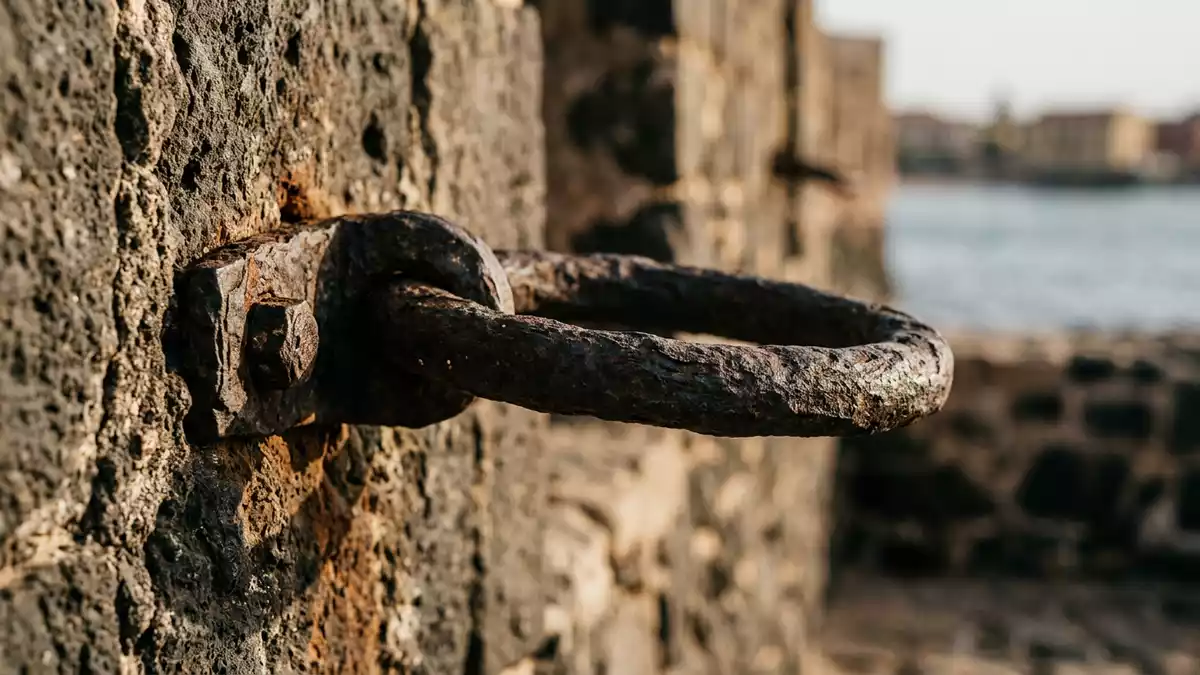
Ile de Goree off Dakar in Senegal is a small Atlantic island where dense streets, stone houses and coastal fortifications concentrate centuries of Atlantic trade and slavery in a confined space. From the fifteenth century, European powers including Portugal, the Netherlands, England and France used this outcrop as a foothold on the West African coast, turning it into a long-lived trading post woven into the routes of the transatlantic slave trade.
An island of volcanic rock facing Dakar
Ile de Goree lies off the Cape Verde Peninsula opposite Dakar, separated from the mainland by a narrow stretch of Atlantic water that once carried sailing ships into and out of its anchorage. The island is of volcanic origin and covers around 18 hectares, with buildings and streets wrapping around a small harbour and rising towards a rocky plateau in the interior.volcanic origin and 18?hectare size Its position at the centre of Dakar’s roadstead made it a sheltered stop for vessels moving along the West African coast and across the wider Atlantic.
Standing on Ile de Goree, the mainland skyline of Dakar forms a constant backdrop beyond the water, while the island itself feels self-contained, with stone houses, lanes and fortifications filling most of its surface. The compact scale means that quayside, residential streets and defensive works lie within a short walk of each other, and the sea is never far from view along the edges of the built-up area.
Layers of European rule and Atlantic trade
European sailors from Portugal reached Ile de Goree in the fifteenth century, with a voyage in 1444 under Dinís Dias marking one of the first documented landings by Europeans on the island.Portuguese sailors under Dinís Dias in 1444 From the fifteenth century onwards, the island was ruled in succession by the Portuguese, Dutch, English and French, each leaving forts, warehouses and houses that still give the settlement its mixed architectural character.ruled in succession by European powers
The Dutch name “Goede Reede”, meaning “good harbour”, lies behind the present name Gorée and reflects the function of Ile de Goree as a sheltered anchorage for Atlantic shipping.Goede Reede, “good harbour” From the fifteenth to the nineteenth century the island formed part of the Atlantic slave trade, acting as a centre for trading enslaved Africans along routes that linked West Africa with the Caribbean and the Americas.largest slave-trading centre on the African coast from the fifteenth to the nineteenth century Slavery was abolished in Senegal in 1848, but commercial activity on Ile de Goree continued into the later nineteenth century and beyond, with trading houses and residences sharing the same compact streets.slavery abolished in Senegal in 1848
Stone houses, slave quarters and coastal forts
Architecture is one of the clearest ways Ile de Goree carries its history, with a contrast between modest houses, former slave quarters and more elaborate dwellings and public buildings facing the sea. Along the harbour and seafront stand rows of stone houses, some with galleries and external staircases, forming a compact streetscape that dates largely to the eighteenth and nineteenth centuries.late eighteenth?century House of Slaves Inland, narrow lanes run between properties, linking small squares and courtyards with views back towards the anchorage.
One of the most recognised buildings on Ile de Goree is the Maison des Esclaves, or House of Slaves, a late eighteenth?century building used as a holding centre for enslaved people before embarkation for the Americas.House of Slaves holding centre Its interior contains cramped rooms and passageways that recall the conditions in which captives were held, while its courtyard features a distinctive external staircase and views out towards the Atlantic. Elsewhere on the island, coastal fortifications and batteries recall successive periods of Portuguese, Dutch, English and French occupation, framing the settlement with walls and platforms that once guarded the approaches by sea.Gorée as a fortified trading post
World Heritage island of memory
Ile de Goree’s built fabric and its association with the Atlantic slave trade led to its inscription on the UNESCO World Heritage List in 1978, recognising both its historic role and the survival of its houses, forts and streets.inscription on the UNESCO World Heritage List in 1978 The island has since functioned as a place of memory for communities linked to the transatlantic trade, with memorial sites, restored buildings and everyday village life sharing the same small space along the waterfront and inland lanes.Gorée as an important trading post and place of memory
Walking across Ile de Goree brings together several strands at once: maritime geography facing Dakar, colonial-era architecture shaped by Portuguese, Dutch, English and French rule, and sites associated with centuries of enslavement and forced migration. The sea around the island, the harbour where ships once anchored and the streets where trading houses stand all form part of a landscape that continues to symbolise the history of the Atlantic slave trade for visitors and descendants of those who passed through similar ports along the coast.
Visiting Ile de Goree: what travellers from Western Europe should know
- Ile de Goree lies a short distance off the Cape Verde Peninsula opposite Dakar, with boats crossing the harbour between the city’s waterfront and the island.
- The settlement covers a compact volcanic island, and visiting involves walking along quaysides, climbing stone steps and following narrow lanes that rise gently towards a central plateau.
- French is widely used on Ile de Goree, and the official language of Senegal is French while the national currency is the West African CFA franc.
- Entry requirements depend on your nationality; UK travellers can check the FCDO travel advice at gov.uk/foreign-travel-advice, Irish travellers the Department of Foreign Affairs at ireland.ie.
Searching for Ile de Goree on social platforms
These links open searches for Ile de Goree on each platform.
Frequently asked questions about Ile de Goree
Where is Ile de Goree and how does it relate to Dakar?
Ile de Goree is a small volcanic island off the Cape Verde Peninsula, facing the port city of Dakar across a short stretch of Atlantic water.
What should visitors expect when walking around the island?
Visitors encounter quaysides, narrow lanes, stone houses, coastal forts and memorial sites such as the House of Slaves within a compact, walkable settlement.
What makes Ile de Goree distinctive among Atlantic islands?
Its long association with the transatlantic slave trade, layered European colonial architecture and inscription on the UNESCO World Heritage List give the island a distinctive role as a place of memory.


