Kapalicarsi and the covered streets of Istanbul
Published on 09/01/2026 at 06:34 | Editorial responsibility: Rafael Müller, Editor-in-Chief AD HOC NEWS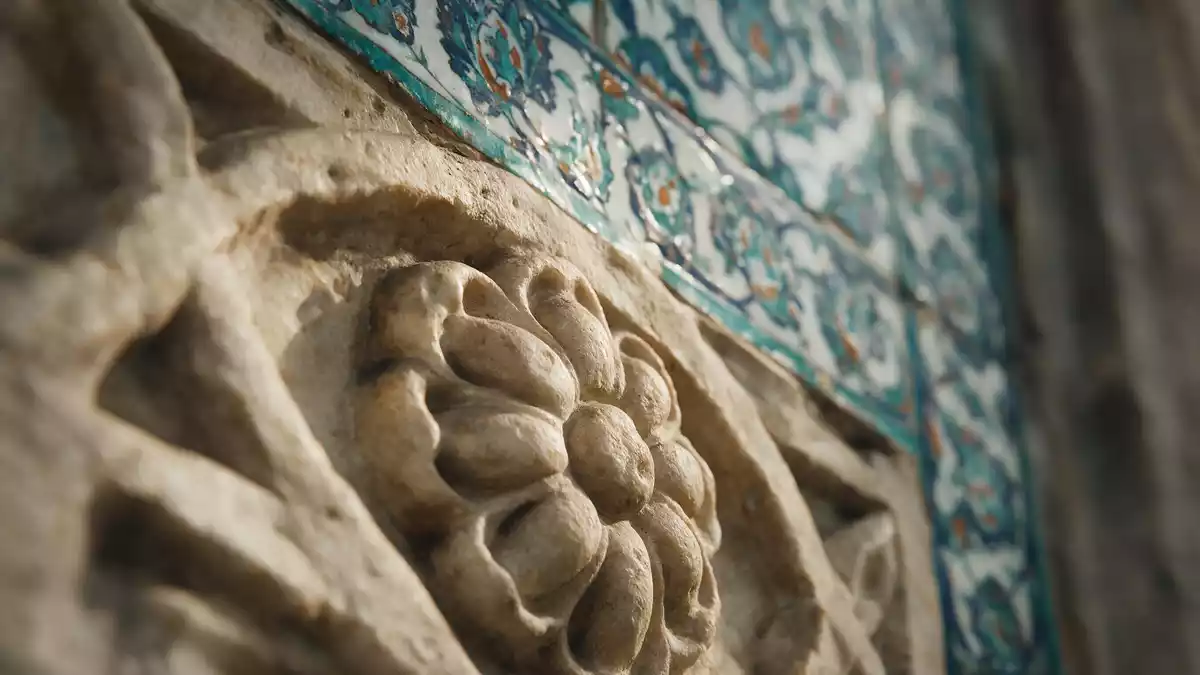
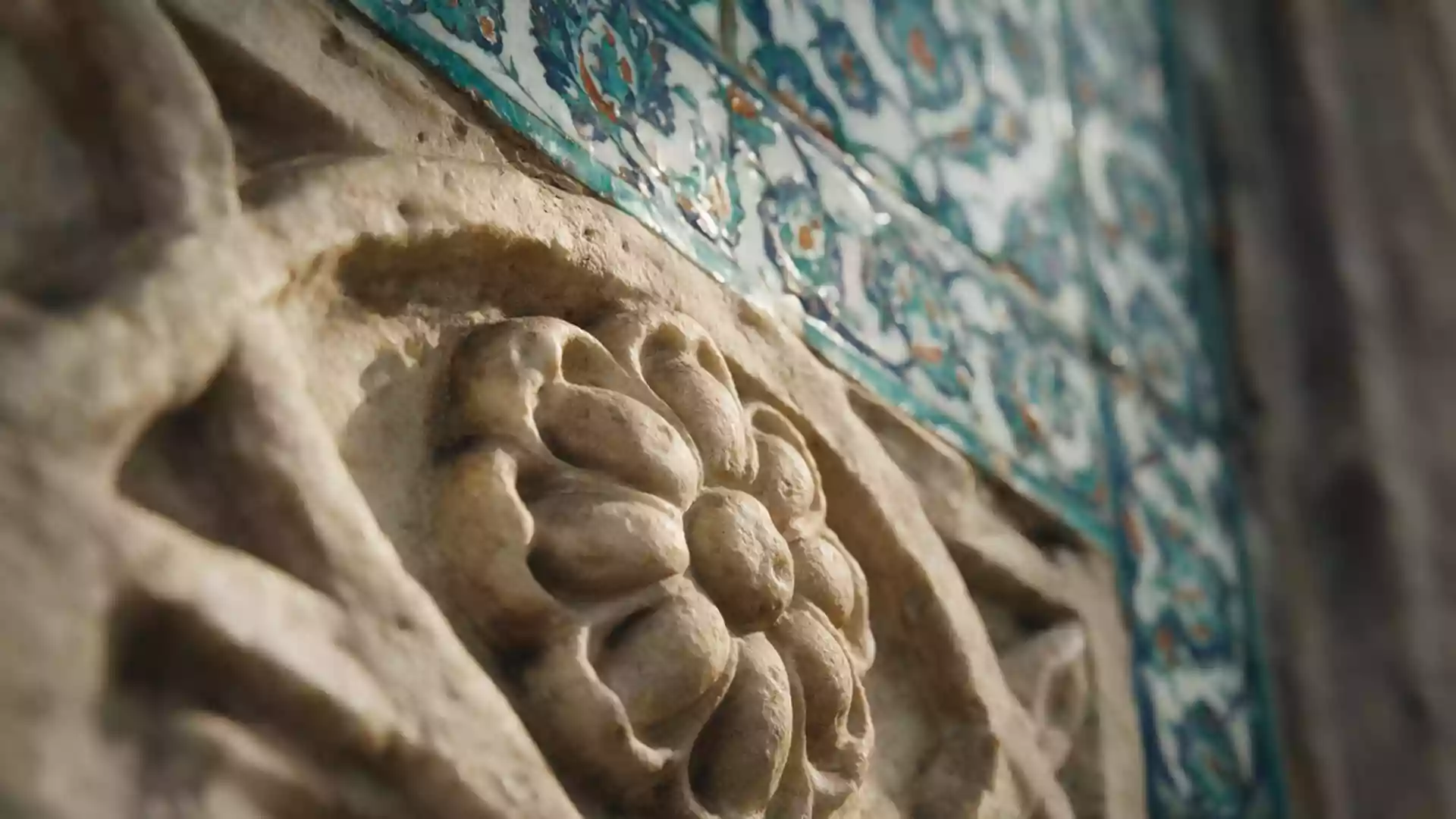
Kapalicarsi is Istanbul’s covered bazaar, a dense market complex built around Ottoman bedestens and vaulted streets. Its oldest core belongs to the reign of Mehmed II, and the place still reads as a layered commercial quarter in the historic peninsula. Ottoman bedestens and Mehmed II
Mehmed II and the bazaar core
The bazaar began with two masonry bedestens, the secure vaulted halls at the heart of Ottoman trade. The oldest nucleus is linked to Mehmed II and to the fifteenth century, when the market began to take shape in the city after the conquest.
That early core remains legible in the arrangement of heavy walls, domed roofing and narrow commercial passages. The market later spread into a wider fabric of covered streets, shops and passages that give Kapalicarsi its dense urban character. fifteenth-century market
A market of vaults, streets and stone
Kapalicarsi is not a single hall but a linked sequence of built spaces. Stone vaults, domed roofs and long lanes produce a tight interior fabric that differs from the open squares and broad avenues of central Istanbul.
The place belongs to the commercial tradition of the old peninsula, where trade, craft and storage came together under one roof. Its architecture preserves the logic of a market that grew by addition, with streets and halls accumulated over generations. vaulted commercial streets
Kapalicarsi after the Ottoman era
The bazaar outlasted the political world that formed it and remained central to Istanbul’s urban life. Its long use has left a complex interior of named passages, market buildings and layered repairs.
What survives is a working commercial landscape rather than a museum-like shell. The mix of enclosed streets, masonry structures and continuous retail use gives the place its present form. present form
Visiting Kapalicarsi: what travellers from Western Europe should know
- Kapalicarsi lies in the Fatih district of Istanbul, between the Nuruosmaniye and Bayezid mosque areas on the historic peninsula.
- The market is a covered interior with narrow streets, masonry halls and multiple entrances. The built fabric feels more like a small district than a single monument.
- English is not an official language. The official language is Turkish and the currency is the Turkish lira.
- For travellers outside the UK, Ireland and the EU, entry requirements depend on your nationality; UK travellers can check the FCDO travel advice at gov.uk/foreign-travel-advice, Irish travellers the Department of Foreign Affairs at ireland.ie.
Searching for Kapalicarsi on social platforms
These links open searches for Kapalicarsi on each platform.
Frequently asked questions about Kapalicarsi
Where is Kapalicarsi?
Kapalicarsi is in Istanbul’s Fatih district on the historic peninsula. It sits among the city’s old commercial streets and mosque precincts.
What does a visit feel like?
The place is a covered market made of vaults, halls and narrow lanes. It reads as an enclosed urban quarter rather than a single room or gallery.
What makes it distinctive?
Kapalicarsi combines an Ottoman core with a later spread of streets and shops. The result is a market built from stone, roofs and passageways that still carries the scale of a historic trade centre.