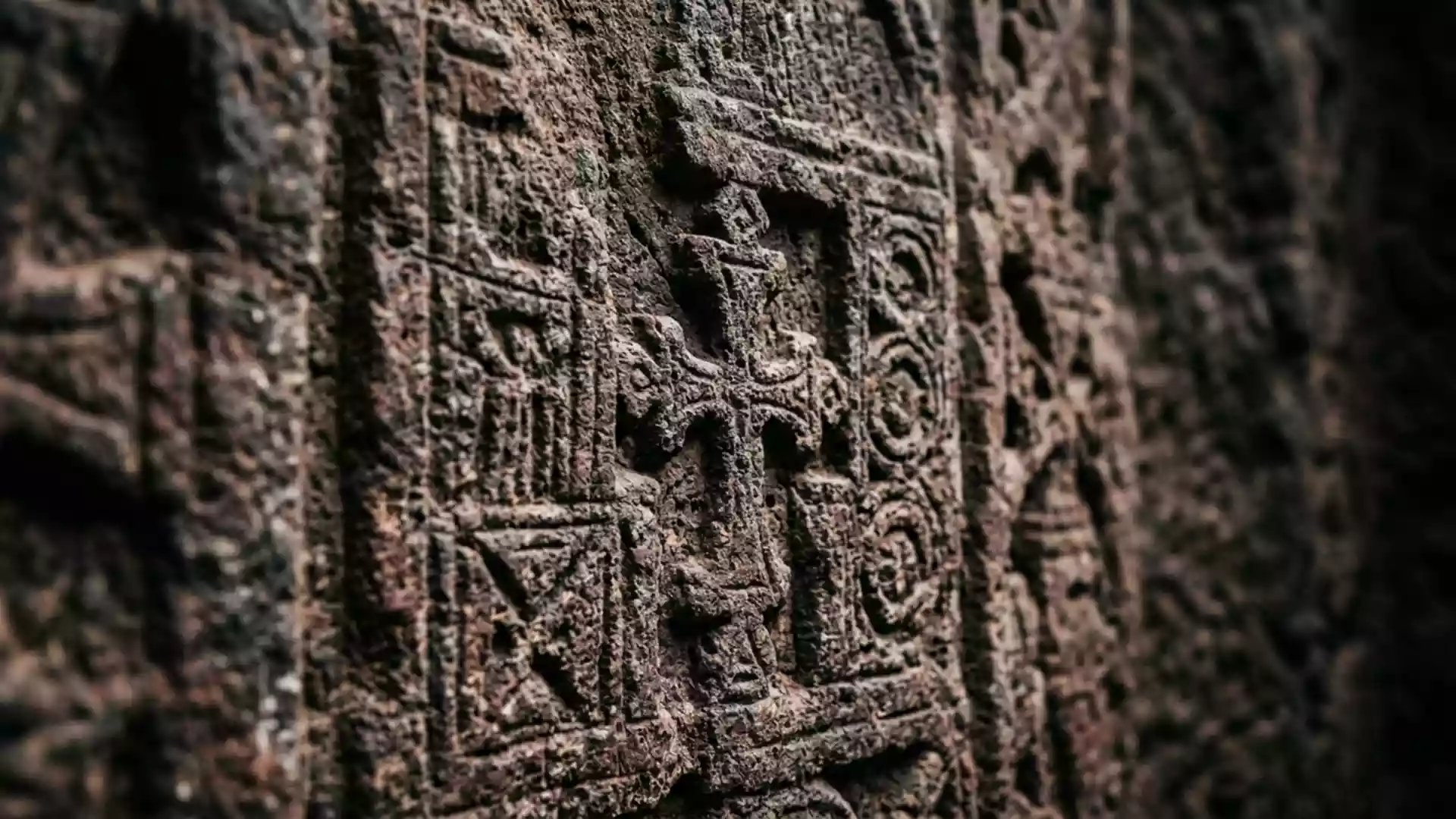
Lalibela’s rock-hewn churches carved deep into Ethiopian highland rock
Published on 09/02/2026 at 18:07 | Editorial responsibility: Rafael Müller, Editor-in-Chief AD HOC NEWS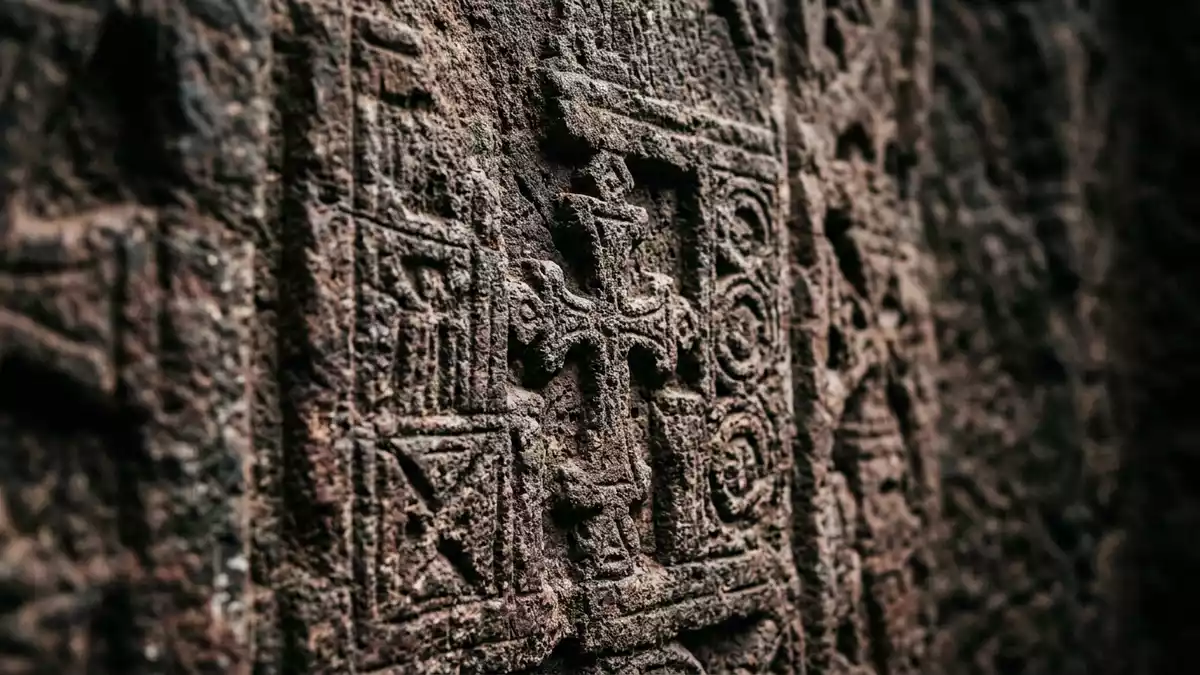
Lalibela in northern Ethiopia is a highland town where an entire complex of medieval churches was carved directly into solid volcanic rock. Conceived in the Ethiopian highlands during the Zagwe dynasty in the twelfth and thirteenth centuries, the rock-hewn churches form a concentrated sacred landscape that still serves Ethiopian Orthodox worship.
Rock-hewn “New Jerusalem” in the Ethiopian highlands
The rock-hewn churches of Lalibela stand in the Amhara Region of northern Ethiopia, surrounded by upland terrain and traditional round houses known as tukuls.Lalibela is located in the Ethiopian highlands The complex centres on eleven churches cut from a mass of reddish volcanic rock, shaped from top to bottom so that each structure emerges from the earth as a freestanding block.
The site is strongly associated with King Gebre Meskel Lalibela of the Zagwe dynasty, whose reign in the late twelfth and early thirteenth centuries anchors the main phase of construction.A monumental building campaign under King Lalibela The churches are commonly described as a “New Jerusalem”, reflecting the medieval ambition to create a sacred topography in stone that echoed the holy city for Ethiopian Christians.
Eleven churches, one rock: how the complex fits together
The eleven churches at Lalibela are carved directly from the living volcanic rock, forming monolithic structures whose walls, roofs, pillars and interiors remain attached to the original bedrock.The churches are cut into solid volcanic rock Instead of rising as masonry above ground, each church was defined by removing rock around and within it, leaving a sculpted mass that visitors now enter via trenches and passages.
The main groupings are conventionally divided by a channel called the River Yordannos, with clusters to its north and south and the church of Biete Giyorgis standing slightly apart.The complex is grouped around the River Yordannos Narrow corridors, sunken courtyards and hand-cut tunnels link the churches, so moving between them means navigating rock-cut paths as much as entering enclosed interiors.
Spiritual centre and World Heritage site
Lalibela is one of the principal centres of Ethiopian Orthodox Christianity, and its rock-hewn churches remain places of active worship for local clergy and pilgrims.Lalibela functions as a major pilgrimage site Services, processions and devotional practices animate the courtyards and interiors, so visitors encounter a lived religious environment rather than a static monument.
The rock-hewn churches were inscribed as a UNESCO World Heritage Site in 1978 for their cultural significance and architectural achievement.The churches were added to the UNESCO World Heritage List in 1978 Their recognition emphasises both the medieval engineering that shaped entire churches from a single rock mass and the continuity of liturgical use across many centuries.
Visiting Lalibela: what travellers from Western Europe should know
- Lalibela lies in northern Ethiopia’s Amhara Region, north of Addis Ababa, and is reached by domestic flights and overland routes linking the town with other highland centres.
- The churches sit in a rocky highland landscape at notable altitude; access involves descending and climbing rock-cut steps and following uneven sunken paths between the church courtyards.
- The official language is Amharic and the currency is the Ethiopian birr. Entry requirements depend on your nationality; UK travellers can check the FCDO travel advice at gov.uk/foreign-travel-advice, Irish travellers the Department of Foreign Affairs at ireland.ie.
Searching for Lalibela on social platforms
These links open searches for Lalibela on each platform.
Frequently asked questions about Lalibela
Where is Lalibela and what is it known for?
Lalibela is a highland town in northern Ethiopia known for its complex of eleven medieval rock-hewn churches carved from solid volcanic rock.
What can visitors expect when exploring the churches?
Visitors move through sunken walkways, rock-cut steps and enclosed courtyards, entering monolithic churches where Ethiopian Orthodox worship continues.
Why are the rock-hewn churches of Lalibela significant?
The churches date to the Zagwe dynasty in the twelfth and thirteenth centuries, form a symbolic “New Jerusalem” and have been recognised as a UNESCO World Heritage Site since 1978.