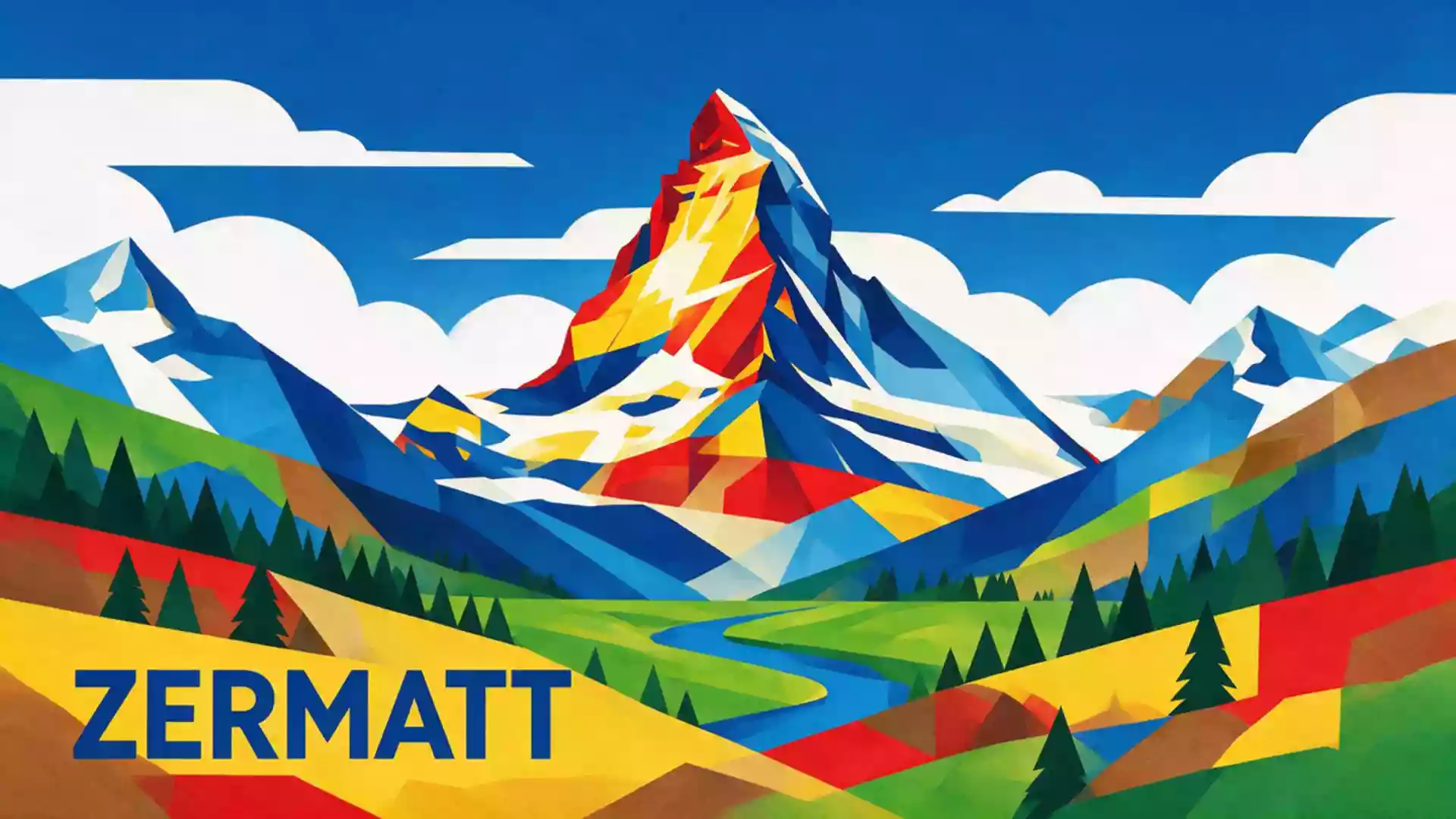
Matterhorn joins geological heritage list on 5 November
Published on 11/07/2026 at 10:56 | Editorial responsibility: Rafael Müller, Editor-in-Chief AD HOC NEWSRecognition and geology
- Swiss Academy of Sciences announced the Matterhorn listing on 5 November 2026.
- The IUGS register now contains 300 geological heritage sites, including three from Switzerland.
- The 4,478-metre mountain contains rock fragments linked to Africa and the former European continental margin.
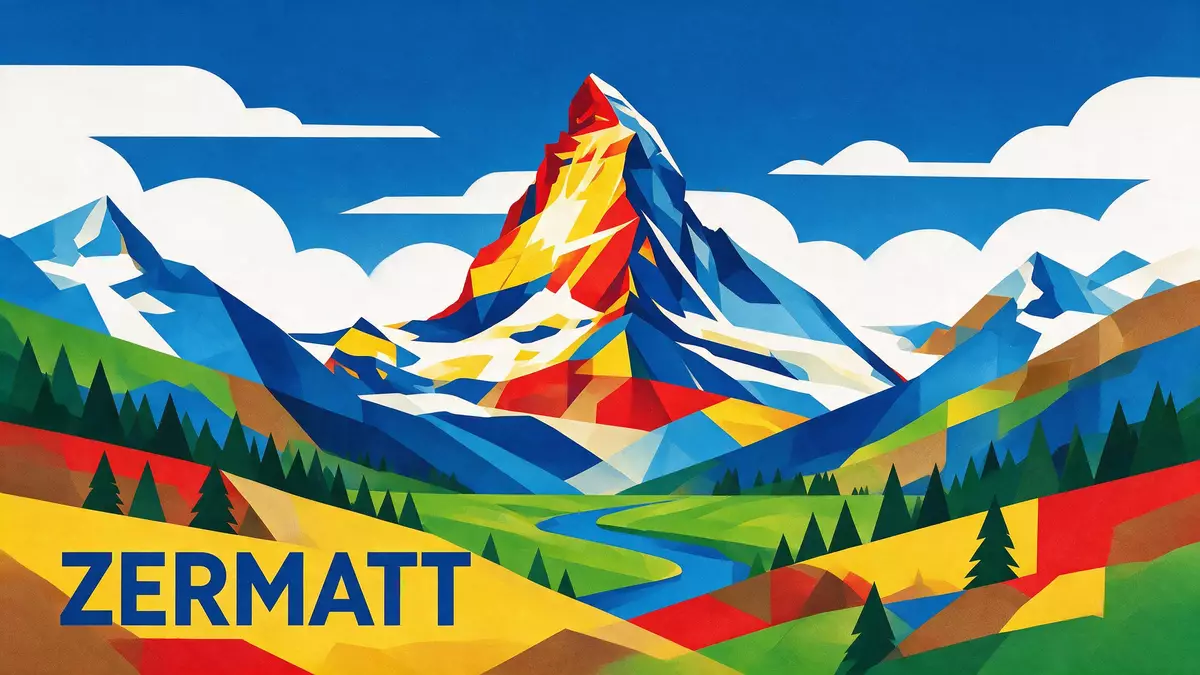
The Matterhorn joined the IUGS Geological Heritage Sites list on 5 November 2026, giving the mountain above Zermatt a new international recognition for its geology. The Swiss Academy of Sciences announced the addition, which places the Swiss landmark among sites considered important for understanding the Earth and its history.
The IUGS listing gives the Matterhorn a new geological status
The listing is part of the third group of 100 sites added to the register of the International Union of Geological Sciences. The IUGS announced the new group on 6 November 2026 after a geoheritage event in Loule, Portugal, where 156 experts from 49 countries met.
The register now contains 300 sites. It recognises geological features, processes and discoveries with outstanding scientific value, rather than conferring UNESCO World Heritage status. The Swiss Geoheritage Commission of the Swiss Academy of Sciences submitted the application for the Matterhorn, making the 5 November 2026 addition a change in the mountain’s international scientific profile. the 5 November listing was reported with the announcement from the Swiss Academy of Sciences, while the IUGS announcement describes the purpose and scale of the new group.
Why Zermatt’s mountain matters to geological research
The mountain rises to 4,478 metres above sea level and towers over Zermatt in the Swiss canton of Valais. Its recognisable pyramid shape was sculpted by the glaciers that surrounded it, but its scientific interest also lies inside the rock.
Geologists identify fragments of the Earth’s crust that once lay several hundred kilometres apart. Some fragments belonged to the African continent, while others formed part of the former European continental margin. The mountain therefore connects a familiar Alpine view with evidence of very different geological origins.
That relationship between appearance and structure gives the new listing a direct link to the place itself. Visitors see the glacially shaped profile from Zermatt, while the designation records the deeper geological story carried by the mountain’s rocks.
Visiting Matterhorn: what travellers from Western Europe should know
- The relevant change took effect on 5 November 2026, when the Matterhorn joined the IUGS Geological Heritage Sites list.
- The listing recognises geological importance and does not announce a new entrance, trail, opening area or visitor facility.
- The mountain stands above Zermatt in Valais, Switzerland, and reaches 4,478 metres, so views of the peak and any approach to high ground involve Alpine terrain.
- Entry requirements depend on your nationality; UK travellers can check the FCDO travel advice at gov.uk/foreign-travel-advice, Irish travellers the Department of Foreign Affairs at ireland.ie.
The listing adds scientific context to a landscape that visitors already encounter around Zermatt, without changing the mountain into a museum or a newly opened attraction.
Searching for Matterhorn on social platforms
These links open searches for Matterhorn on each platform.
Frequently asked questions about Matterhorn
When did Matterhorn join the IUGS list?
The Matterhorn joined the IUGS Geological Heritage Sites list on 5 November 2026. The IUGS announced the third group of 100 sites on 6 November 2026.
What does the listing recognise at Matterhorn?
It recognises the mountain’s geological features, processes and scientific value, including its glacial form and rock fragments from different continental origins.
Where is Matterhorn and how do you get there?
The mountain rises above Zermatt in Valais, Switzerland. The verified announcement identifies Zermatt as the reference town but does not specify a transport route.