Mosque of Muhammad Ali and its white domes above Kairo
Published on 08/07/2026 at 15:07 | Editorial responsibility: Rafael Müller, Editor-in-Chief AD HOC NEWS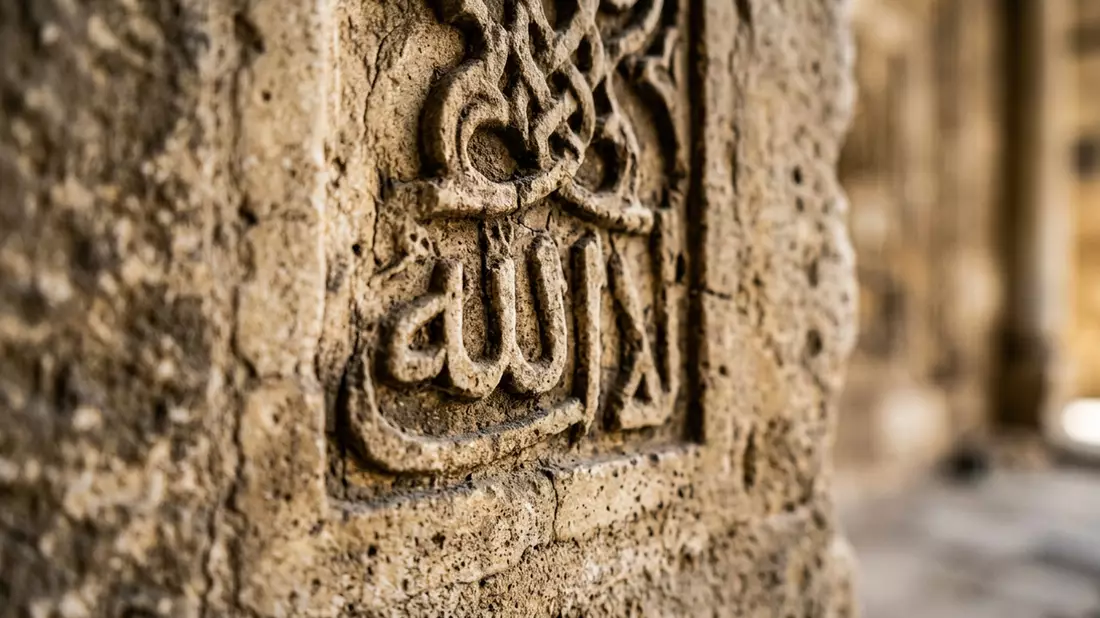
Mosque of Muhammad Ali crowns the Citadel of Kairo with pale stone walls, domes, and slender minarets that dominate the skyline. Commissioned by Muhammad Ali Pasha and completed in 1848, it is one of the city’s most recognisable Ottoman-era monuments.
Alabaster walls and Ottoman domes at the Citadel
The exterior is faced with light-coloured stone, often referred to as alabaster, which gives the mosque its bright surface against the fortified hill. Two tall minarets flank the prayer hall, and the central dome rises above smaller surrounding domes in a compact, symmetrical mass.
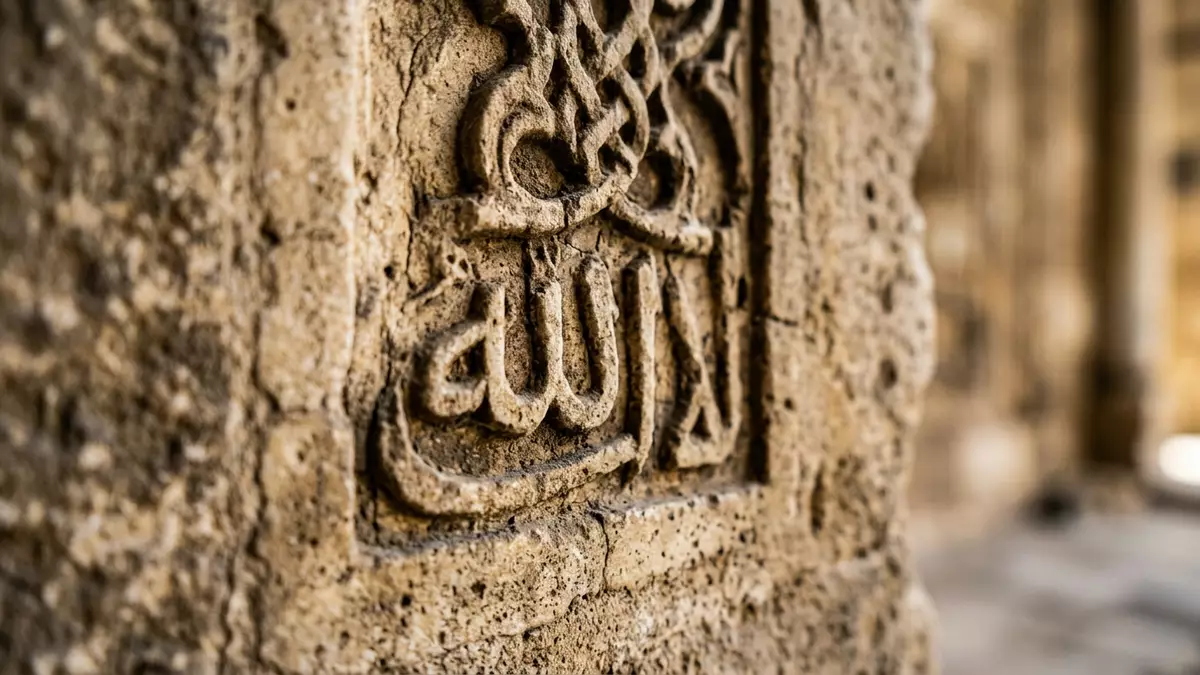
Inside, the prayer hall is lined with decorative surfaces, chandeliers, and a large central dome carried on pendentives. The overall effect is formal and restrained, with repeated arches, inscriptions, and patterned ornament across the interior walls.
Muhammad Ali Pasha’s mosque and tomb
Muhammad Ali Pasha, the Ottoman ruler of Egypt, had the mosque erected in the nineteenth century as part of his citadel complex. His tomb occupies a prominent position inside the mosque, linking the building to the dynasty that followed his rule.
The mosque belongs to a period when Kairo absorbed new imperial and architectural ideas from Istanbul while remaining anchored in its own older urban landscape. That mixture is visible in the dome-and-minaret profile and in the disciplined geometry of the prayer space.
A landmark above the rooftops of Kairo
The mosque stands on elevated ground within the Citadel, so its silhouette is visible from many parts of the city. Seen from below, the pale stone, the domes, and the minarets create a strong contrast with the dense urban fabric around the hill.
For many visitors, the building is part monument, part viewpoint, and part working religious site. The setting adds a practical dimension to the visit, but the mosque itself remains the main attraction, with its interior scale and the tomb of Muhammad Ali drawing attention.
Visiting Mosque of Muhammad Ali: what travellers from Western Europe should know
- The mosque is on the Citadel of Kairo, reached by road through the city centre and then on foot within the citadel grounds.
- Admission arrangements and opening hours are set by the site's operator and change with the season; the official website is the only binding source.
- Late afternoon can give softer light on the stone surfaces, while cooler months make the uphill visit easier to handle.
- The citadel setting involves slopes, steps, and uneven paving, so sturdy footwear is sensible.
- Arabic is the main language on site, and small purchases are often handled in cash.
- Entry requirements depend on your nationality. UK travellers should check the FCDO travel advice at gov.uk/foreign-travel-advice; Irish travellers the Department of Foreign Affairs at ireland.ie; EU and EEA citizens their own national foreign ministry.
Searching for Mosque of Muhammad Ali on social platforms
These links open searches for Mosque of Muhammad Ali on each platform.
Frequently asked questions about Mosque of Muhammad Ali
Where is Mosque of Muhammad Ali?
It stands inside the Citadel of Kairo, on elevated ground above the city. The mosque is part of one of the best-known historic complexes in the capital of Agypten.
What should a visitor expect?
Expect a hilltop mosque with a grand prayer hall, a tomb for Muhammad Ali Pasha, and broad city views from the citadel setting. The approach involves steps and uneven surfaces.
What makes it distinctive?
Its pale stone exterior, Ottoman composition, and prominent position above Kairo make it instantly recognisable. The mosque also carries the name and burial place of Muhammad Ali Pasha.