Palenque and its limestone temples in the jungle
Published on 08/09/2026 at 15:05 | Editorial responsibility: Rafael Müller, Editor-in-Chief AD HOC NEWS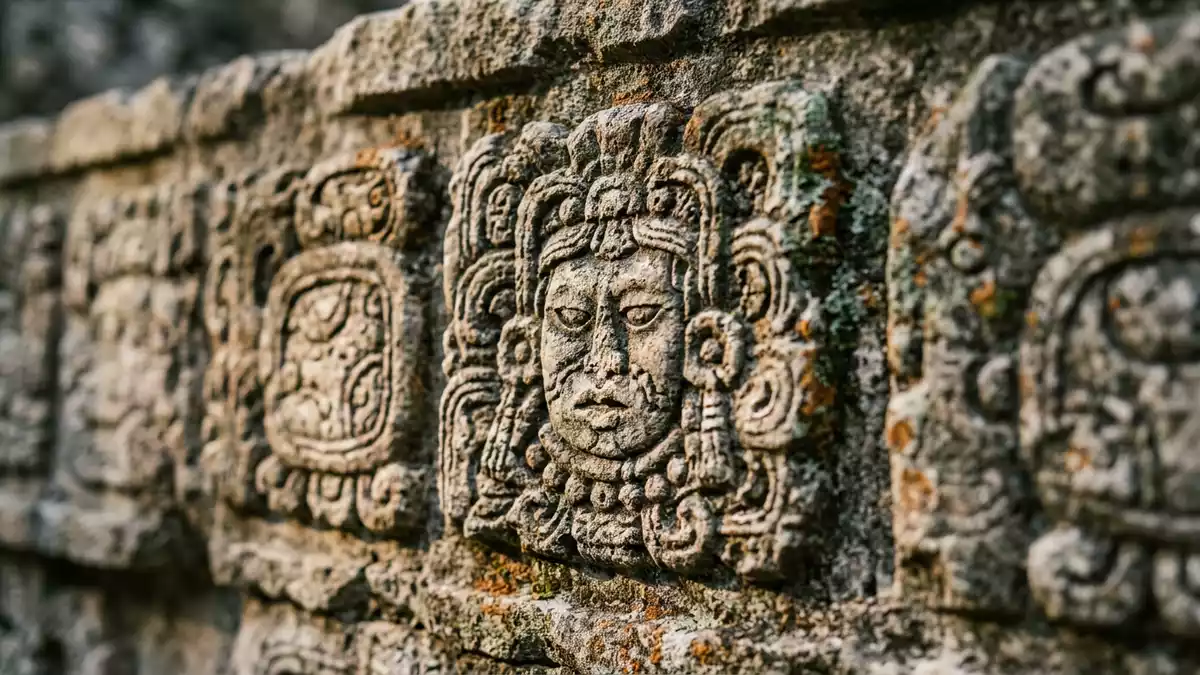
Palenque is a Classic Maya city in Chiapas, Mexico, known for limestone temples, carved inscriptions and a setting within the lowland forest. The site’s most striking feature is the way its stone buildings rise from dense greenery rather than from an open plaza.
Palenque’s temples and inscriptions
The city flourished in the Classic period, especially in the seventh century, under rulers such as K'inich Janaab' Pakal and his son K'inich Kan B'alam II. Their names survive on monuments that make Palenque one of the key places for Maya history and writing.
The Temple of the Inscriptions is the best-known monument, with a stepped pyramid and a long hieroglyphic text. Nearby stands the Palace, a complex of courtyards, passages and a tower, where stone reliefs and vaulted rooms give the site a layered character.
Stone, vaults and raised platforms
Palenque is built mainly of limestone, shaped into stairways, platforms and temples with slender proportions. Many of the buildings use the corbelled vault, a hallmark of Maya architecture that creates narrow interior chambers and strong rooflines.
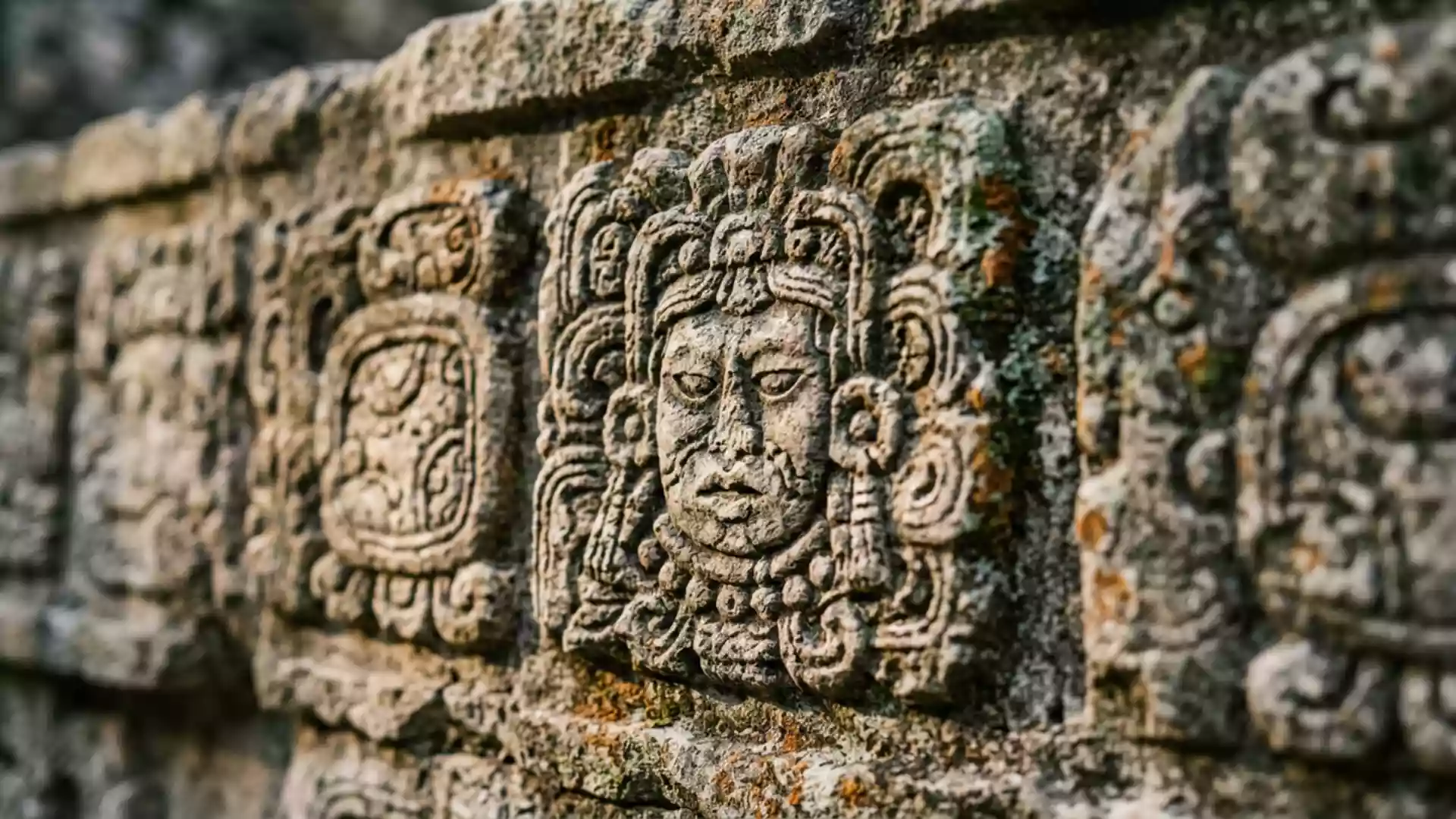
The carvings are as important as the architecture. Human figures, bands of text and ritual scenes appear across lintels and panels, giving the buildings both structural and narrative weight.
Jungle setting and ceremonial layout
The site lies at the edge of forested hills, and vegetation frames the temples from many directions. Watercourses, terraces and enclosed courts give the ruins a varied landscape rather than a single monumental axis.
That combination of city, forest and carved stone is what makes Palenque memorable. It is a place where architecture, sculpture and setting remain tightly linked, even after centuries of weathering.
Visiting Palenque: what travellers from Western Europe should know
- It is reached from the town of Palenque in Chiapas, Mexico, by road.
- Admission arrangements and opening hours are set by the site's operator and change with the season; the official website is the only binding source.
- The drier months are usually the easier time for walking among the ruins, while the forest looks particularly dense in the wetter season.
- The site includes uneven stone steps, raised platforms and stretches of walking on rough ground.
- Spanish is the main language in the area, and cash is useful for small purchases near the site.
- Entry requirements depend on your nationality. UK travellers should check the FCDO travel advice at gov.uk/foreign-travel-advice; Irish travellers the Department of Foreign Affairs at ireland.ie; EU and EEA citizens their own national foreign ministry.
Searching for Palenque on social platforms
These links open searches for Palenque on each platform.
Frequently asked questions about Palenque
Where is Palenque?
Palenque is an ancient Maya site in Chiapas, southern Mexico, close to the town that shares its name. It sits within a forested landscape near the foothills of the Sierra Madre.
What should visitors expect?
Expect stone temples, carved inscriptions, stepped platforms and a fair amount of walking on uneven ground. The setting is wooded, and the buildings are spread across a broad archaeological zone.
What makes Palenque distinctive?
Its combination of refined architecture, hieroglyphic texts and dense forest setting sets it apart. The temple façades and the Palace give the site a strong visual identity that remains easy to recognise.