Paseo de la Reforma, Mexico City’s diagonal boulevard of monuments
Published on 08/30/2026 at 14:49 | Editorial responsibility: Rafael Müller, Editor-in-Chief AD HOC NEWS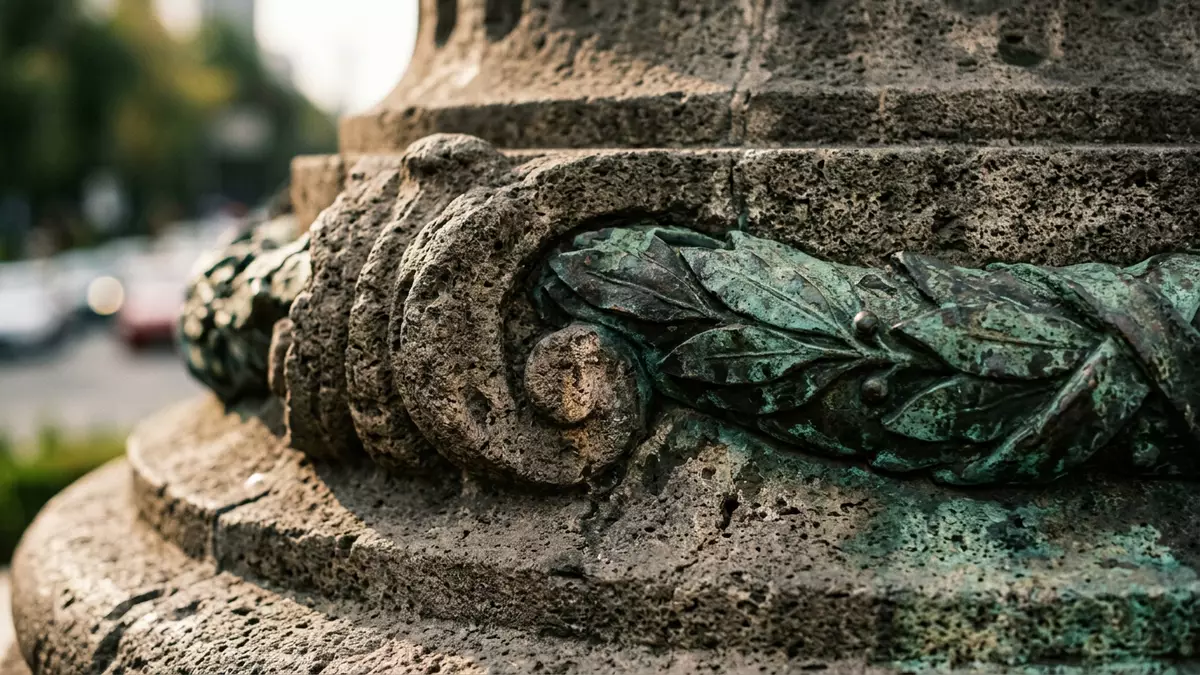
Paseo de la Reforma is Mexico City’s grand diagonal boulevard, a wide avenue laid out in the nineteenth century that links the historic centre with Chapultepec Park and carries much of the city’s political and financial life along its length.
From imperial promenade to republican avenue
The story of Paseo de la Reforma begins in the 1860s, in the short-lived Second Mexican Empire under Emperor Maximilian I of Mexico.Second Mexican Empire Inspired by grand European boulevards such as the Ringstrasse in Vienna and the Champs-Élysées in Paris, Maximilian ordered a tree-lined avenue that would connect the National Palace in the colonial core with Chapultepec Castle, his imperial residence on a wooded hill to the west.route from Chapultepec Castle to the National Palace The boulevard was originally named Paseo de la Emperatriz, the Promenade of the Empress, in honour of Empress Carlota.
After Maximilian’s execution in 1867 and the restoration of the republic, the avenue was renamed Paseo de la Reforma in reference to the liberal Reform laws of the mid-nineteenth century associated with President Benito Juárez.renamed Paseo de la Reforma Later in the nineteenth century President Sebastián Lerdo de Tejada widened the road, opened it fully to the public and planted double rows of trees, transforming the imperial route into a generous promenade that reflected the Paris-facing tastes of Mexico’s elites.widened and opened to the public Under President Porfirio Díaz, who dominated Mexican politics from the late 1870s into the early twentieth century, Paseo de la Reforma became a showcase for national ambition, lined with mansions, monuments and public buildings that blended European historicist styles with local references.
A diagonal spine of monuments and towers
Paseo de la Reforma runs diagonally across central Mexico City for around 15 km (about 9.3 miles), from the vicinity of the Historic Centre towards the western edge of Chapultepec Park.15-kilometer avenue Its central stretch between the old downtown and Chapultepec is the section most recognised by visitors, with broad carriageways, a central median and a series of glorietas, the circular roundabouts that organise traffic and provide stages for major monuments.glorietas anchoring major monuments Trees, benches and wide pavements trace the axis, and modern glass-and-steel towers rise beside early twentieth-century facades.
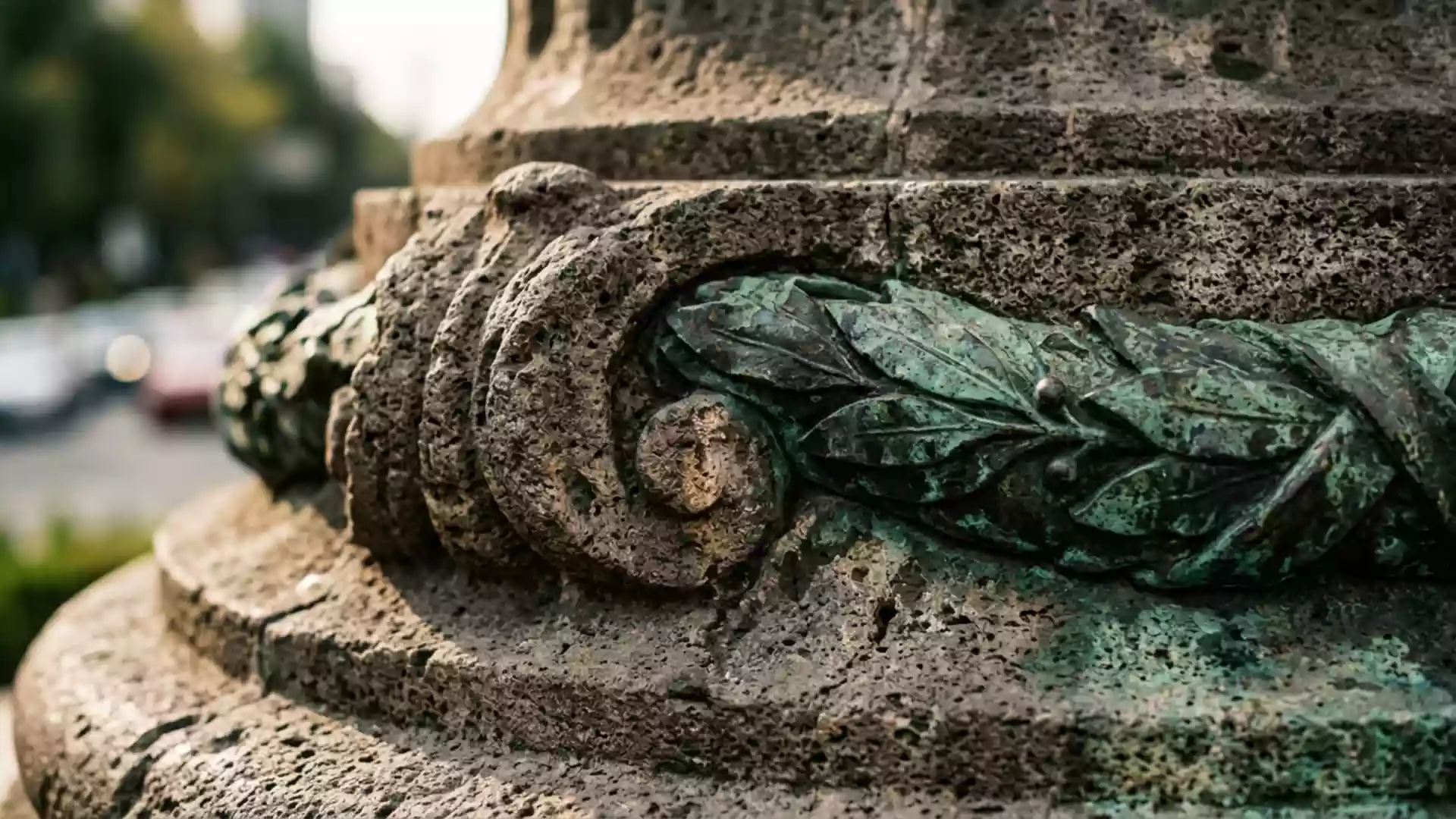
The most prominent roundabout is occupied by the Ángel de la Independencia, a victory column topped by a gilded winged figure that has become a recognised symbol of Mexico City.Ángel de la Independencia The monument was inaugurated in 1910 during the long presidency of Porfirio Díaz to mark the centenary of Mexico’s declaration of independence from Spain and was designed by architect Antonio Rivas Mercado.Angel inaugurated in 1910 Other glorietas carry statues and sculptural ensembles dedicated to figures such as Cuauhtémoc, the last Aztec emperor, whose monument stands on an ornate pedestal decorated with carved jaguars and warriors, and Christopher Columbus, reflecting the layering of pre-Hispanic, colonial and republican narratives along the avenue.statue of Cuauhtémoc
Architecture along the Reforma corridor
Walking along Paseo de la Reforma reveals successive waves of architecture, each tied to a particular moment in Mexican urban history. Early mansions and public buildings from the Porfirian era adopt French-inspired neoclassical and eclectic styles, asserting Mexico City’s late nineteenth-century aspirations. The National Lottery Building, an Art Deco skyscraper known as Edificio El Moro, introduced engineering innovations such as a floating foundation designed to cope with the city’s soft ground and seismic risk.National Lottery Building Post-revolutionary modernisation brought international-style office blocks in the mid-twentieth century, while late twentieth-century development added glass towers like Torre Mayor.
In the twenty-first century, the Reforma corridor has continued to densify with skyscrapers such as Torre Reforma, which rises among banks, hotels and corporate headquarters.Torre Reforma the city’s tallest building Newer monuments include the Estela de Luz, a slender vertical structure of translucent stone and steel erected to mark the bicentennial of Mexican independence and the centennial of the Mexican Revolution.Estela de Luz bicentennial monument Embassies, museums and cultural institutions occupy plots along the avenue, and the boulevard functions both as a ceremonial axis for civic events and as a daily thoroughfare for traffic between the historic core, the financial district and the western districts around Chapultepec.
Visiting Paseo de la Reforma: what travellers from Western Europe should know
- Paseo de la Reforma runs diagonally across Mexiko-Stadt between the Historic Centre and Chapultepec Park, and is readily reached by public transport that serves central Mexico City.
- The avenue itself is level and laid out with broad pavements, but crossings between its carriageways require using junctions and pedestrian islands where traffic flows around the glorietas.
- Chapultepec Park lies at the western end of the main stretch of Paseo de la Reforma, providing access from the boulevard into extensive green space and the hill crowned by Chapultepec Castle.
- The official language is Spanish and the currency is the Mexican peso.
- Entry requirements depend on your nationality; UK travellers can check the FCDO travel advice at gov.uk/foreign-travel-advice, Irish travellers the Department of Foreign Affairs at ireland.ie.
Searching for Paseo de la Reforma on social platforms
These links open searches for Paseo de la Reforma on each platform.
Frequently asked questions about Paseo de la Reforma
Where is Paseo de la Reforma in Mexiko-Stadt?
Paseo de la Reforma runs diagonally across central Mexiko-Stadt, connecting the Historic Centre with the western districts around Chapultepec Park.
What should visitors expect on a walk along Paseo de la Reforma?
A walk along Paseo de la Reforma passes monuments, embassies, museums, historic buildings and modern glass towers arranged around broad lanes and glorietas.
What makes Paseo de la Reforma distinctive among Mexico City’s streets?
Paseo de la Reforma is distinctive for its diagonal layout, nineteenth-century origin under Emperor Maximilian and dense sequence of monuments such as the Ángel de la Independencia.