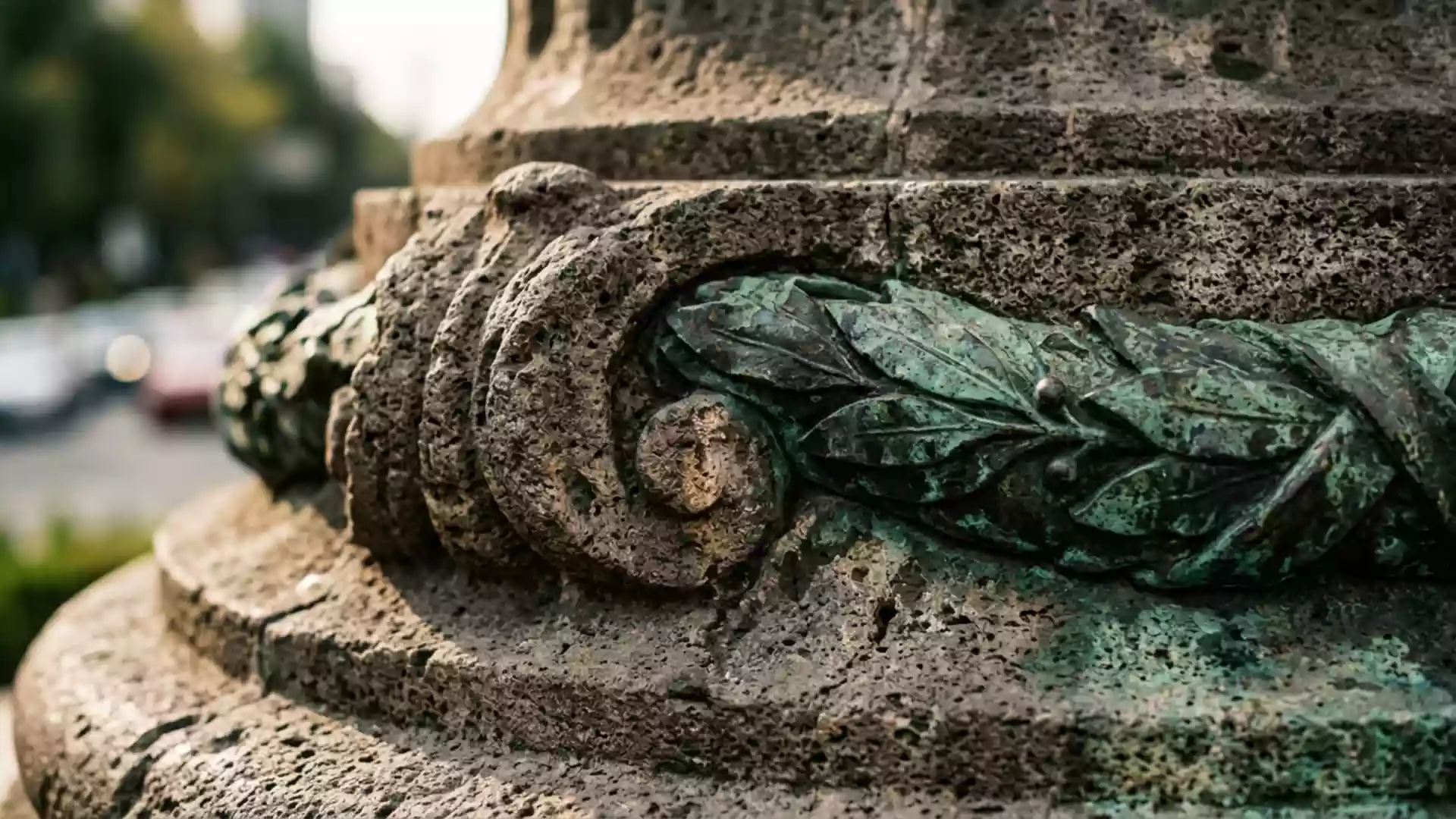
Paseo de la Reforma, the grand diagonal of Mexiko-Stadt
Published on 09/02/2026 at 22:32 | Editorial responsibility: Rafael Müller, Editor-in-Chief AD HOC NEWS
Paseo de la Reforma is a wide, diagonal avenue that slices across Mexiko-Stadt, linking the historic centre with Chapultepec and tracing more than a century and a half of Mexican history in stone, bronze and glass.wide avenue
An imperial boulevard turned republican symbol
The story of Paseo de la Reforma begins in the nineteenth century with Emperor Maximilian I, installed during the Second Mexican Empire and resident at Chapultepec Castle overlooking the city.Emperor Maximilian I He ordered the construction of a grand boulevard to connect his residence at Chapultepec with the National Palace in the city centre, modelled on European thoroughfares such as the Champs-Élysées in Paris and the Ringstraße in Vienna.modelled on European boulevards
Construction of the avenue began in the mid?1860s, and it was originally named Paseo de la Emperatriz in honour of Empress Carlota.Paseo de la Emperatriz After Maximilian’s execution and the end of the empire, President Benito Juárez and the Restored Republic renamed it Paseo de la Reforma, tying the boulevard to the liberal Reform movement that reshaped Mexico in the later nineteenth century.renamed Paseo de la Reforma
Monuments along the diagonal
Paseo de la Reforma is punctuated by a sequence of glorietas, circular junctions that carry major monuments and mark stages in Mexican history.glorietas on the avenue One of the most recognisable is the Ángel de la Independencia, officially the Monumento a la Independencia, a victory column with a gilded winged figure rising above the traffic at a central roundabout on the avenue.Ángel de la Independencia
The Ángel de la Independencia was inaugurated on 16 September 1910 under President Porfirio Díaz to mark the centenary of the beginning of Mexico’s War of Independence from Spain.inaugurated in 1910 Beneath the monument, a mausoleum holds the remains of several independence figures, including Miguel Hidalgo y Costilla and José María Morelos, reinforcing Paseo de la Reforma’s role as a ceremonial route as well as a traffic artery.mausoleum of independence heroes
From Art Deco towers to glass skyscrapers
Beyond imperial and independence monuments, Paseo de la Reforma became a showcase for twentieth?century architecture as Mexiko-Stadt expanded and modernised. On the eastern stretch towards the historic centre stands the Art Deco Edificio El Moro, headquarters of the national lottery, inaugurated in 1945 and once the tallest building in the city.Edificio El Moro Its vertical strip of windows and stepped profile contrast with the later glass and steel towers further west.
Later decades brought international?style office buildings and landmark towers, turning parts of Paseo de la Reforma into a financial corridor lined with high?rise headquarters.international-style office buildings Among these is the Mexican Stock Exchange building with its reflective façade, located near the monument zone and adding a corporate edge to the avenue’s sequence of statues and fountains.Mexican Stock Exchange building
Visiting Paseo de la Reforma: what travellers from Western Europe should know
- Paseo de la Reforma runs diagonally across Mexiko-Stadt between the Centro Histórico and the Bosque de Chapultepec, and it is followed by major bus routes and city avenues.
- The avenue is broad and multi?lane, with long stretches of pavement, pedestrian crossings at the glorietas and sections that require careful navigation across busy junctions on foot.
- Several monuments lie close together along the central stretch, including the Ángel de la Independencia and Diana the Huntress fountain, meaning a visit often involves repeated crossings of the central carriageways.
- Chapultepec Park borders the western end of Paseo de la Reforma, so walking the avenue can be combined with time in forested parkland and visits to museums such as the National Museum of Anthropology nearby.
- The official language is Spanish and the currency is the Mexican peso; entry requirements depend on your nationality, UK travellers can check the FCDO travel advice at gov.uk/foreign-travel-advice, Irish travellers the Department of Foreign Affairs at ireland.ie.
Searching for Paseo de la Reforma on social platforms
These links open searches for Paseo de la Reforma on each platform.
Frequently asked questions about Paseo de la Reforma
Where is Paseo de la Reforma in Mexiko-Stadt?
Paseo de la Reforma runs diagonally between the historic centre of Mexiko-Stadt and Chapultepec, crossing districts such as Juárez and passing major monuments and towers.
What can visitors expect along Paseo de la Reforma?
Visitors encounter roundabouts with statues and fountains, civic monuments like the Ángel de la Independencia and stretches lined with office towers, hotels and cultural institutions.
What makes Paseo de la Reforma distinctive among city avenues?
Its origin as an imperial boulevard, later renaming in honour of the Reform movement and dense sequence of monuments and varied architecture give the avenue a layered political and urban character.